Overview
Humanoid robotics is no longer a concept limited to science fiction. Today, humanoid robots are playing critical roles in industries ranging from healthcare to logistics. With advancements in artificial intelligence (AI), motion control, and hardware design, these robots are becoming smarter, more agile, and capable of performing tasks once thought impossible for machines.
The rapid evolution of humanoid robotics is driven by companies like Tesla with its Optimus robot, Boston Dynamics' Atlas, and startups like Figure AI. These innovations aim to create robots that not only mimic human form but also replicate human-like dexterity, perception, and decision-making. Let’s explore how this field is advancing and the impact it’s having on our world.
Technology Breakdown
Humanoid robots combine a variety of cutting-edge technologies to achieve their capabilities. Here’s a closer look at the core components:
1. AI-Powered Motion Control
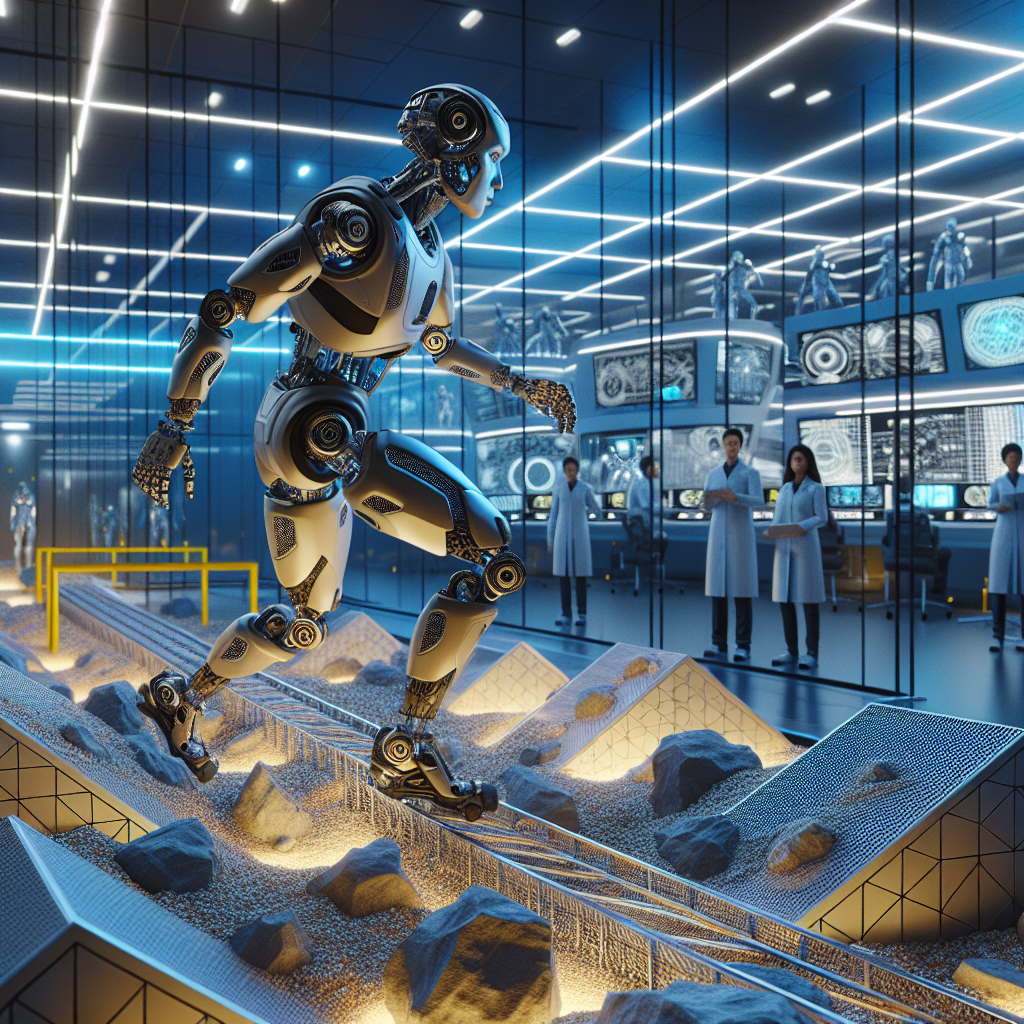
Modern humanoid robots use AI algorithms to process sensory data and control their movements. For example, Tesla’s Optimus uses neural networks to adapt its walking and grasping movements to different environments. AI enables robots to:
- Maintain balance on uneven surfaces
- Perform dynamic tasks like running or jumping
- Learn new skills through reinforcement learning
2. Advanced Sensors and Perception
Sensors such as LiDAR, cameras, and tactile feedback systems allow robots to "see" and "feel" their surroundings. Boston Dynamics’ Atlas robot, for instance, uses an array of sensors to analyze its environment and execute complex movements like backflips or parkour.
3. Human-Centric Design
Designing robots with human-like proportions helps them integrate seamlessly into environments built for people. For example:
- Tesla Optimus: Designed to work alongside humans in factories, performing repetitive tasks.
- Figure AI’s Humanoid: Focused on lightweight, ergonomic designs for collaborative workspaces.
4. Energy Efficiency
Battery life and energy consumption remain critical challenges. Companies are developing lightweight materials and more efficient actuators to extend operational time. For example, Unitree Robotics focuses on compact, energy-efficient designs for its robots.
Industry Impact
Humanoid robots are beginning to make waves across industries. Here’s how they’re making an impact:
1. Healthcare
Robots like SoftBank’s Pepper are used to assist patients and provide companionship. In surgical settings, humanoid robots are aiding doctors in precision tasks, such as minimally invasive surgeries.
2. Manufacturing and Logistics
Tesla Optimus aims to revolutionize factory operations by performing tasks like carrying heavy objects or assembling parts. Similarly, Boston Dynamics’ Stretch robot is designed to automate warehouse operations.
3. Service Sector
Humanoid robots are increasingly used in customer service roles. For instance, robots in airports or retail stores assist customers, answer queries, and provide directions.
4. Space Exploration
NASA is developing humanoid robots like Robonaut to assist astronauts in space missions. These robots can handle tools and perform maintenance tasks in zero-gravity environments, reducing risk for human crews.
Visual Highlights
Humanoid robots are as visually fascinating as they are technologically advanced. Here are some key visual elements that showcase their capabilities:
- Dynamic Movements: Watching robots like Atlas perform parkour demonstrates how far motion control has come.
- Collaborative Tasks: Seeing robots work side by side with humans highlights their potential in shared environments.
- Human-Like Features: Robots with expressive faces and natural gestures can evoke empathy and enhance interaction.
Conclusion
The field of humanoid robotics is advancing at an unprecedented pace, with innovations in AI, sensor technology, and design driving their adoption across various sectors. While challenges like energy efficiency and cost remain, the potential benefits are vast—from improving workplace efficiency to enhancing human well-being.
As we look to the future, humanoid robots will likely become an integral part of our lives, bridging the gap between human capabilities and machine efficiency. Whether you’re a robotics enthusiast or a professional in the field, there’s no better time to explore the possibilities of humanoid robotics.
Related Topics
- Humanoid robot design
- AI-powered motion control
- Robotics in healthcare