Overview
Humanoid robotics, the art of designing machines that mimic human appearance and behavior, is at the forefront of technological innovation. From Tesla's Optimus to Boston Dynamics' Atlas, humanoid robots are steadily evolving to tackle complex tasks in industries like healthcare, logistics, and manufacturing. These robots combine advanced AI with cutting-edge engineering, creating tools that can work side-by-side with humans, enhancing productivity and safety.
This blog explores the latest advancements in humanoid robotics, their underlying technologies, and their potential to reshape the future of work and society.
Technology Breakdown
1. AI-Powered Perception and Decision-Making
Modern humanoid robots leverage artificial intelligence (AI) to perceive their surroundings, process data, and make decisions. For instance:
- Computer Vision: Cameras and sensors allow robots to recognize objects, navigate spaces, and interact with humans. Technologies like OpenCV and deep learning models power these capabilities.
- Natural Language Processing (NLP): AI systems like OpenAI's GPT models enable robots to understand and respond to human language, making communication seamless.
- Reinforcement Learning: Robots are trained using trial-and-error methods to optimize their tasks, such as learning to walk or manipulate objects.
2. Advanced Mobility and Actuation
Humanoid robots replicate human-like movements through sophisticated actuation systems:
- Electric Motors and Hydraulics: These provide the precision and strength needed for tasks like walking, climbing stairs, or lifting objects.
- Dynamic Balancing: Algorithms ensure robots like Boston Dynamics' Atlas can maintain balance, even on uneven terrain or during dynamic motions like flips.
- Soft Robotics: Emerging materials like soft actuators allow for safer and more adaptive interactions with humans.
3. Human-Machine Interaction (HMI)
For humanoid robots to function effectively, they need to collaborate with humans. Key innovations include:
- Gesture Recognition: Robots interpret human gestures for intuitive control.
- Voice Commands: Speech-to-text systems allow for hands-free operation.
- Haptic Feedback: Tactile sensors let robots "feel" their environment, improving dexterity and precision in tasks like surgery or delicate assembly.
Industry Impact
Revolutionizing Workplaces
Humanoid robots are revolutionizing industries by taking on repetitive, dangerous, or labor-intensive tasks. Examples include:
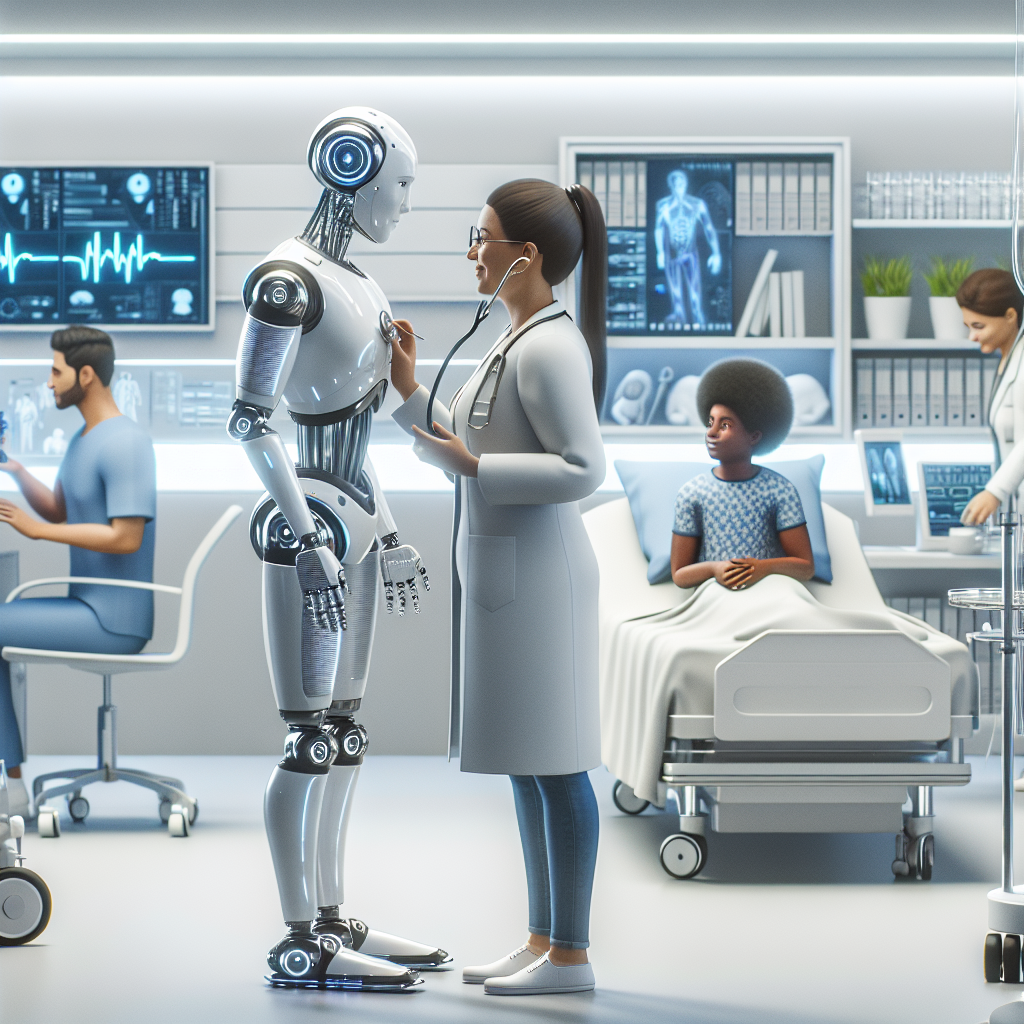
- Healthcare: Robots like Hanson Robotics' Grace assist in elder care, performing tasks like monitoring vitals or offering companionship.
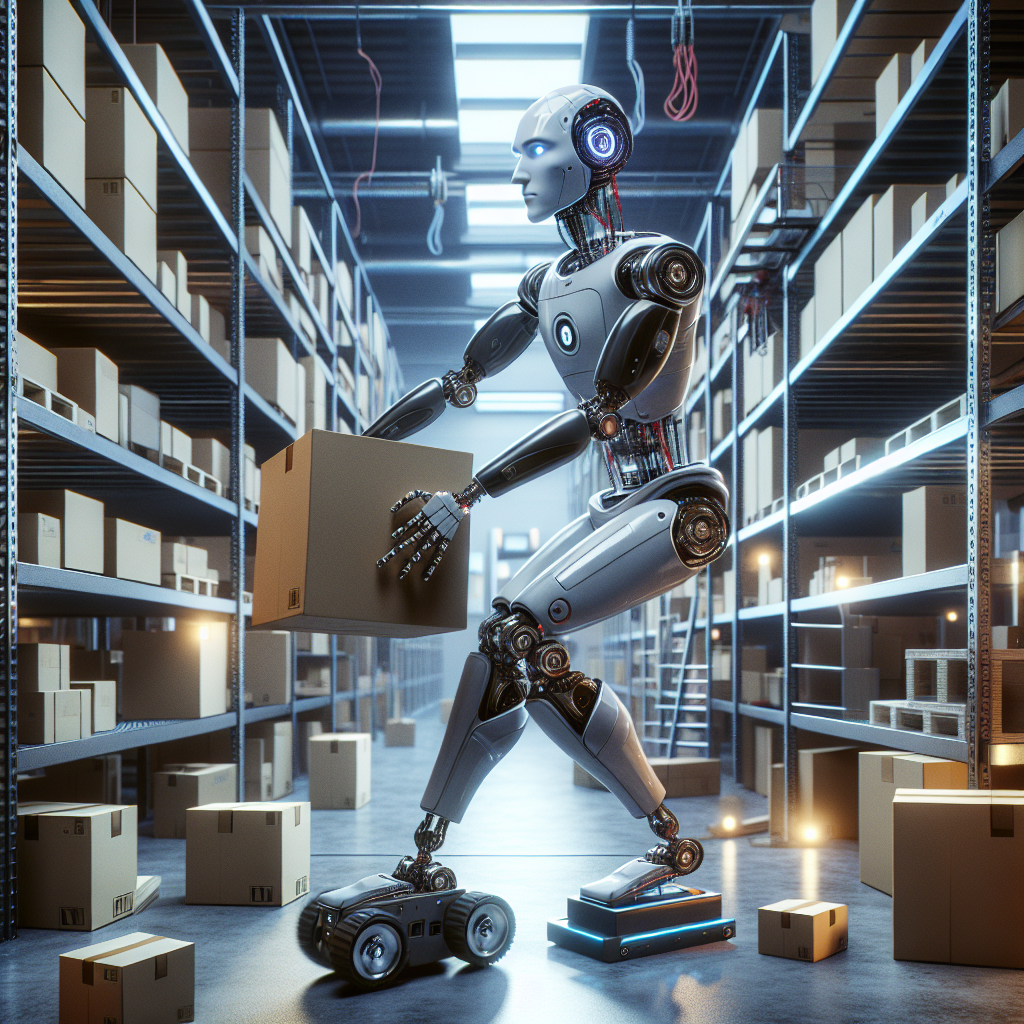
- Logistics: Tesla's Optimus aims to automate warehouse operations, from inventory management to package delivery.
- Manufacturing: Robots like Figure AI's humanoids are designed to work alongside humans on assembly lines, reducing errors and increasing efficiency.
Enhancing Human Capabilities
Beyond automation, humanoid robots augment human abilities:
- Exoskeletons: Wearable robotic systems assist workers in lifting heavy loads or patients in rehabilitation.
- Disaster Response: Robots like Sarcos Robotics' Guardian XT enter hazardous environments to perform search-and-rescue missions or inspect infrastructure.
Visual Highlights
Humanoid robots are as visually striking as they are functional. Some key designs include:
- Tesla Optimus: A sleek, futuristic robot designed for industrial tasks, featuring a minimalist white and black exterior.
- Boston Dynamics' Atlas: Known for its athleticism, Atlas performs flips, jumps, and even parkour.
- Honda's ASIMO: A pioneer in humanoid robotics, with a childlike appearance and capabilities like walking, running, and climbing stairs.
Conclusion
Humanoid robotics is no longer a vision of the distant future—it is here, evolving rapidly and shaping industries. As AI and robotics continue to advance, these machines will not only perform tasks but also adapt, learn, and collaborate, unlocking unprecedented possibilities for human-machine synergy.
Whether in healthcare, logistics, or manufacturing, humanoid robots are poised to redefine what is possible. By blending intelligence, mobility, and adaptability, they are paving the way for a future where humans and robots work hand-in-hand.
Stay tuned to HumanoidHub.ai for more updates on the latest trends in robotics and AI innovation!
Related Topics
- Humanoid robot design
- AI-powered robotics
- Robotics in healthcare