Stanford Engineering Everywhere | CS223A - Introduction to Robotics | Lecture 7 - Jacobian - Explicit Form
The purpose of this course is to introduce you to basics of modeling, design, planning, and control of robot systems. In essence, the material treated in this course is a brief survey of relevant results from geometry, kinematics, statics, dynamics, and control. The course is presented in a standa

Before you start
- Basic Python familiarity
- Comfort with algebra or calculus basics
- Interest in robotics systems
About this guide
The purpose of this course is to introduce you to basics of modeling, design, planning, and control of robot systems. In essence, the material treated in this course is a brief survey of relevant results from geometry, kinematics, statics, dynamics, and control.
The course is presented in a standard format of lectures, readings and problem sets. There will be an in-class midterm and final examination. These examinations will be open book. Lectures will be based mainly, but not exclusively, on
Common questions
What will I learn in Stanford Engineering Everywhere | CS223A - Introduction to Robotics | Lecture 7 - Jacobian - Explicit Form?
The purpose of this course is to introduce you to basics of modeling, design, planning, and control of robot systems. In essence, the material treated in this course is a brief survey of relevant results from geometry, kinematics, statics, dynamics, and control. The course is pre
Is Stanford Engineering Everywhere | CS223A - Introduction to Robotics | Lecture 7 - Jacobian - Explicit Form free?
HumanoidHub has not verified public pricing for this guide. Open Stanford Online for the current access terms before enrolling.
Do I need any prerequisites?
Recommended prep: Basic Python familiarity; Comfort with algebra or calculus basics; Interest in robotics systems.
How long does it take?
1 hours total. Most learners complete this guide in self-directed sessions over a few weeks.
Does it offer a certificate?
This guide does not include a formal certificate. Focus is on the learning material itself.
Related guides

Fundamentals of Robotics & Industrial Automation
The "Fundamentals of Robotics & Industrial Automation" course is tailored to provide a comprehensive understanding of essential concepts and practical skills necessary for excelling in the field of collaborative robotics. Through three dynamic modules, participants will explore the intricacies of se

Explore the world of artificial intelligence with online courses from MIT | Open Learning
# Explore the world of artificial intelligence with online courses from MIT | Open Learning Skip to main content Search Image 1: Open Learning ## Main navigation For Learners & Organizations For MIT Faculty About us For OL Employees News Events ## Main Nav Buttons Give S

Learn Robotics | AIoT, Sensor Fusion & Embedded Systems
Explore robotics, AIoT, sensor fusion, and embedded systems. Build smart, connected machines that adapt, learn, and drive the future of autonomous technology.
What are Robotics? | Stanford HAI
Robotics is the field that combines engineering and computer science, and now often artificial intelligence, to design and build machines capable of performing physical tasks. When integrated with AI, robots can perceive their surroundings, make decisions, and adapt to new situations without explici
AI For Everyone
AI is not only for engineers. If you want your organization to become better at using AI, this is the course to tell everyone--especially your non-technical colleagues--to take. In this course, you will learn: - The meaning behind common AI terminology, including neural networks, machine learning
How to AI (Almost) Anything | MIT Learn
<p>Artificial Intelligence (AI) holds great promise as a technology to enhance digital productivity, physical interactions, overall well-being, and the human experience. To enable the true impact of AI, these systems will need to be grounded in real-world data modalities, from language-only sy
Robots that use these skills
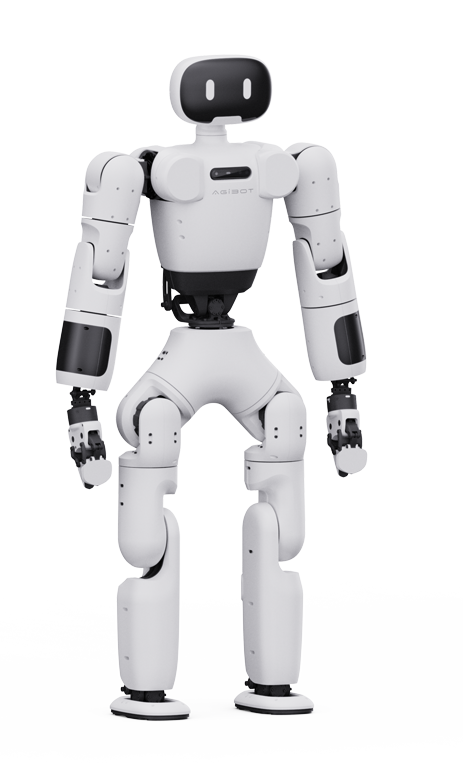
AgiBot X1
AgiBot
AgiBot X1 is a 130 cm, 33 kg open-source humanoid platform with 34 DOF for research and education.
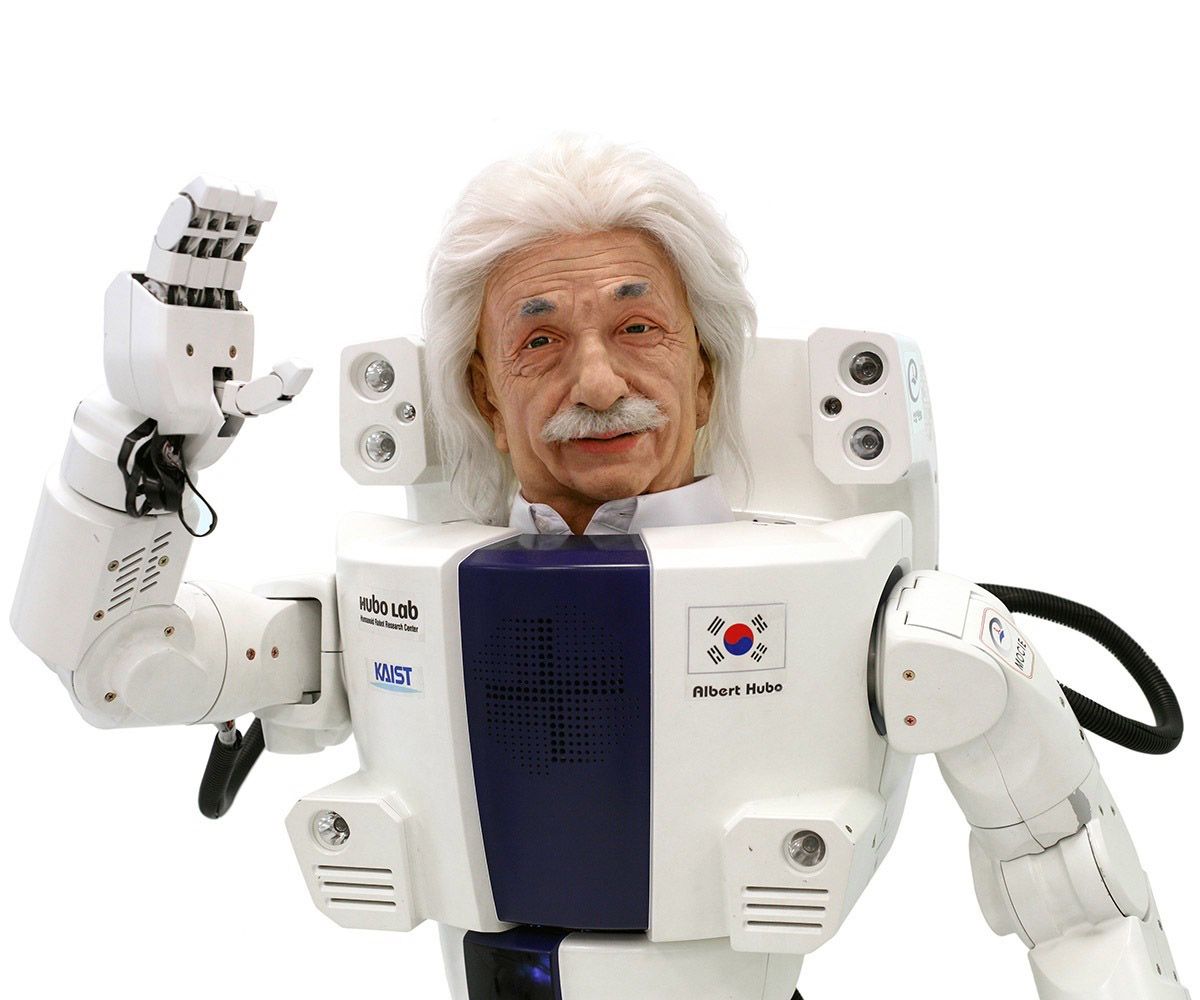
Albert Hubo
HUBO
Albert HUBO is a KAIST HUBO-platform humanoid with an expressive Einstein-like animatronic head for HRI demos and research.
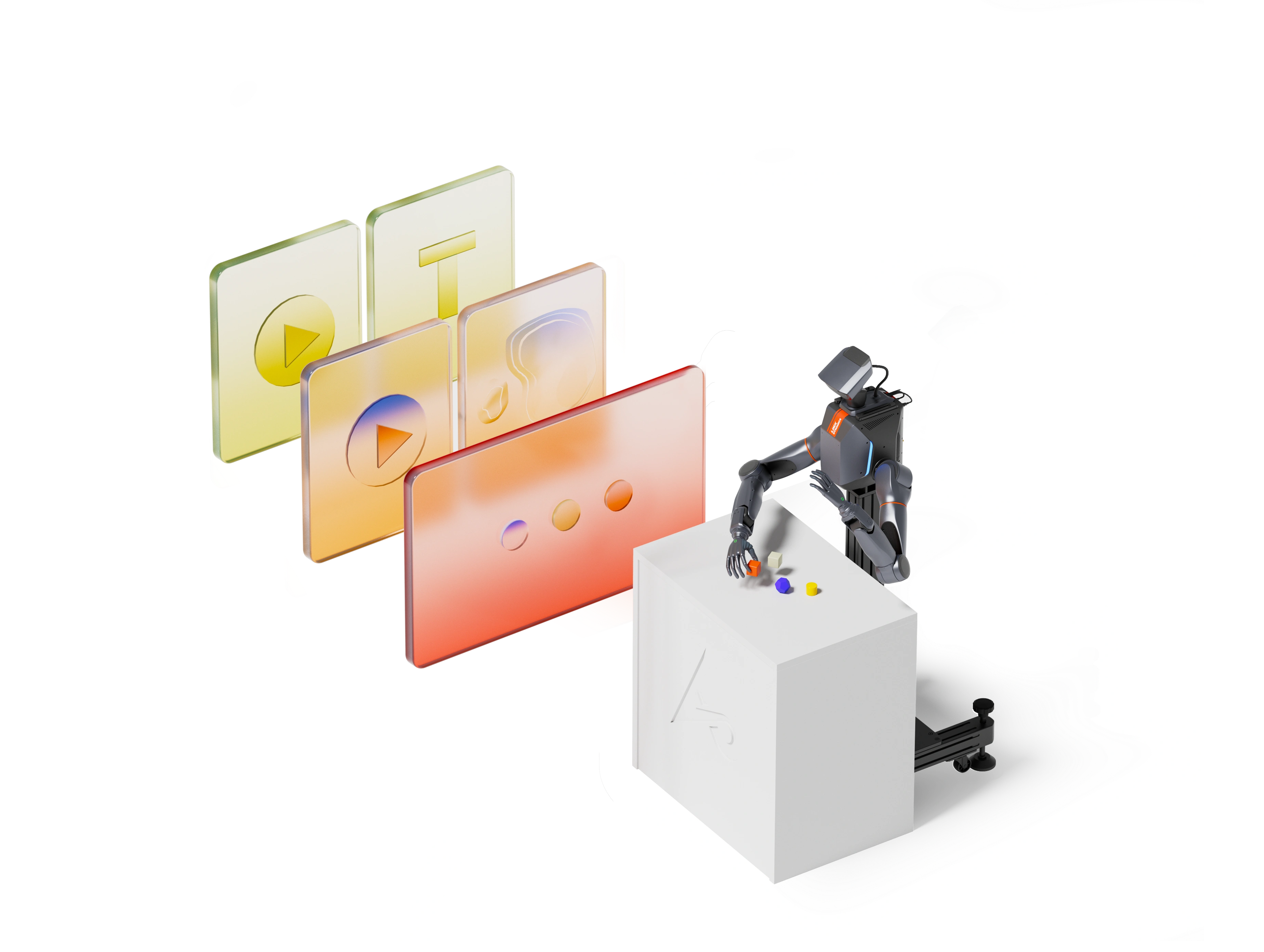
CL-1 Humanoid Robot
LimX Dynamics
CL-1 is a bipedal humanoid robot platform by LimX Dynamics intended for R&D and real-world automation trials.
Refer a learner and get early access to our paid pathways and 1:1 mentorship pilot.
Join referral listNew robots, funding, and signals. Every Thursday.
Unsubscribe anytime.