CES: Here Come The Bots! Don't You Feel Healthier? 01/08/2026
Zeroth Robotics, meanwhile, launched M1, a 15-inch tall “home humanoid” whose functions include supporting “independent living for older adults with gentle reminders, daily assistance, and light safety awareness.” Priced at $2899, it’s available now for pre...
Key takeaways
- The most recent coverage of humanoid robots shows a surge of activity across both industry and research as the technology moves from prototype to early‑scale production.
- A new Omdia report released on January 9 2026 highlights that China’s volume manufacturing is driving an exponential rise in embodied‑intelligence robots, with the global market projected to double annually and reach roughly 2.6 million units by 2035.
- At CES 2026 in Las Vegas, a wave of new models was unveiled: AMD‑backed Generative Robotics showcased its Italian‑made Gene.01 for shipyard use, LG demonstrated the CLOiD robot handling laundry, Nvidia announced its Gr00t vision‑language model and Cosmos reasoning engine for humanoids, and Unitree displayed a $70,000 G1 robot performing boxing and dance routines.
- Boston Dynamics introduced a production‑ready Atlas version aimed at factory work, and Hyundai announced a partnership to build up to 30,000 Atlas units per year with deployments slated for 2028.
- London‑based startup Humanoid accelerated its development cycle, delivering an HMND 01 Alpha bipedal prototype in just seven months using NVIDIA Isaac Lab and Jetson Thor hardware.
Zeroth Robotics, meanwhile, launched M1, a 15-inch tall “home humanoid” whose functions include supporting “independent living for older adults with gentle reminders, daily assistance, and light safety awareness.” Priced at $2899, it’s available now for pre-order, with shipping expected to start in April.
Another product being demonstrated at CES but already available in Korea is WIRobotics’ WIM S, a wearable walking assistance robot. Mind With Heart is also zeroing in on pediatric therapy with its Duncan Series Companion Robots, said to demonstrate applicability in 24 out of 74 objectives for autism spectrum disorder across eight domains – including social and interpersonal interactions and relationships, daily living functioning, and communication skills.
Indeed, robots are far from being just for seniors or physical support, with other products at CES designed to be companions for an increasingly stressed-out population.
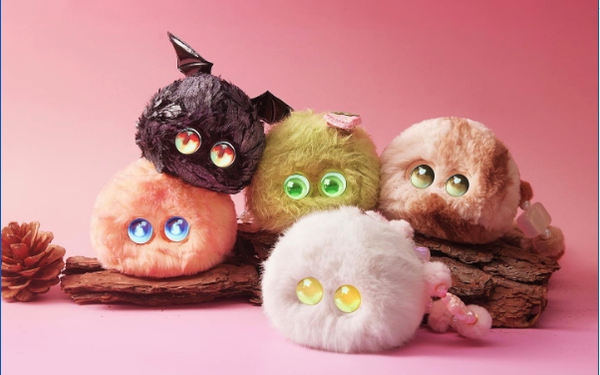
Launching a new “cyber-pet,” OlloBot cites a “rising demand among younger audiences for products that balance pragmatism with emotional value, particularly as Gen Z increasingly embraces plush toys and AI companions as sources of comfort and self-care in daily life.” Password
- Remember me
Forgot your password?
Register Advertise Follow and emotional AI (“contextual conversations and sentiment analysis to combat loneliness”).
“Robotics hardware has become cost-efficient enough for large-scale deployment,” the company says in a press release, noting that more than 21,000 Avadin units have already been deployed in Korea, and that pilot programs in New York have shown “measurable reduction in loneliness, higher adherence to daily routines, improved emergency response accuracy, and greater engagement from family members.”
New robots, funding, and signals. Every Thursday.
Unsubscribe anytime.
Mentioned in this article