China set to lead global humanoid robot race as labour shortages accelerate adoption, report warns - Robotics & Automation News
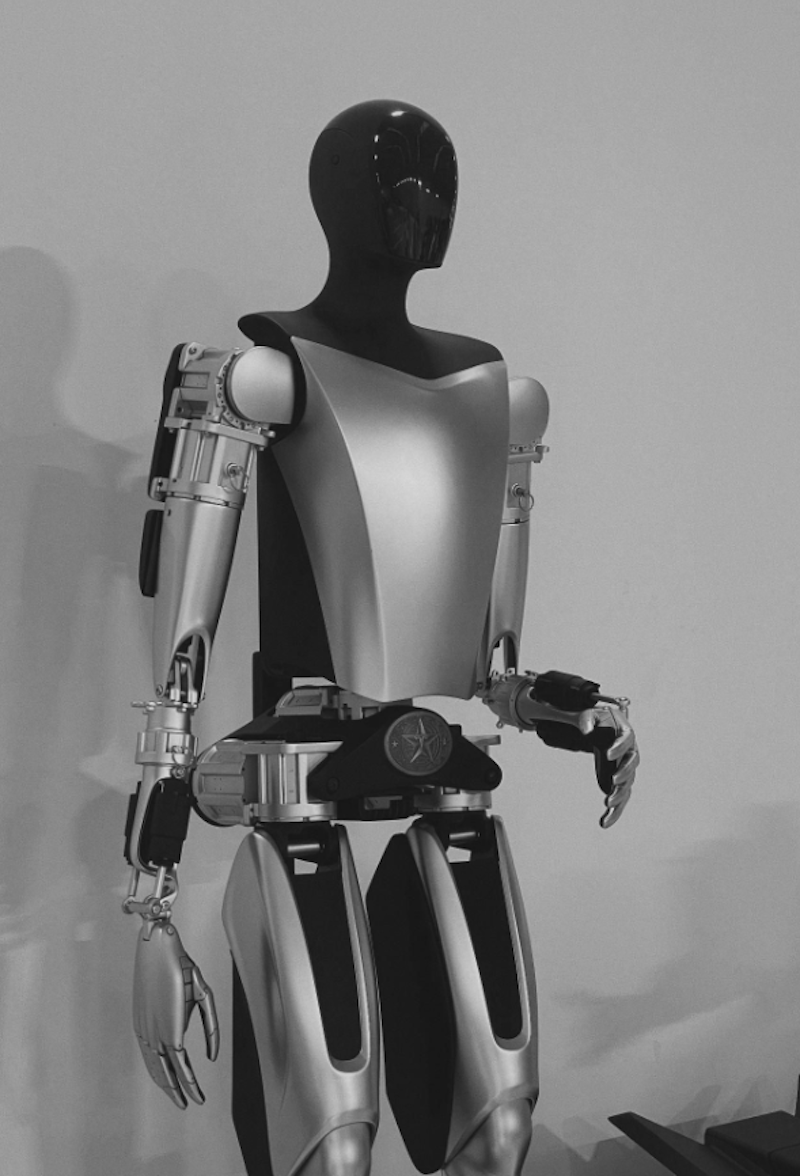
Humanoid robots, defined as “general-purpose, bipedal robots modeled after the human form and designed to work alongside humans,” are being developed for manufacturing, service roles, healthcare and even sporting applications.
Key takeaways
- In early December 2025, several major developments signaled rapid progress in the humanoid‑robot sector.
- AGIBOT announced the rollout of its 5,000th mass‑produced humanoid robot, highlighting improvements in stability, reliability and durability that aim to meet a broader range of industrial needs.
- A contemporaneous intelligence report warned that China is poised to dominate the global humanoid‑robot race, citing its leadership in patent filings and projecting eventual deployments of hundreds of millions of units to offset demographic decline.
- In the United States, Google DeepMind partnered with Apptronik to showcase a home‑use humanoid capable of performing everyday chores such as loading a dishwasher and storing groceries, demonstrating the fusion of high‑quality hardware with foundation‑model AI for general‑purpose tasks.
- Chinese firm Unitree released dramatic footage of its larger H2 humanoid engaging in kick‑boxing‑style combat, revealing new teleoperation capabilities and advanced hands that broaden functional scope.
Humanoid robots, defined as “general-purpose, bipedal robots modeled after the human form and designed to work alongside humans,” are being developed for manufacturing, service roles, healthcare and even sporting applications. Some analysis suggests that by 2060 “there will be 3 billion humanoid robots, mainly working in households and service industries,” according to the report.
China emerges as dominant force Some speculative forecasts cited in the report suggest China could eventually deploy “approximately 300,000,000 humanoid robots” to compensate for demographic decline. China also leads the world in patent filings mentioning humanoid robotics between 2020 and 2025, according to the data presented. Skip to primary navigation
Skip to primary sidebar Skip to secondary sidebar
Robotics & Automation News
Where Innovation Meets Imagination
China set to lead global humanoid robot race as labour shortages accelerate adoption, report warns
by David Edwards
A new intelligence report forecasts a rapid acceleration in the global market for humanoid robots, driven by population decline, advances in artificial intelligence, and intensifying geopolitical competition.
New robots, funding, and signals. Every Thursday.
Unsubscribe anytime.
Mentioned in this article