Humanoid robots move from labs to early workplace pilots globally - Humanoid.guide
# Humanoid robots move from labs to early workplace pilots globally ## Humanoid robots begin limited workplace deployments Humanoid robots are starting to appear in real workplaces as pilot systems rather than laboratory prototypes, according to a recent in...
Humanoid robots move from labs to early workplace pilots globally
Humanoid robots begin limited workplace deployments
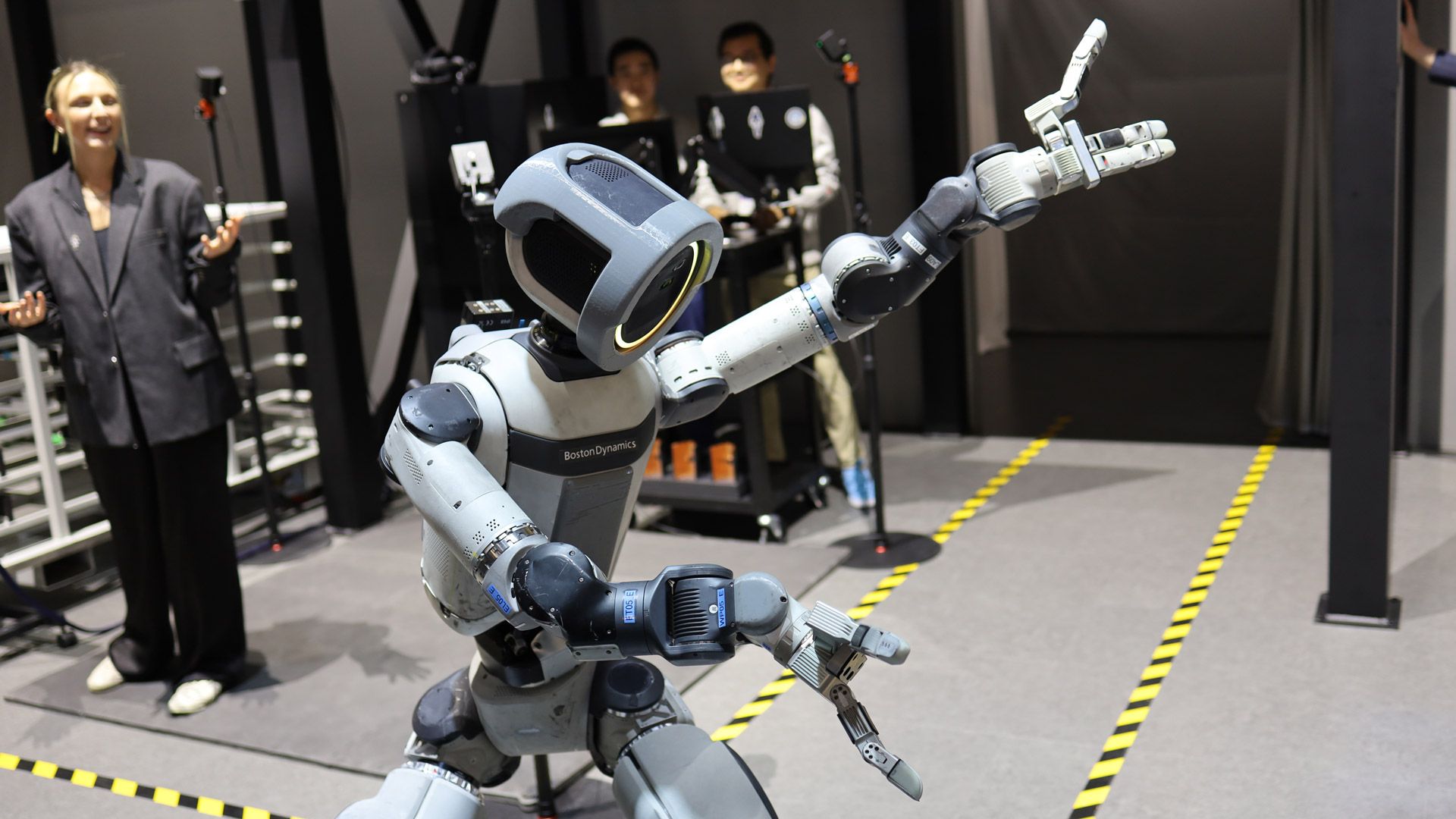
Humanoid robots are starting to appear in real workplaces as pilot systems rather than laboratory prototypes, according to a recent industry report cited by TechRadar. The shift is driven by persistent labor shortages, especially in roles that are physically demanding, repetitive, or difficult to staff consistently.
These early deployments remain small in scale and are typically supervised. Most are designed to test feasibility in logistics, light manufacturing support, warehousing, and service tasks where humanlike form factors provide advantages over fixed automation.
New! 2026 Humanoid Robot Market Report
198 pages of exclusive insight from global robotics experts — uncover funding trends, technology challenges, leading manufacturers, supply chain shifts, and surveys and forecasts on future humanoid applications.
now Google DeepMind
Economic and technical drivers
The report highlights three main factors behind growing interest in humanoid systems. Hardware costs are declining as actuators, sensors, and compute platforms mature. Perception and manipulation capabilities have improved, allowing robots to operate in semi structured environments. At the same time, demographic trends and workforce shortages are increasing pressure on employers to explore alternatives.
China is identified as a leading producer of humanoid robots, supported by domestic manufacturing capacity and state backed investment. However, development activity remains global, with companies in North America, Europe, and Asia pursuing different approaches to bipedal locomotion, mobile manipulation, and safety control.
New robots, funding, and signals. Every Thursday.
Unsubscribe anytime.
Mentioned in this article