Is Musk Conceding Ground? And Does XPENG’s IRON Signal China’s Lead in the Humanoid Robot Race?
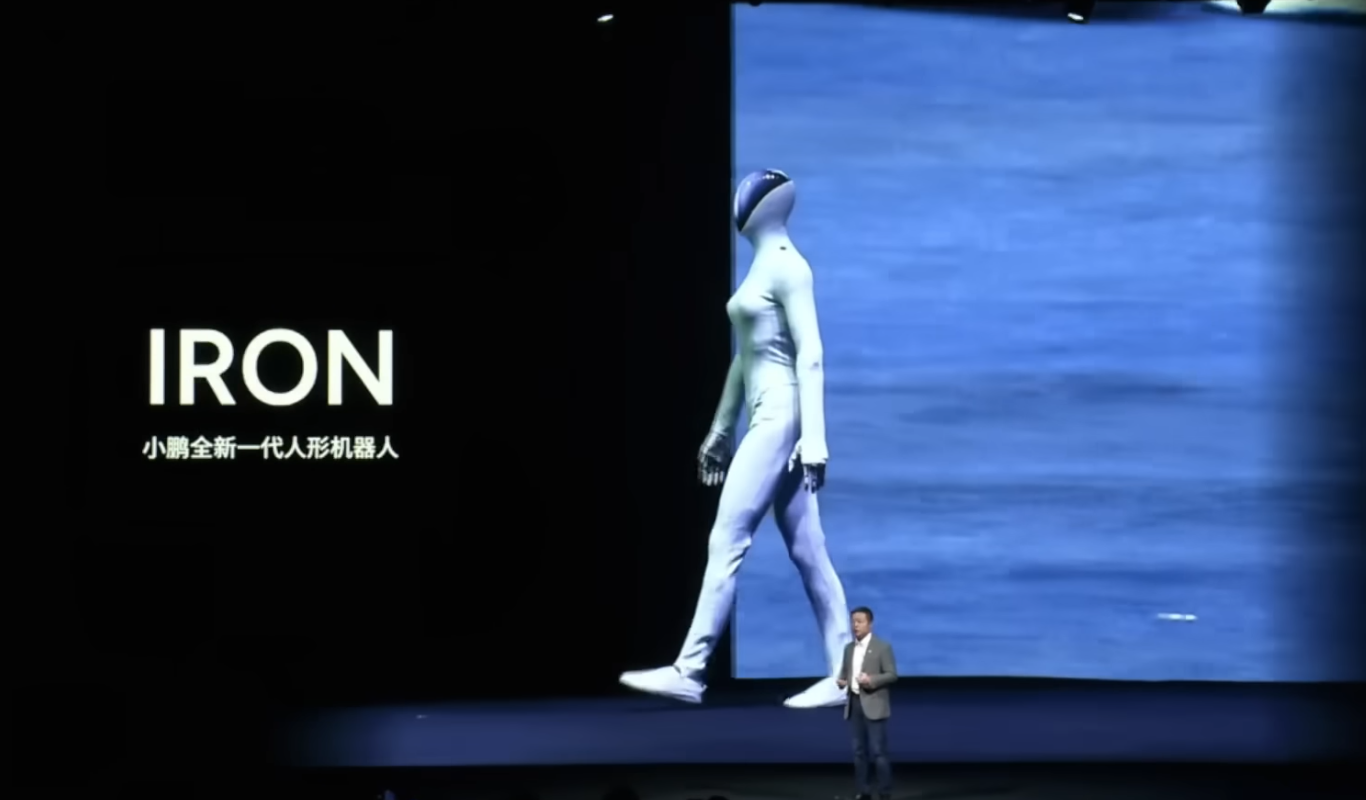
The statement was sent as a DM following XPENG’s dramatic unveiling of its next-generation IRON robot last week. The robot’s catwalk marks an inflection point in the global race for humanoid robotics—one in which the competitive axis has shifted decisively...
Key takeaways
- The most recent headlines on humanoid robots focus on two high‑profile unveilings that underscored both progress and growing pains in the field.
- On 14 November 2025, Russia’s first AI‑driven humanoid, AIDOL, stumbled and fell onstage during a Moscow technology forum while the “Rocky” theme played, drawing worldwide attention to the prototype’s 77 % domestically sourced components, silicon‑skin facial expression system and ability to display more than a dozen basic emotions.
- In contrast, Chinese electric‑vehicle maker Xpeng Motors showcased its new IRON robot at its AI Day in Guangzhou earlier in November, highlighting an unprecedented 82 degrees of freedom—including 22 in each hand—and fluid, human‑like movement powered by custom AI chips delivering 2,250 TOPS.
- Xpeng announced plans to begin production preparation in April 2026 and aims for mass‑market delivery by the end of 2026, positioning IRON as one of the first commercially available humanoid robots.
- Both events illustrate the accelerating race to bring sophisticated bipedal machines from laboratory
The statement was sent as a DM following XPENG’s dramatic unveiling of its next-generation IRON robot last week. The robot’s catwalk marks an inflection point in the global race for humanoid robotics—one in which the competitive axis has shifted decisively away from Silicon Valley versus the world, and toward a two-horse race between American and Chinese tech giants. XPENG is targeting mass production by the end of 2026, with production preparation beginning in April 2026. If achieved, this timeline would position IRON among the first commercially mass-produced humanoid robots globally—a status that carries significant first-mover advantages in establishing supply chains, developer ecosystems, and customer expectations.
Your next barista XPENG CEO He Xiaopeng posted swiftly on X: “Let this stand as the final proof: the robot that mastered the catwalk is built by a Chinese startup.” The exchange, part congratulatory and part combative, underscores an emerging reality: the humanoid robot market, long dominated by research prototypes and cautious timelines, is now a high-stakes industrial contest with mass production as the finish line.
New robots, funding, and signals. Every Thursday.
Unsubscribe anytime.
Mentioned in this article