Is Silicon Valley Ready for Home Robots? Hello Robot Enters a New Phase - Zamin.uz
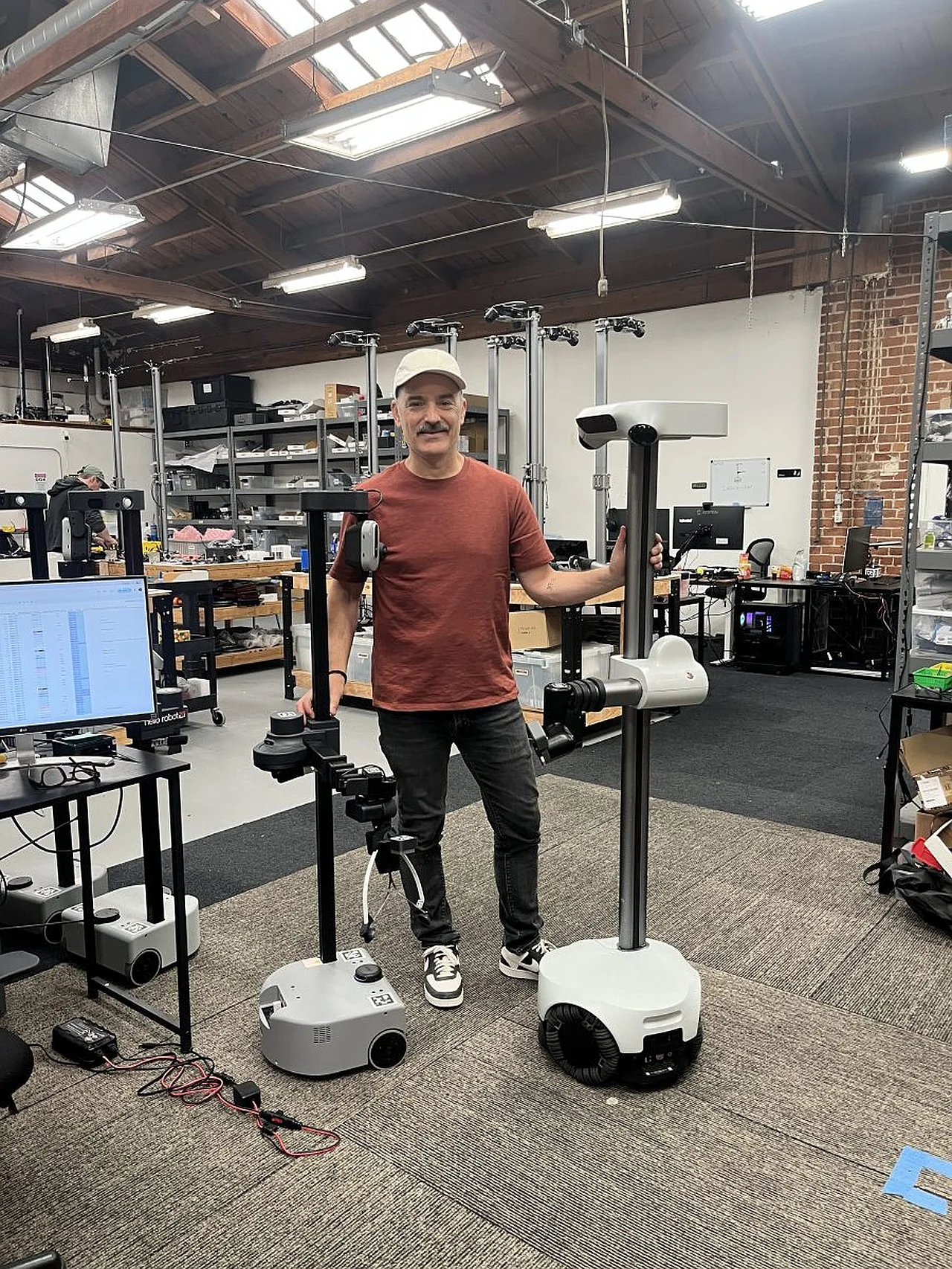
·7·Technology Hello Robot, a startup based in Martinez, California, has unveiled the fourth generation of its Stretch home assistant robot. Unlike many competitors in Silicon Valley, the company focuses on creating compact devices capable of providing pract...
Key takeaways
- Humanoid robots are gaining momentum across multiple fronts as of June 2026.
- Investors are betting heavily on the sector, with Barclays forecasting a $200 billion market by 2035 and Wedbush’s Dan Ives suggesting it could eventually be worth trillions, while SoftBank’s Masayoshi Son has called physical AI the next trillion‑dollar opportunity.
- Companies such as China’s Unitree Robotics are showcasing humanoids in public venues, and Chinese manufacturers now claim the capacity to build thousands of units annually, though analysts warn demand may lag supply.
- In the United States, corporate giants are accelerating development: OpenAI is expanding its robotics lab to create a humanoid platform, Meta has acquired Assured Robot Intelligence to boost its AI models for humanoids, and Boston Dynamics—now owned by Hyundai—is planning to field tens of thousands of Atlas robots in factories by 2028.
- Tesla’s Optimus remains a high‑profile but opaque project, with CEO Elon Musk hinting that limited consumer sales could start by the end of 2027.
·7·Technology
Hello Robot, a startup based in Martinez, California, has unveiled the fourth generation of its Stretch home assistant robot. Unlike many competitors in Silicon Valley, the company focuses on creating compact devices capable of providing practical assistance in real households, rather than complex humanoid robots resembling humans. Stretch features a telescopic arm, a sensor-equipped head, and a wheeled platform, designed to operate outside laboratory conditions. This is reported by Techcrunch.com report. One of those testing Stretch's capabilities in practice is investor Keith Platt. Paralyzed in 2021, Platt controls the robot via a voice app on his iPhone. With its help, he can independently drink a protein shake, put on his glasses, or brush his teeth. While such simple tasks previously took two hours, they are now completed in just a few minutes with the robot's assistance.
The Hello Robot team includes specialized therapists working to adapt the device to the needs of people with disabilities. Platt emphasizes that achieving independence and reducing reliance on others is mentally crucial not only for the patient but also for their caregivers. Currently, Stretch is one of the few projects that has moved beyond laboratory windows to start serving people in real homes. Why can't Google's AI spell its own name correctly?
Scientists created solar cells 10,000 times thinner than a human hair
Honor 600 Super Edition and Honor 600 Pro revealed ahead of launch
Honor 600 Pro Launched in China: 200MP Camera and 8000mAh Battery
Honor 600 Smart Edition: With 200 MP Camera and 8600 mAh Battery
Microbes discovered that create construction material from Martian soil
Xiaomi Air smartphone cancelled: 200 MP camera and ultra-thin body
iPhone 18 Pro colors revealed: Dark Cherry becomes the main trend
$11 971 soum▲36,04€13 903 soum▲6,06₽163 soum▼0,96¥1 768 soum▲3,45
Mentioned in this article