Tesollo commercializes its lightweight, compact robotic hand for humanoids
Read the article and explore its original source.
Article
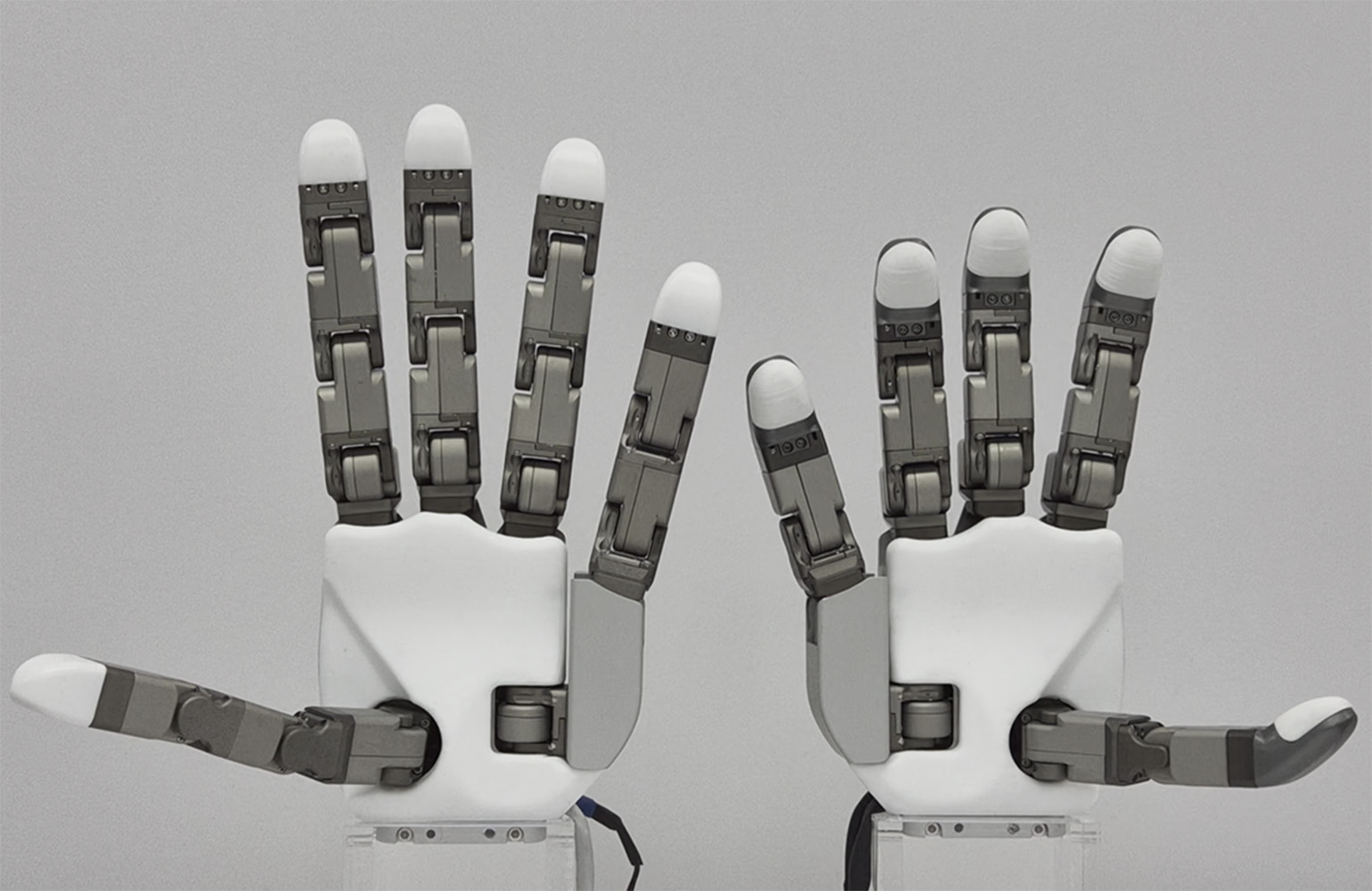
While maintaining the core structure and manipulation performance of the company’s flagship DG-5F-M, Tesollo redesigned the DG-5F-S with a strong focus on miniaturization and weight reduction. Through this redesign, the company has expanded the range of applications by enabling more flexible responses to the mounting requirements and system configurations. A wide variety of humanoid robot platforms helped to drive these changes, Tesollo said.
Founded in 2019, Tesollo said its name is a combination of “technology” and “sole,” representing its commitment to opening new horizons in the robotic automation market. The Incheon, South Korea-based company originally debuted the DG-5F-S at CES 2026 earlier this year.
Humanoid hand designed for easy integration The company debuted its flagship DG-5F at the IEEE/RSJ International Conference on Intelligent Robots and Systems (IROS) in 2024. Since then, major Korean and global technology companies have adopted the gripper, expanding its use cases across industries.
Tell Us What You Think! Cancel reply
This site uses Akismet to reduce spam. Learn how your comment data is processed.
Warehousing robot maker turns to lubrication-free motion plastics
OnRobot to share automation roadmap advice in Dallas
Robotiq brings sense of touch to physical AI with fingertips for 2F grippers
The hidden technology behind fluid robot motion
Search The Robot Report ## Tesollo builds DG-5F-S to solve real-world problems
Tesollo also said it expects the DG-5F-S to help reduce common barriers in adopting robotic hands—particularly cost burden and size constraints. The company said it wants to lower the entry threshold for a wider range of users, including startups, research institutions, and small to midsize companies that have been considering humanoid robotic hands.
Through the commercialization of the DG-5F-S, Tesollo plans to expand robotic hands beyond research platforms into industrial-grade core components that can be reliably integrated into humanoid systems, while strengthening the foundation for humanoid commercialization in Korea.
Evidence and editorial ownership
Request a correctionOriginal source
The Robot Report · therobotreport.com
Published March 1, 2026
New robots, industry moves, and funding in your weekly robotics briefing.
Unsubscribe anytime.