Why Humanoid Robots and Embodied AI Still Struggle in the Real World | Scientific American
A useful parallel is a type of robot we’ve been teaching for years, usually without calling it a robot: the self-driving car. For instance, Tesla collects data from its cars to train the next generation of its self-driving AI.
Buyer next steps
Compare source-backed options on HumanoidHub
Use HumanoidHub catalog records and buyer guides to verify robot availability, source links, and shortlist fit before contacting manufacturers.
A useful parallel is a type of robot we’ve been teaching for years, usually without calling it a robot: the self-driving car. For instance, Tesla collects data from its cars to train the next generation of its self-driving AI. Across the industry, companies have had to collect massive amounts of driving data to reach today’s levels of automation. But humanoids have a harder job than cars.
In Westworld, humanoid robots pour drinks and ride horses. In Star Wars, “droids” are as ordinary as appliances. That’s the future I keep expecting when I watch the Internet’s new favorite genre: robots dancing, kickboxing or doing parkour.
By robots, I don’t mean the millions that are already deployed on factory floors or the tens of millions that consumers buy annually to vacuum rugs and mow lawns. I mean humanoid robots like C-3PO, Data and Dolores Abernathy: general-purpose humanoids.
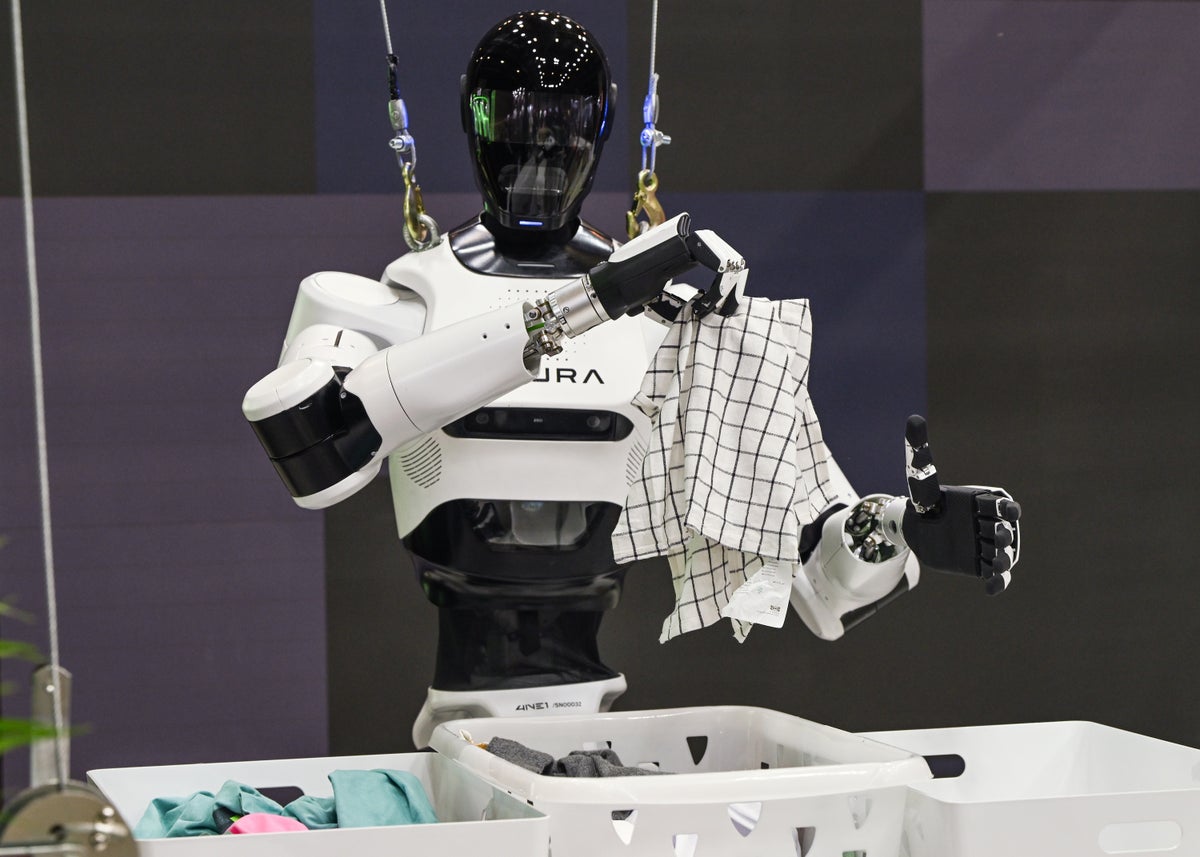
That reality gap explains why a robot parkour star can’t wash your dishes. After the first World Humanoid Robot Games this year in Beijing, where robots competed in soccer and boxing, roboticist Benjie Holson wrote about his disappointment. What people really want, he argued, is a robot that can do chores.
A useful parallel is a type of robot we’ve been teaching for years, usually without calling it a robot: the self-driving car. For instance, Tesla collects data from its cars to train the next generation of its self-driving AI. Across the industry, companies have had to collect massive amounts of driving data to reach today’s levels of automation. But humanoids have a harder job than cars.
New robots, funding, and signals. Every Thursday.
Unsubscribe anytime.
Mentioned in this article