Industry Landscape
Quick Answer
Buyers should treat a general-purpose humanoid as a flexible platform, define the first measurable workflow, verify official records for mobility, manipulation, safety posture, autonomy mode, service coverage, and support, then compare specialized solution pages before procurement.
General-purpose evaluation is useful when the buyer is exploring a platform strategy rather than a single fixed task. The strongest near-term deployments still begin with a narrow workflow, controlled safety case, and clear support path. Use this page to separate broad manufacturer positioning from buyer-ready evidence: what the robot is officially described to do, where it is being tested, what facts are available in the catalog, and which neighboring solution pages may be a better fit once the use case becomes specific.
Broad tasks
Platform promise
Tesla Optimus - checked 2026-07-07Official positioning for a general-purpose, bi-pedal humanoid; verify availability and task readiness separately.
Home robot
Home-use signal
1X NEO - checked 2026-07-07Official product page for home-assistance positioning and buyer-facing hardware context.
Public price
Accessible research signal
Unitree G1 - checked 2026-07-07Official product page with public G1 pricing and parameter context; confirm configuration before procurement.
Multi-industry
Commercial flexibility
Apptronik Apollo - checked 2026-07-07Official Apollo page positioning the platform across warehouse, manufacturing, and future service settings.
Use Cases
Multi-Role Facility Operations
Evaluating whether one humanoid platform could support material movement, inspection, simple stocking, demonstrations, or other adjacent workflows in the same site.
- +Keeps the pilot flexible while the buyer narrows the first workflow
- +Highlights when manufacturing, warehousing, or hospitality pages are a better fit
- +Tests platform support without assuming every task is production-ready
Personal and Home Assistance
Assessing home-facing robots for household chores, mobility around people, remote support models, privacy posture, and practical maintenance.
- +Separates consumer promise from what the vendor currently offers
- +Forces review of supervision, privacy, and household safety needs
- +Useful for buyers tracking home assistance before wider availability
Technology Demonstration
Using a humanoid robot for showrooms, investor demos, education, lab exploration, and internal executive alignment before a production deployment.
- +Prioritizes reliability, presentation quality, and support responsiveness
- +Lets teams learn platform limits before operational commitments
- +Can connect naturally to research and education evaluation criteria
Undefined Pilot Programs
Launching a structured discovery pilot when stakeholders know they want humanoid capability but have not selected the exact task or vertical.
- +Starts with site constraints, source-backed catalog facts, and vendor support
- +Avoids buying around a vague promise instead of a measurable workflow
- +Creates a clean path into a specialized solution page after discovery
Source-Checked Deployment Context
Tesla
Optimus
Manufacturer context for a general-purpose humanoid roadmap; do not treat public positioning as buyer availability or procurement proof.
Tesla Optimus - checked 2026-07-07Figure
Figure
Manufacturer news shows a mix of home, logistics, manufacturing, and production updates; use each update only for its stated context.
Figure news - checked 2026-07-071X Technologies
NEO
Official home-robot positioning for household assistance, autonomy, remote help, and human-facing interaction design.
1X NEO - checked 2026-07-07Unitree Robotics
G1
Official G1 product page gives public configuration and pricing context for research, education, and early platform comparison.
Unitree G1 - checked 2026-07-07Evaluation Checklist
0/20 checked
Task Scope
Hardware Versatility
Software and Control
Safety and Reliability
Ecosystem and Future-Proofing
Featured Catalog Models for General Purpose
Full catalogThese cards show source-backed catalog facts. Placement on this solution page is editorial suitability guidance, not a guarantee of deployment readiness, pricing, availability, or ROI.
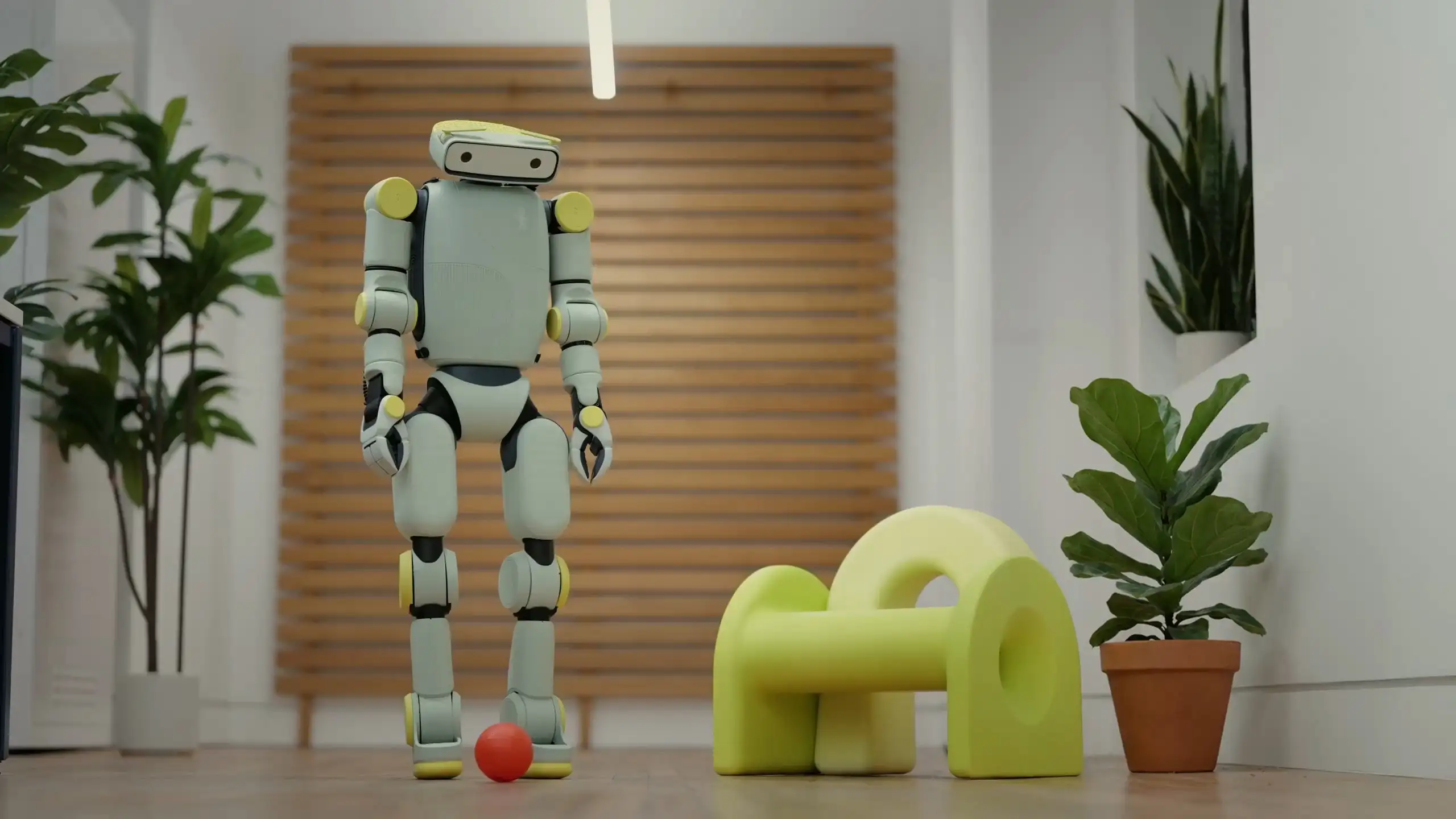
Fauna Robotics
Sprout Creator Edition
Sprout Creator Edition is Fauna Robotics' lightweight humanoid developer platform for researchers, educators, creators, and commercial teams.

UBTECH Robotics
Walker X
UBTECH Walker X is a commercial humanoid robot positioned for AI research, smart services, and human-robot interaction.
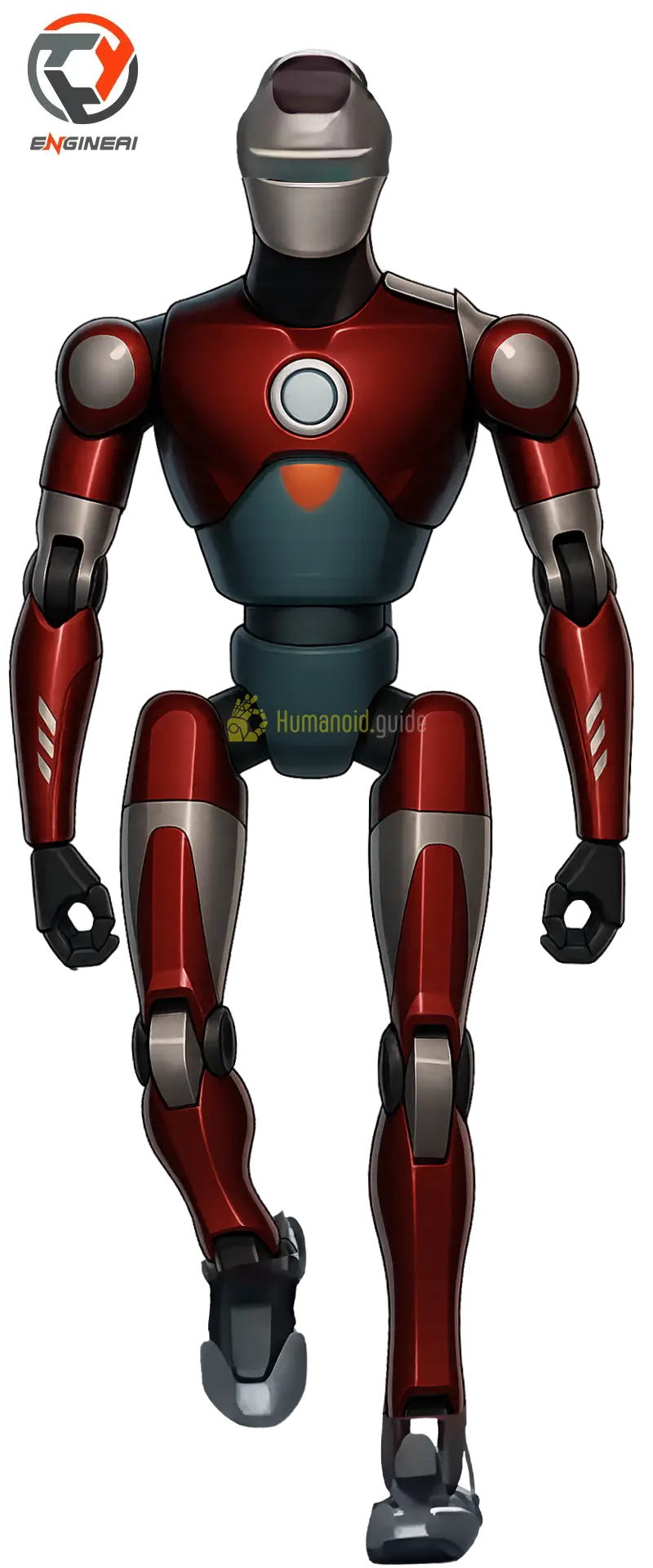
EngineAI
SA02 Humanoid Robot
EngineAI SA02 is a compact humanoid social robot teased for young people, with AI-driven interaction and bipedal mobility.

EngineAI
T800 Humanoid Robot
EngineAI T800 is a full-size humanoid (bipedal) robot shown in 2025 as a heavy-duty platform and planned “Robot Boxer” competitor.
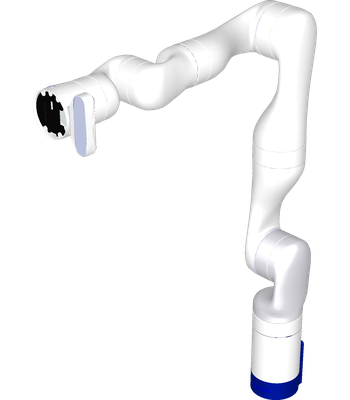
Kinova
Kinova Gen3
Kinova Gen3 is a lightweight 7-DOF collaborative robotic arm for research and applied manipulation tasks.
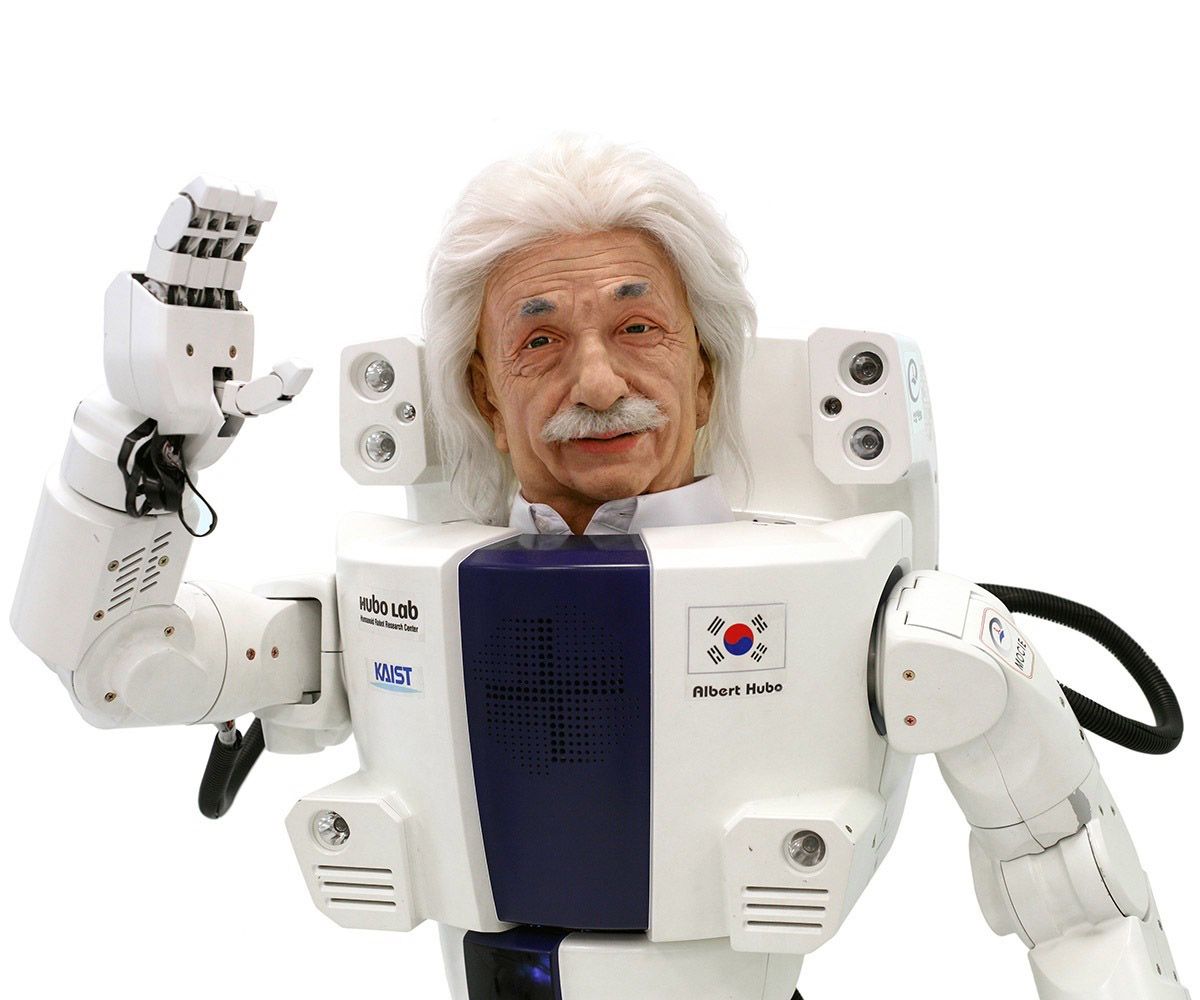
HUBO
Albert Hubo
Albert HUBO is a KAIST HUBO-platform humanoid with an expressive Einstein-like animatronic head for HRI demos and research.
Need help choosing the right robot?
Our team can help you evaluate humanoid robots for general purpose - from requirements analysis to vendor shortlisting and pilot planning.
Frequently Asked Questions
Should I buy a general-purpose or specialized humanoid robot?+
Which humanoid robot is the most versatile?+
What is Tesla Optimus designed for?+
How do I start a humanoid robot pilot program?+
Can a general-purpose humanoid work across multiple industries?+
Sources and verification
Robot facts come from catalog/manufacturer records. Market, deployment, ROI, and suitability guidance is separated below so buyer-context claims can be checked independently.
Robot and manufacturer records
Official product or manufacturer pages used for catalog-backed robot facts.