Industry Landscape
Quick Answer
Humanoid robots in healthcare serve three primary roles in 2025: patient mobility assistance and rehabilitation (e.g., Toyota T-HR3 teleoperation, Robear by RIKEN), hospital logistics and delivery (autonomous linen, meal, and pharmacy transport), and social interaction for elderly care and cognitive therapy (e.g., Pepper, NAO in dementia care). Adoption is accelerating due to a projected global shortage of 10 million healthcare workers by 2030 (WHO). Leading platforms prioritize soft-touch safety, voice interaction, and integration with EHR systems.
Healthcare systems worldwide face an unprecedented workforce crisis — the WHO projects a shortfall of 10 million health workers by 2030, with nursing and elder care hit hardest. Meanwhile, aging populations in Japan, Europe, and North America are driving demand for around-the-clock care that human staffing alone cannot sustain. Humanoid robots address specific pain points: they provide tireless physical assistance for patient transfers and mobility, automate repetitive hospital logistics (reducing nurse walking distances by up to 30%), and offer consistent social engagement for elderly patients with dementia or isolation. Unlike industrial robots, healthcare humanoids must meet stringent safety, hygiene, and emotional design standards.
10M
Healthcare Worker Shortage (2030)
WHO 2024
20–30%
Hospital Logistics Savings
McKinsey Health Institute
$3.8B
Elderly Care Robot Market (2028)
MarketsandMarkets
Up to 30%
Nurse Walking Reduction
Pilot studies
Use Cases
Patient Mobility Assistance
Helping patients stand, transfer between bed and wheelchair, and walk with support — reducing caregiver injury and improving patient independence.
- +Gentle force-controlled lifting (10–80 kg patient range)
- +Reduces caregiver back injuries — #1 healthcare workplace injury
- +Available around the clock for fall-risk patients
Hospital Logistics
Autonomous delivery of medications, meals, linens, lab samples, and supplies between departments.
- +Frees 20–30% of nursing time currently spent on transport
- +RFID/barcode chain-of-custody for medication tracking
- +Operates in elevators and through secured doors
Rehabilitation Therapy
Guided physical therapy exercises with real-time feedback, consistency tracking, and progress reporting for stroke, orthopedic, and neurological recovery.
- +Consistent repetition counts and motion quality feedback
- +Gamified exercises increase patient engagement
- +Data feeds into EHR for therapist review
Elderly Companionship & Cognitive Care
Social interaction, medication reminders, activity facilitation, and cognitive exercises for elderly residents in care facilities.
- +Reduces loneliness and depression markers in studies
- +Multilingual voice interaction
- +Non-threatening design encourages engagement
Source-Checked Deployment Context
Changi General Hospital (Singapore)
Custom logistics humanoid
Automated pharmacy and linen delivery across 6 floors, reducing nurse transport tasks by 25%.
RIKEN / Sumitomo Riko
Robear
Patient lift-and-transfer assistance in Japanese nursing homes — gentle enough for frail elderly patients.
SoftBank / Aldebaran
Pepper & NAO
Deployed in 100+ elderly care facilities across Japan and Europe for cognitive stimulation and social engagement.
Diligent Robotics
Moxi
Hospital supply delivery and logistics at Texas Health Resources, completing 30+ autonomous deliveries per shift.
Evaluation Checklist
0/20 checked
Safety & Hygiene
Patient Interaction
Clinical Integration
Facility Operations
Regulatory & Procurement
Scenario Calculator
Estimate the cost range for healthcare
Use your own assumptions to compare a monthly labor baseline with an editable deployment and support range. This is a planning scenario, not a guaranteed ROI forecast.
Add positive values for labor cost, schedule, role count, and utilization. Keep utilization at 100% or below.
Featured Catalog Models for Healthcare
Full catalogThese cards show source-backed catalog facts. Placement on this solution page is editorial suitability guidance, not a guarantee of deployment readiness, pricing, availability, or ROI.
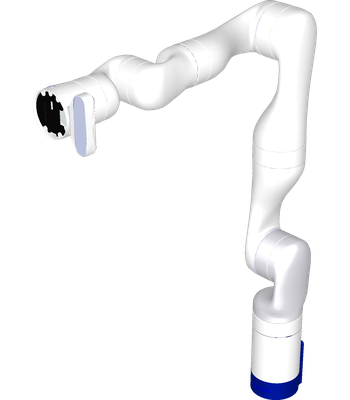
Kinova
Kinova Gen3
Kinova Gen3 is a lightweight 7-DOF collaborative robotic arm for research and applied manipulation tasks.
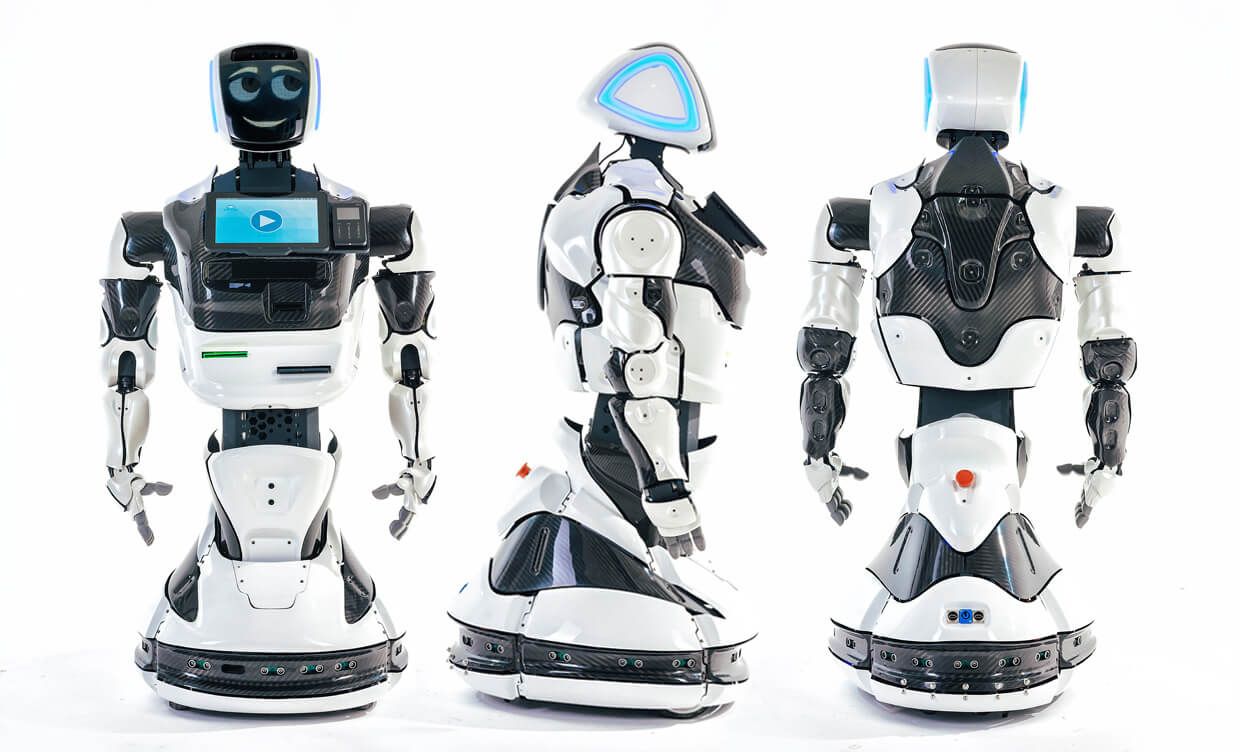
Promobot
Promobot V.4
Promobot V.4 is an autonomous humanoid service robot for customer-facing tasks in public and commercial spaces.
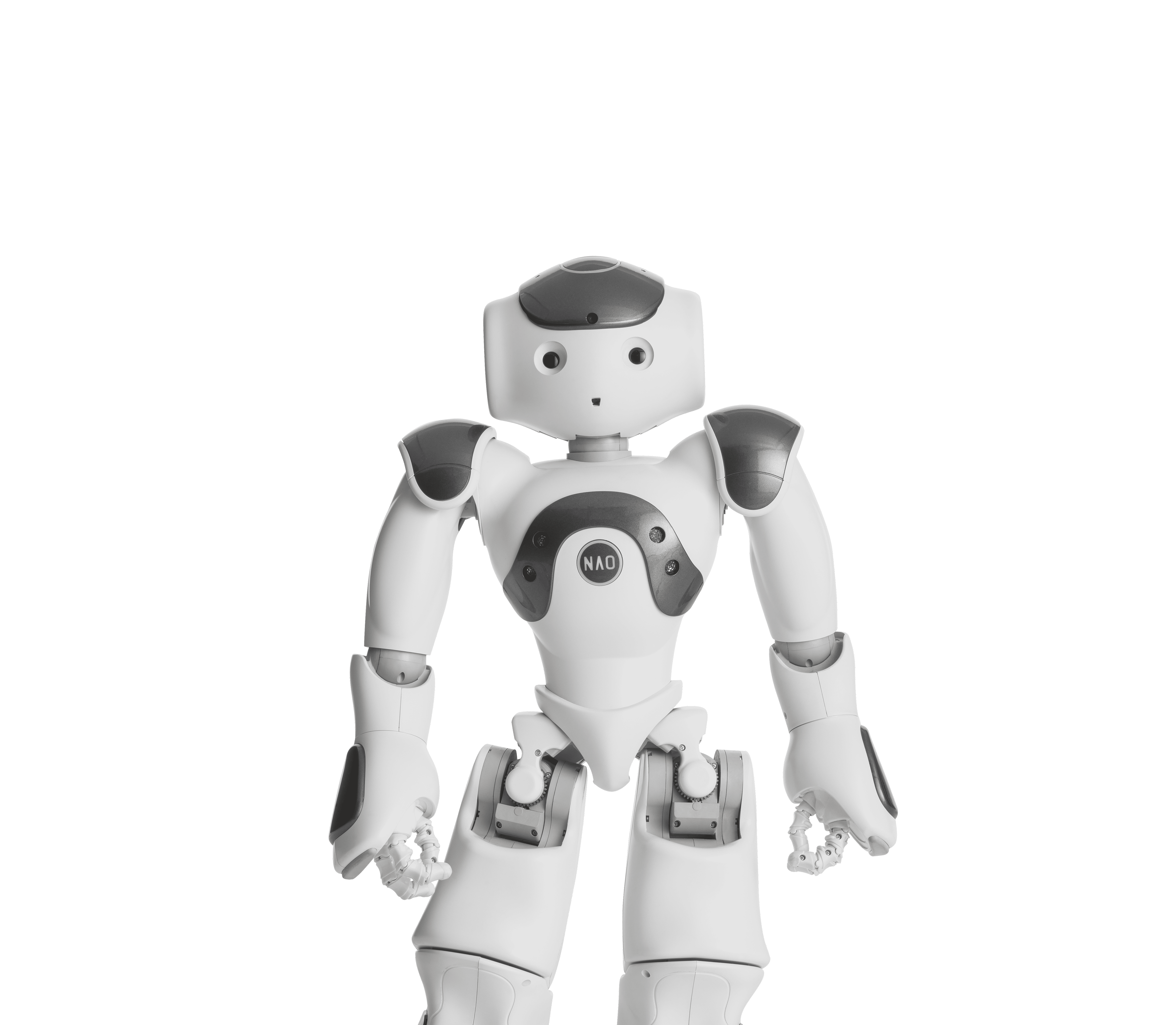
Maxtronics
NAO6
NAO6 is a 58 cm tall, 25-DoF humanoid robot from Maxtronics designed for human interaction in education, research, healthcare, and elderly care.

Dobot Robotics
Atom
Dobot Atom is a 1.53 m, 62 kg humanoid prototype by Dobot Robotics with 41 DOF and an AI system aimed at industrial and service tasks.

Physical Robotics
Robot Pi
Robot Pi (π) is an upper-body humanoid robot from Physical Robotics built for dexterous, force-controlled manipulation using multi-DOF hands.

1X Technologies
1X EVE
1X EVE is a wheeled humanoid robot from 1X Technologies aimed at mobile service work in institutional and industrial settings.
Connected discovery
Related pages
Humanoid robots for healthcare
Humanoid platforms targeting hospital, eldercare, and clinical-support deployments.
Buyer guides
Best Humanoid Robots for Healthcare
A careful shortlist for healthcare teams evaluating humanoid robots for patient-facing, assistive, or facility workflows.
Need help choosing the right robot?
Our team can help you evaluate humanoid robots for healthcare - from requirements analysis to vendor shortlisting and pilot planning.
Frequently Asked Questions
Are humanoid robots safe for direct patient contact?+
How do healthcare robots handle patient privacy (HIPAA/GDPR)?+
What's the ROI for hospital logistics robots?+
Can humanoid robots help with the nursing shortage?+
How do patients react to humanoid robots in healthcare?+
Sources and verification
Robot facts come from catalog/manufacturer records. Market, deployment, ROI, and suitability guidance is separated below so buyer-context claims can be checked independently.
Robot and manufacturer records
Official product or manufacturer pages used for catalog-backed robot facts.