Overview
Humanoid robotics, once a dream confined to science fiction, has become an exciting field of innovation with real-world applications. From Tesla's Optimus to Boston Dynamics' Atlas, humanoid robots are redefining how we interact with machines. These robots are designed to mimic human anatomy, motion, and even decision-making, enabling them to perform tasks in environments built for humans.
In this blog, we'll explore the core technologies behind humanoid robotics, current industry breakthroughs, and the transformative impact these robots are having across sectors like manufacturing, healthcare, and logistics.
Technology Breakdown
Key Components of Humanoid Robots
Humanoid robots are marvels of engineering, combining several advanced technologies:
-
Mechanical Design:
- Humanoid robots are built to resemble the human body, often with two arms, two legs, and a head.
- Materials such as lightweight metals, carbon fiber, and advanced plastics are used to ensure balance between strength and agility.
-
Actuators and Motors:
- Actuators function as the muscles of humanoid robots, enabling smooth and precise movements.
- Advanced motors, such as brushless DC motors, are often paired with sensors to provide feedback for motion control.
-
Artificial Intelligence (AI):
- AI enables humanoid robots to process information, make decisions, and adapt to dynamic environments.
- Deep learning algorithms allow robots to recognize objects, faces, and even human emotions.
-
Sensors and Perception Systems:
- Cameras, LiDAR, and ultrasonic sensors help robots understand their surroundings.
- Tactile sensors in robot hands allow for delicate manipulation of objects.
-
Power Systems:
- Batteries or tethered power supplies provide the energy needed for operation. Advancements in battery technology, such as solid-state batteries, are extending operational time.
Breakthrough Examples
Tesla Optimus
Tesla's Optimus is a humanoid robot designed to automate repetitive and mundane tasks. With its sleek design and AI-driven functionality, Optimus demonstrates Tesla's vision of creating robots capable of assisting in both industrial and domestic environments.
Boston Dynamics' Atlas
Boston Dynamics' Atlas is renowned for its agility and ability to perform complex movements like backflips and parkour. The robot's dynamic motion capabilities make it a benchmark for humanoid robotics innovation.
Figure AI's Humanoid Platform
Figure AI is developing humanoid robots tailored for workforce automation, particularly in logistics and manufacturing. Their focus on scalability and adaptability highlights the commercial potential of humanoid robots.
Industry Impact
Revolutionizing Workplaces
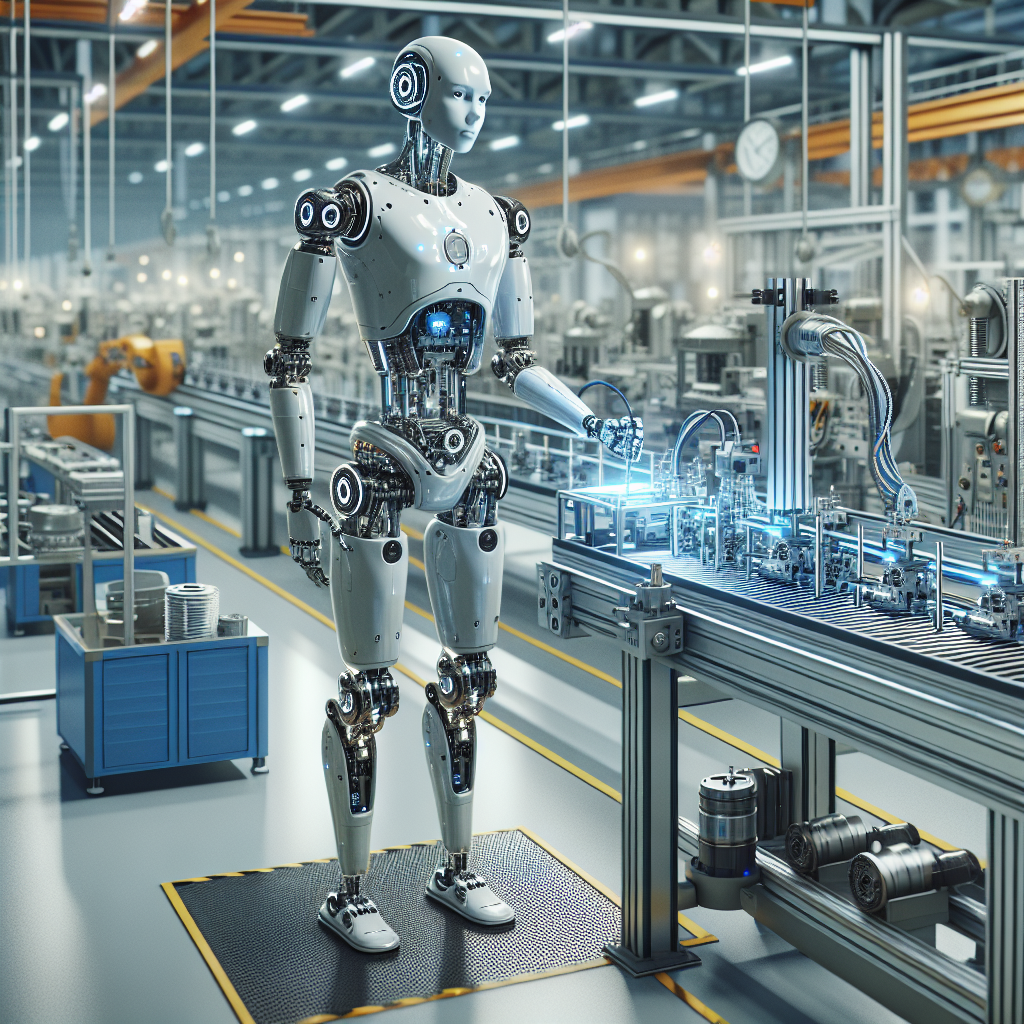
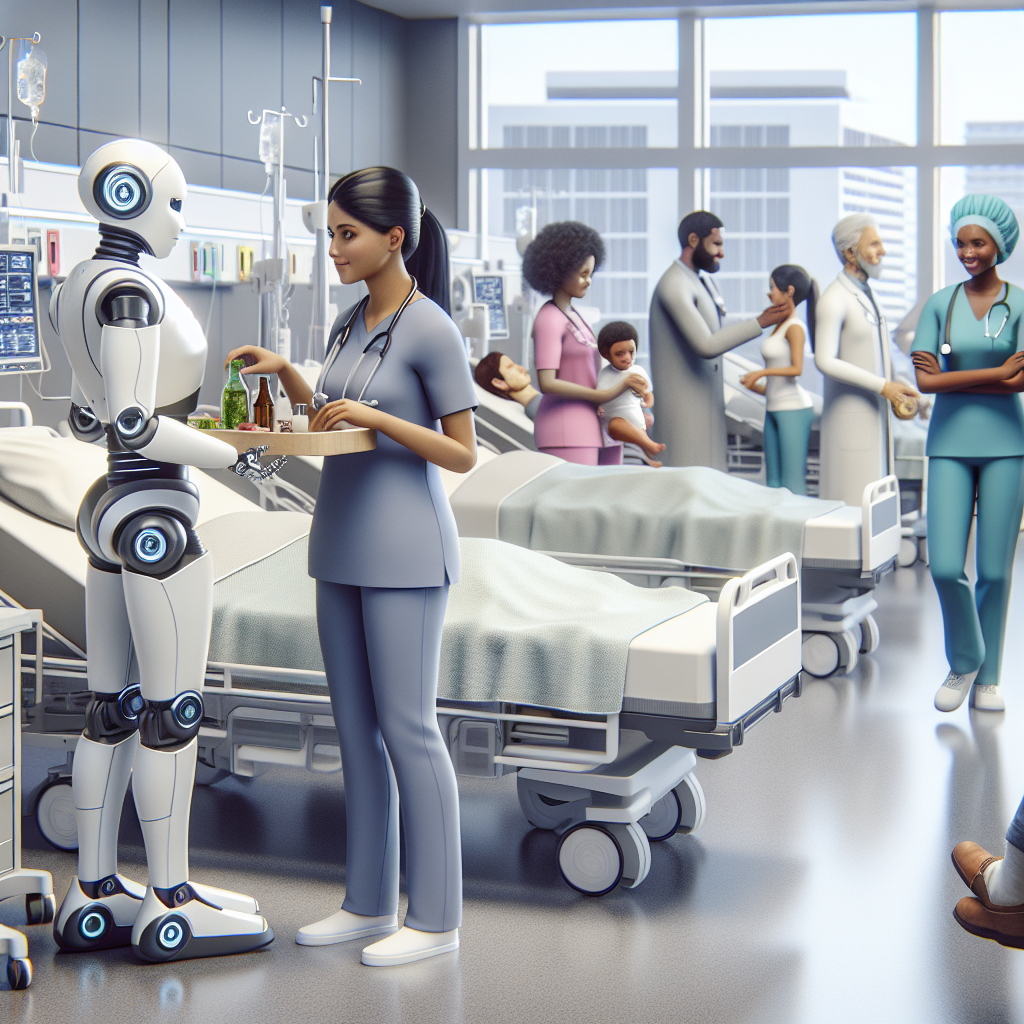
Humanoid robots are redefining industries by taking on tasks that are physically demanding, repetitive, or hazardous. For instance:
- Manufacturing: Robots like Tesla Optimus can handle assembly line tasks, reducing human exposure to hazardous environments.
- Healthcare: Humanoid robots assist in patient care, rehabilitation exercises, and even surgery, providing precision and reliability.
- Logistics: Robots with advanced navigation systems are streamlining warehouse operations, from inventory management to order fulfillment.
Addressing Labor Shortages
As industries face labor shortages, humanoid robots are stepping in to fill the gaps. Their ability to work tirelessly and adapt to various roles makes them invaluable in regions with aging populations or declining workforces.
Ethical Considerations
The rise of humanoid robots also raises ethical questions, such as:
- How will widespread adoption impact human employment?
- What safeguards are needed to ensure robots are used responsibly?
Visual Highlights
Humanoid robots are as visually impressive as they are functional. Here are some key highlights:
- Dynamic Motion: Boston Dynamics' Atlas performing backflips showcases advancements in robotic balance and agility.
- Human Interaction: Robots designed to recognize and respond to human emotions, such as social robots used in customer service.
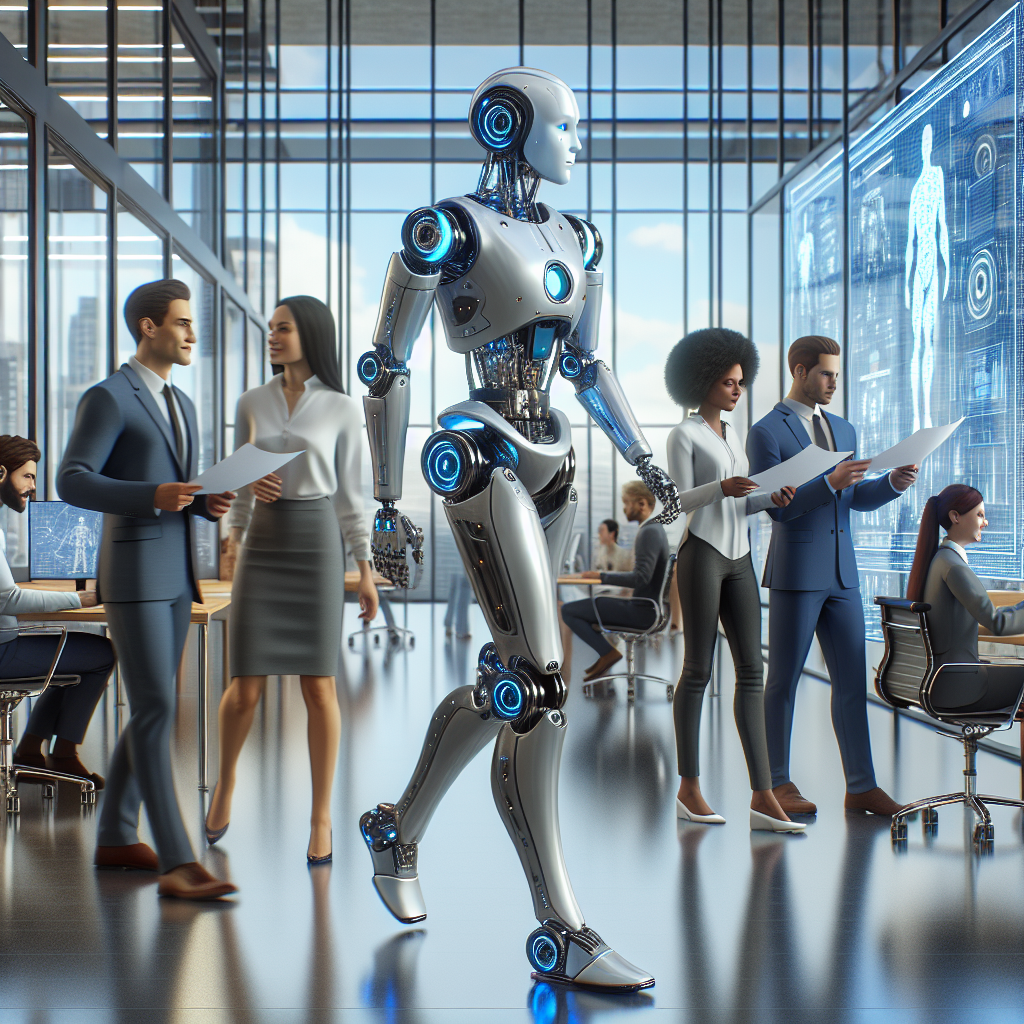
- Workplace Integration: Seeing humanoid robots alongside humans in factories, hospitals, and warehouses illustrates their seamless integration into our daily lives.
Conclusion
Humanoid robotics is no longer a distant dream; it's a rapidly growing field with the potential to transform industries and improve lives. From manufacturing floors to healthcare facilities, these robots are proving their worth. However, as we embrace this technology, we must also navigate ethical challenges and ensure that robots complement rather than replace human efforts.
As innovation continues, humanoid robots will become an even more integral part of our world, bridging the gap between science fiction and reality.
Related Topics
- Tesla Optimus
- Boston Dynamics Atlas
- AI in Robotics
- Future of Work