Overview
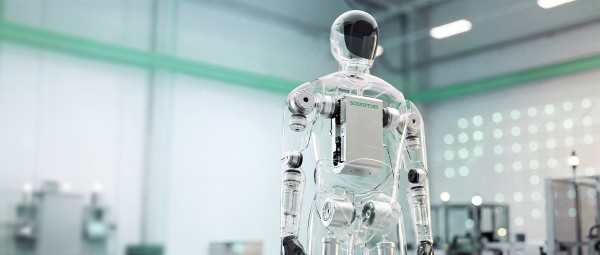
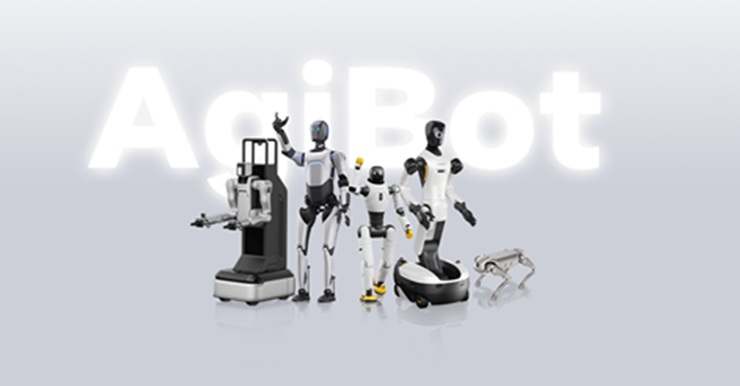
Humanoid robotics represents a groundbreaking intersection of artificial intelligence (AI), engineering, and human-centered design. These robots, modeled after the human form, aim to perform tasks traditionally handled by humans while seamlessly integrating into diverse environments. From Tesla's Optimus to Boston Dynamics' Atlas, humanoid robots are setting new benchmarks in automation, mobility, and interaction.
In this blog, we’ll explore the latest advancements in humanoid robotics, the technology that drives these machines, and their transformative impact across industries.
Technology Breakdown
Humanoid robots are marvels of engineering, combining hardware and software to mimic human capabilities. Below are some core technologies that make them possible:
1. Mechanical Design and Mobility
- Actuators and Motors: These components function as the robot's muscles, enabling precise movements like walking, lifting, or climbing.
- Material Science: Lightweight yet durable materials such as carbon fiber and high-strength aluminum alloys are used to construct frames that can withstand stress while remaining agile.
- Balance and Locomotion: Advanced algorithms, such as zero-moment point (ZMP) control, allow robots to maintain balance on uneven surfaces.
2. AI-Powered Perception
- Computer Vision: Cameras and sensors enable robots to recognize objects, navigate spaces, and interact with humans safely.
- Natural Language Processing (NLP): Cutting-edge NLP models, like OpenAI’s GPT, allow robots to understand and respond to human speech.
- Sensor Fusion: Humanoid robots integrate data from multiple sensors (e.g., LiDAR, depth cameras, microphones) to make real-time decisions.
3. Dexterity and Manipulation
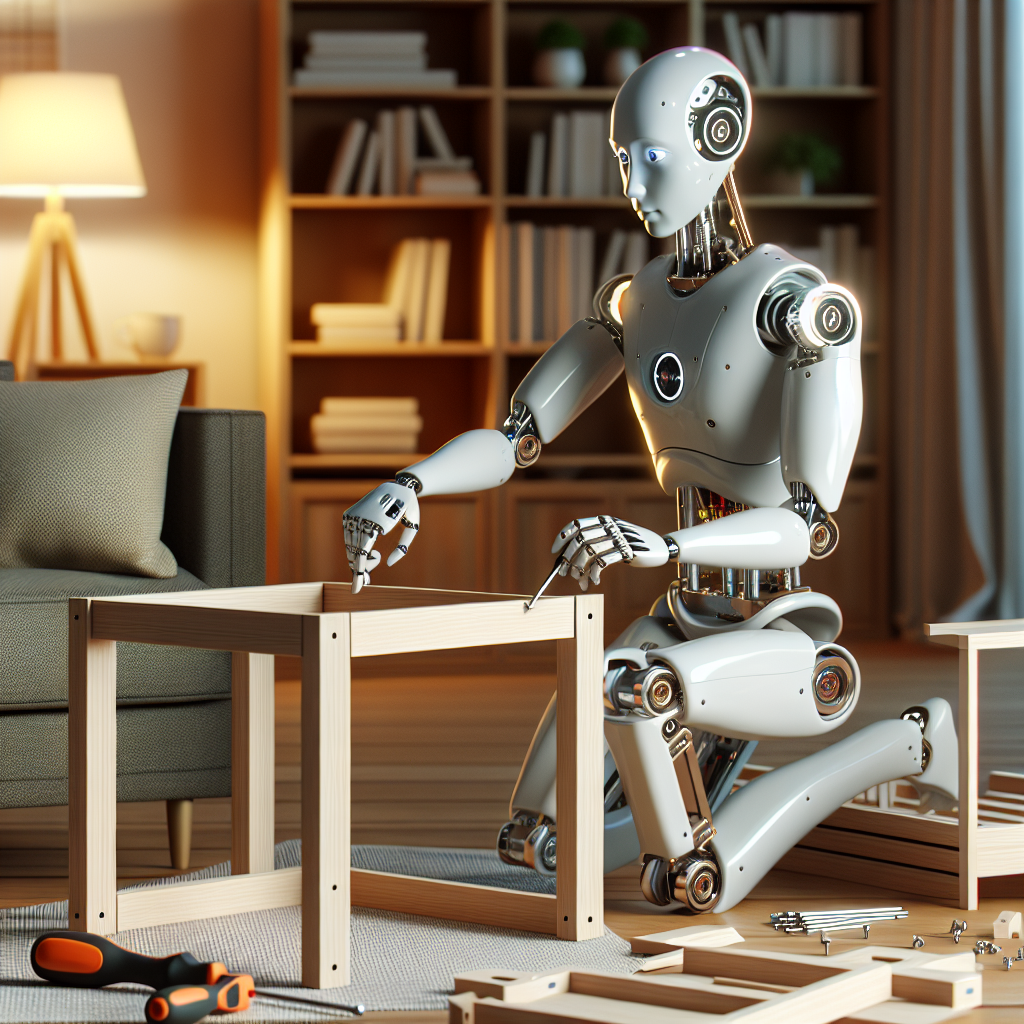
- Humanoid hands equipped with multi-fingered dexterity enable fine motor skills like gripping tools or assembling parts.
- Torque sensors in joints ensure safe interactions, adapting grip strength based on the object’s fragility.
4. Energy and Power Systems
- Battery Technology: Lithium-ion batteries are commonly used, but research into solid-state batteries and wireless charging aims to extend operational time.
- Energy Efficiency: AI algorithms optimize power usage, allowing robots to perform tasks without frequent recharging.
Industry Impact
Humanoid robotics is no longer confined to science fiction. These advanced machines are transforming industries and creating new opportunities. Here’s how:
1. Healthcare
- Elderly Care: Robots like Japan's Robear assist in lifting patients or providing companionship, addressing the growing caregiver shortage.
- Rehabilitation: Humanoid robots are used in physical therapy to help patients regain mobility through guided exercises.
2. Manufacturing and Logistics
- Robots like Tesla’s Optimus are designed to handle repetitive tasks, such as moving components on assembly lines, improving efficiency and safety.
- In warehouses, humanoid robots can autonomously sort and transport packages, reducing human workload.
3. Customer Service
- Robots like SoftBank’s Pepper greet customers, answer inquiries, and provide a unique interactive experience in retail and hospitality settings.
4. Space Exploration
- NASA’s Robonaut 2 is designed to assist astronauts by performing tasks in zero-gravity environments, paving the way for human-robot collaboration in space missions.
Visual Highlights
Humanoid robotics is as visually captivating as it is technologically advanced. Imagine:
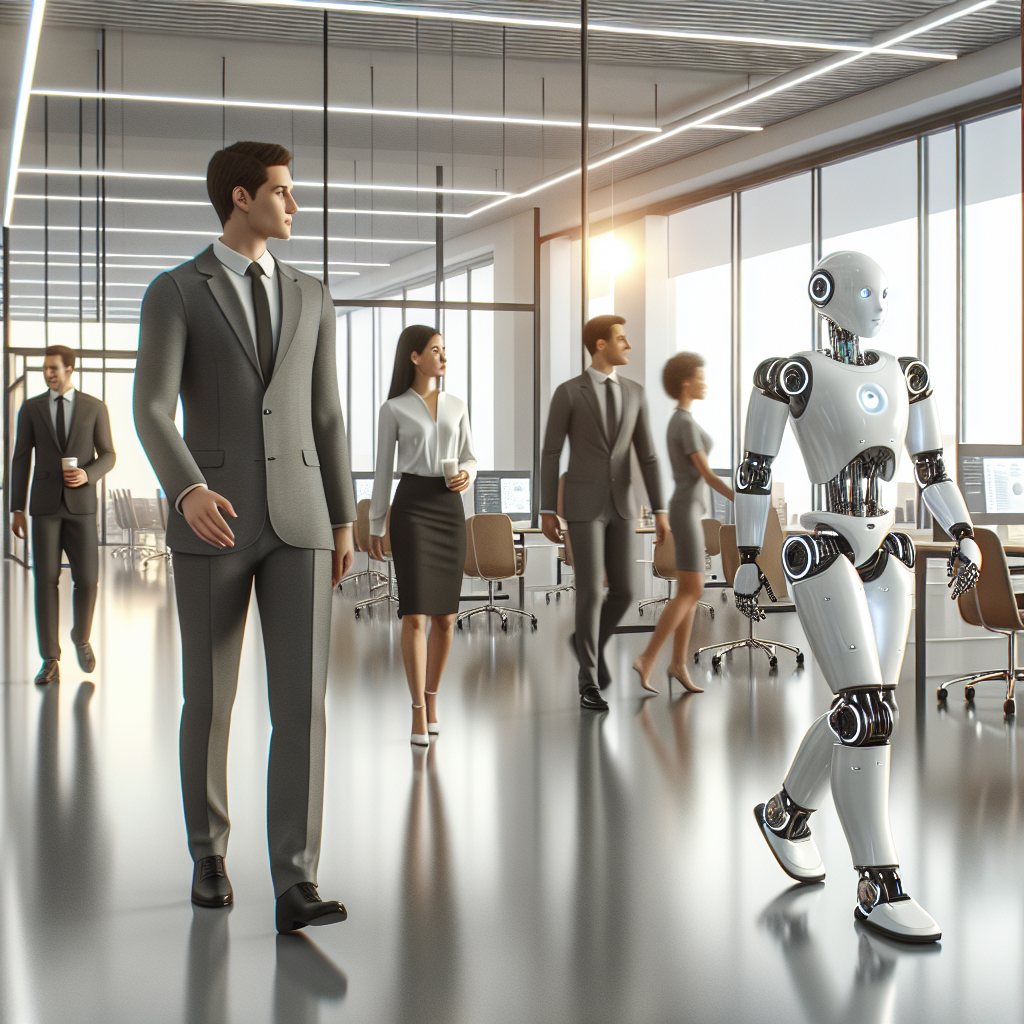
- Robots walking side-by-side with humans in public spaces, symbolizing seamless collaboration.
- Humanoids performing intricate tasks like assembling electronics, showcasing fine motor skills.
- AI-driven robots interacting with people in healthcare or customer service environments, illustrating their emotional intelligence and adaptability.
Each of these scenarios highlights the potential of humanoid robots to augment human capabilities and create more efficient workflows.
Conclusion
Humanoid robotics is no longer just a vision of the future—it’s a present reality reshaping industries and everyday life. From healthcare to manufacturing, these robots are proving their value by performing tasks that are dangerous, repetitive, or physically demanding. As advancements in AI, energy systems, and materials continue, the capabilities of humanoid robots will only expand.
While challenges like ethical considerations and cost remain, the progress we’ve seen so far is undeniably inspiring. Humanoid robots are not here to replace us but to complement our skills, making the future of human-robot collaboration an exciting frontier.
Related Topics
- Tesla Optimus
- AI-powered robotics
- Humanoid robot mobility
- Robotics in healthcare