Overview
Humanoid robotics is at the forefront of technological innovation, where engineering meets artificial intelligence to create robots that closely mimic human capabilities. These robots are designed to walk, talk, and even think in ways that allow them to integrate seamlessly into human environments. From Tesla’s Optimus to Boston Dynamics’ Atlas, recent advancements are paving the way for humanoid robots to revolutionize industries such as healthcare, manufacturing, and beyond.
This blog explores the key technologies driving humanoid robotics, their potential applications, and the broader impact they are poised to have on society.
Technology Breakdown
Humanoid robotics combines several groundbreaking technologies to achieve human-like functionality. Let’s delve into the key components:
1. AI-Powered Motion Control
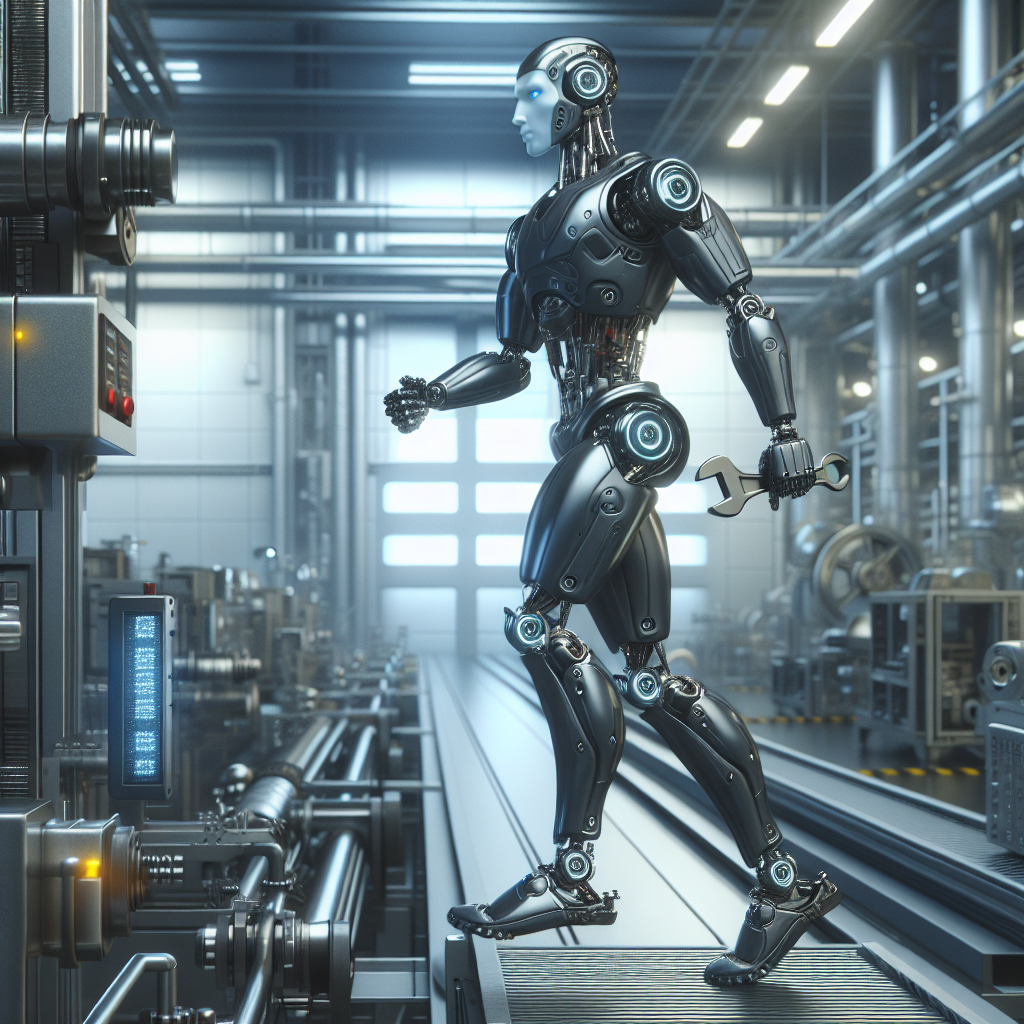
- Advanced motion control systems use AI and machine learning to enable humanoid robots to move fluidly and adapt to their environment.
- Robots like Boston Dynamics’ Atlas showcase dynamic balancing and acrobatic movements, powered by real-time sensor data and predictive algorithms.
Example in Action: Tesla’s Optimus robot employs neural networks to process visual data and navigate complex spaces autonomously.
2. Actuators and Sensors
- Actuators act as the robot’s muscles, enabling precise movements, while sensors provide critical feedback on position, force, and touch.
- Innovations like soft actuators and tactile sensors are improving robots’ ability to interact delicately with objects and humans.
3. Natural Language Processing (NLP)
- NLP allows humanoid robots to communicate effectively with humans, making interactions more intuitive.
- For instance, robots powered by OpenAI’s GPT models can engage in complex conversations and assist in customer service roles.
4. Energy Efficiency
- Powering humanoid robots is challenging due to their high energy consumption. Advances in battery technology and energy-efficient hardware, such as lightweight materials and optimized motor designs, are critical.
Industry Impact
Humanoid robots are no longer confined to research labs—they are entering real-world scenarios and transforming industries:
1. Healthcare
- Robots like Figure AI’s humanoid assistants are being developed to support elderly care, offering companionship and performing routine tasks such as medication reminders.
- Surgeons are also leveraging humanoid robots for precision in operations, reducing human error.
2. Manufacturing and Warehousing
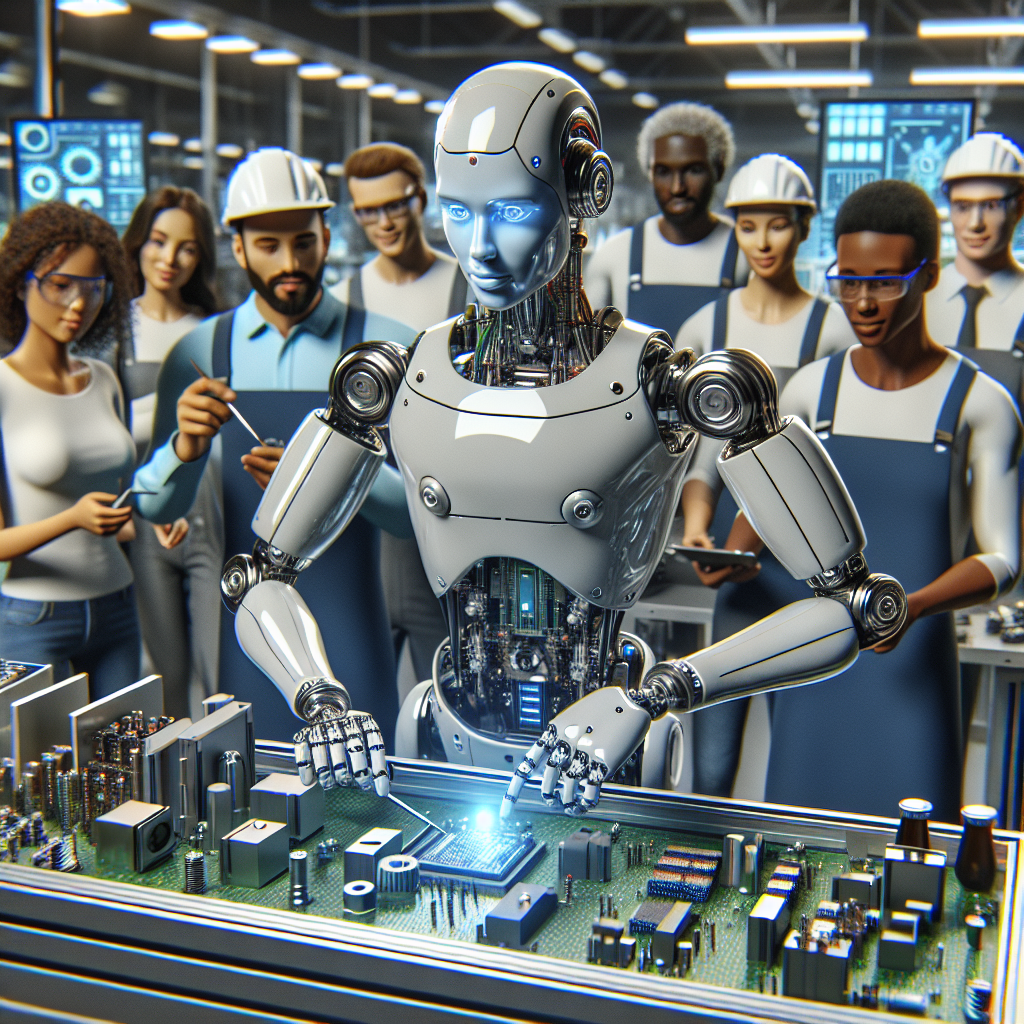
- Robots such as Tesla Optimus are designed to automate repetitive and physically demanding tasks, improving productivity and worker safety.
- Their human-like dexterity allows them to handle delicate components that traditional industrial robots cannot.
3. Service and Hospitality
- Humanoid robots are being deployed in airports, hotels, and restaurants to greet guests, provide information, and even deliver meals.
- Their ability to interact naturally with people enhances customer experience and reduces staffing challenges.
4. Space Exploration
- NASA’s Robonaut is an excellent example of humanoid robotics extending human capabilities in space. These robots can perform tasks that are too dangerous or physically demanding for astronauts.
Visual Highlights
Humanoid robotics is not just about functionality but also about the aesthetic appeal and design. The human-like form allows robots to work in environments built for humans, but it also poses challenges in terms of balancing design with functionality.
Conclusion
Humanoid robotics represents a convergence of cutting-edge technologies that are reshaping the way we work, live, and interact with machines. As advancements in AI, sensors, and actuators continue to accelerate, humanoid robots are poised to become indispensable across industries.
While challenges such as cost, energy efficiency, and ethical considerations remain, the potential benefits are immense. Humanoid robots could soon be as common in our daily lives as smartphones, transforming the way we approach tasks, solve problems, and explore new frontiers.
HumanoidHub.ai will continue to track these developments, providing insights into the latest trends and innovations in this exciting field.
Related Topics
- Tesla Optimus
- Boston Dynamics Atlas
- AI-powered motion control
- Figure AI humanoid robots