Overview
Humanoid robotics has long been a fascinating area of technological innovation, bridging the gap between science fiction and reality. From robots assisting in warehouses to humanoid companions designed for healthcare, the field is rapidly evolving. With companies like Tesla, Boston Dynamics, and Figure AI leading the charge, humanoid robots are becoming more capable, versatile, and integrated into our daily lives. But how do these robots work, and what challenges remain?
This article delves into the latest advancements in humanoid robotics, explores the technology behind them, and examines their potential to transform industries.
Technology Breakdown
Humanoid robots are designed to mimic human form and functionality. Their development requires a harmonious integration of multiple cutting-edge technologies, including:
1. AI-Powered Motion Control
Advanced AI algorithms enable humanoid robots to perform complex movements with precision. Technologies like reinforcement learning help robots adapt to new environments, navigate obstacles, and perform tasks autonomously. For example:
- Tesla Optimus: Leveraging Tesla's AI expertise, Optimus uses neural networks to learn human-like movements, making it ideal for repetitive industrial tasks.
- Boston Dynamics' Atlas: Famous for its agility, Atlas can perform backflips and complex parkour, showcasing extraordinary motion capabilities.
2. Robust Sensors and Perception Systems
Humanoid robots rely on sensors to perceive their surroundings. These include:
- LIDAR and cameras: For depth perception and object recognition.
- Touch sensors: To detect pressure and enable safe interaction with humans and objects.
- IMUs (Inertial Measurement Units): For balance and stability during dynamic movements.
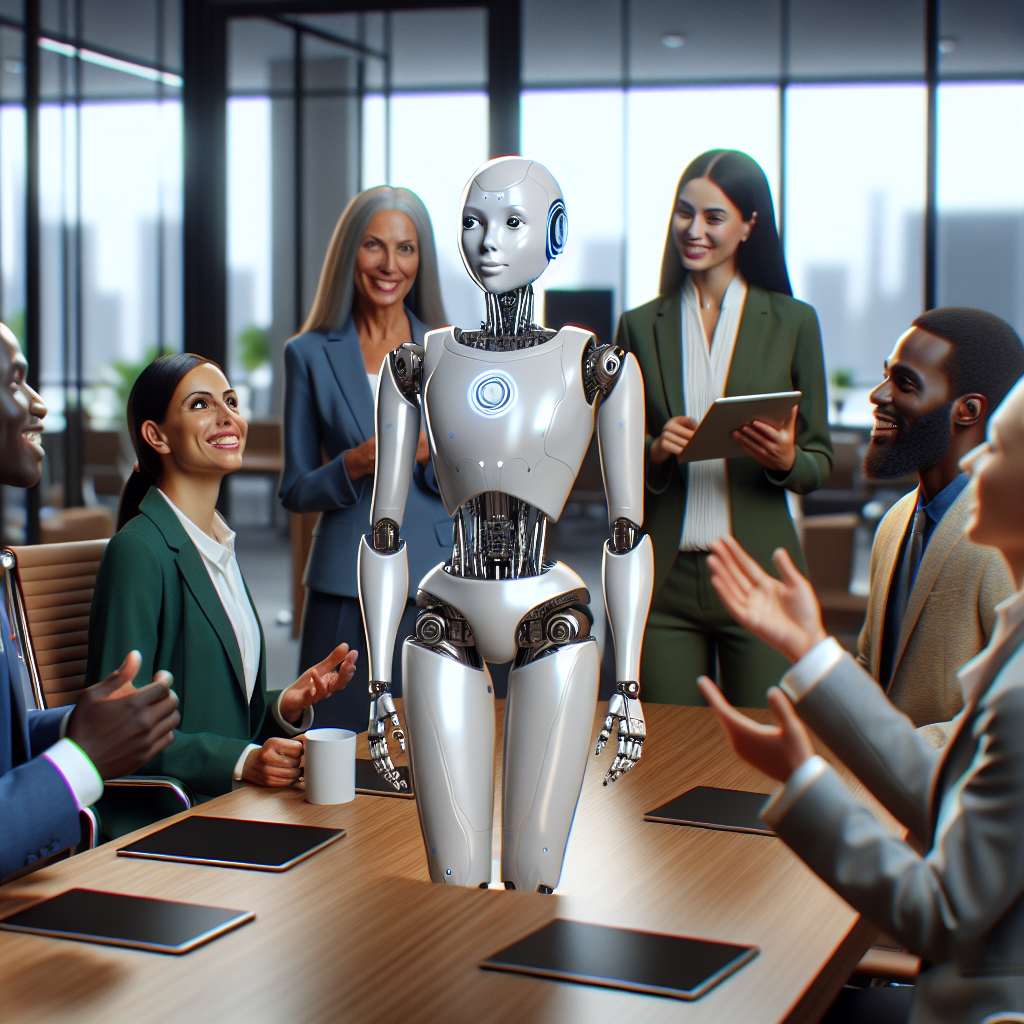
3. Human-Robot Interaction (HRI)
The ability to interact naturally with humans is a key focus. Speech recognition, natural language processing (NLP), and emotional AI allow robots to communicate effectively and respond to human emotions. For instance, robots like Ameca (developed by Engineered Arts) exhibit realistic facial expressions to enhance engagement.
Industry Impact
Humanoid robotics is reshaping various industries, creating opportunities for automation, efficiency, and innovation.
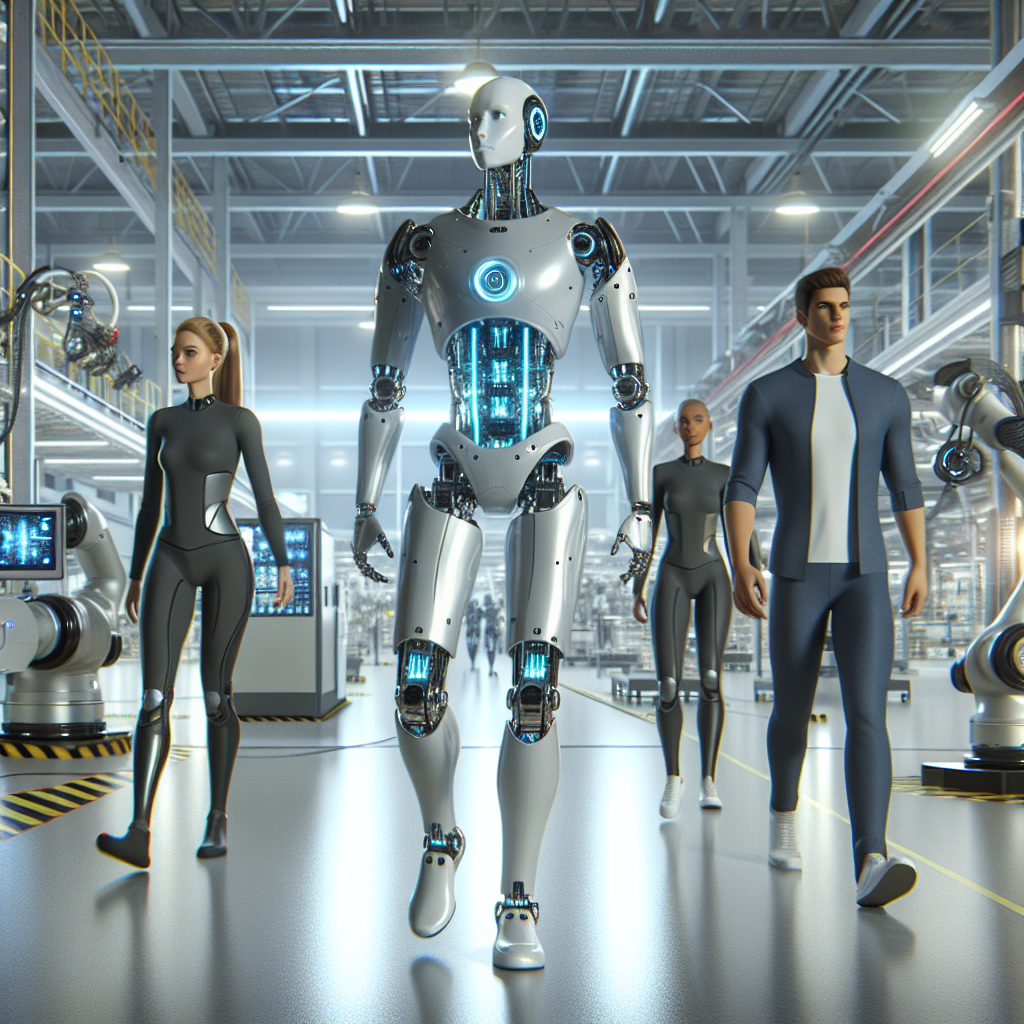
1. Manufacturing and Logistics
Robots like Tesla Optimus are being developed to assist in repetitive, labor-intensive tasks such as:
- Assembly line operations.
- Warehouse sorting and inventory management.
These robots reduce human labor costs and improve workplace safety by taking on hazardous tasks.
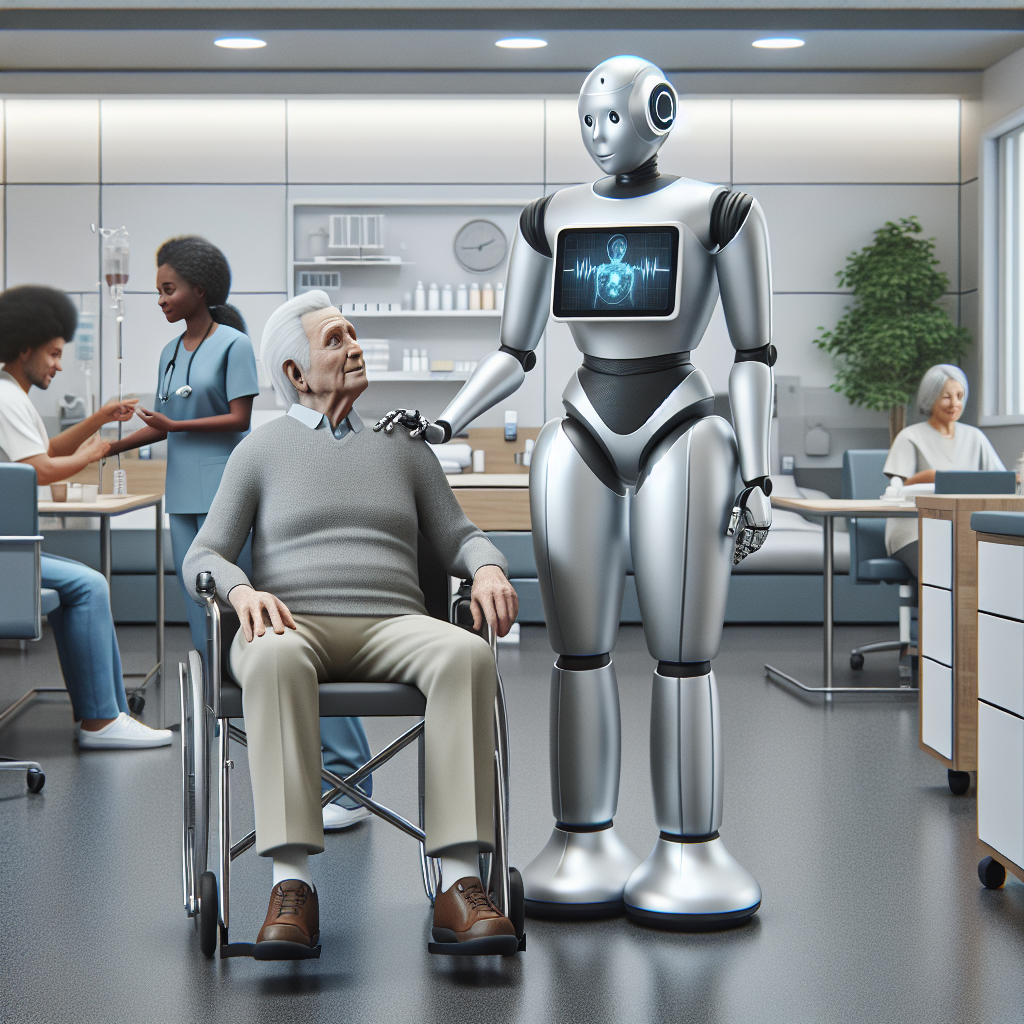
2. Healthcare and Elder Care
Humanoid robots are increasingly used in healthcare to address challenges like staff shortages and an aging population. Applications include:
- Companionship: Robots like Pepper provide emotional support to elderly patients.
- Patient Monitoring: Robots equipped with medical sensors track vital signs and alert caregivers in emergencies.
3. Education and Research
Robots like NAO and ASIMO are being used in classrooms and laboratories to teach programming, robotics, and AI concepts, inspiring the next generation of engineers and researchers.
4. Entertainment and Hospitality
Humanoid robots are revolutionizing customer service in hotels, restaurants, and theme parks. For example:
- Robots like SoftBank’s Pepper greet customers and provide assistance.
- Disney’s animatronic robots enhance immersive experiences in theme parks.
Visual Highlights
The progress in humanoid robotics is not just theoretical—it is visible in groundbreaking prototypes and commercial products. Here are a few notable examples:
- Tesla Optimus: Designed for affordability and scalability, this robot aims to revolutionize labor-intensive industries.
- Unitree G1: A lightweight, high-performance humanoid robot known for its agility.
- Boston Dynamics' Atlas: A demonstration of how far motion dynamics and control systems have come.
Conclusion
Humanoid robotics is no longer confined to the pages of science fiction. With advancements in AI, sensors, and mechanical design, these robots are becoming essential tools in industries ranging from healthcare to manufacturing. While challenges like affordability, reliability, and ethical considerations remain, the future of humanoid robotics is undeniably bright.
As we stand on the brink of a robotic revolution, the question is not whether humanoid robots will transform our world—but how quickly and to what extent. By continuing to innovate and address these challenges, we can unlock the full potential of humanoid robotics to enhance human life.
Related Topics
- Tesla Optimus
- Boston Dynamics Atlas
- AI-powered motion control
- Human-robot interaction