Overview
Humanoid robotics is no longer the realm of science fiction. From performing intricate tasks to assisting in real-world environments, humanoid robots are bridging the gap between human capabilities and machine efficiency. Innovations in artificial intelligence (AI), motion control, and hardware design have propelled this field to new heights, making it one of the most exciting areas in robotics today.
In this blog, we’ll explore the latest advancements in humanoid robotics, highlight groundbreaking examples like Tesla Optimus and Boston Dynamics' Atlas, and discuss their potential to reshape industries ranging from healthcare to manufacturing.
Technology Breakdown
To understand the progress in humanoid robotics, it’s essential to dive into the technologies that make these machines possible:
1. AI-Powered Motion Control
AI has revolutionized how robots move and interact with their environments. AI-powered motion control enables humanoid robots to:
- Adapt to changing surroundings in real time.
- Perform tasks requiring dexterity, such as picking and placing objects or assembling parts.
- Learn new actions through reinforcement learning and imitation.
For example, Tesla's Optimus robot leverages advanced AI to achieve human-like motion and balance, allowing it to navigate complex spaces like warehouses or factories.
2. Sophisticated Sensors and Perception
Modern humanoid robots rely on an array of sensors, including:
- LIDAR and cameras for spatial awareness.
- Tactile sensors to mimic human touch.
- Microphones for sound localization and speech recognition.
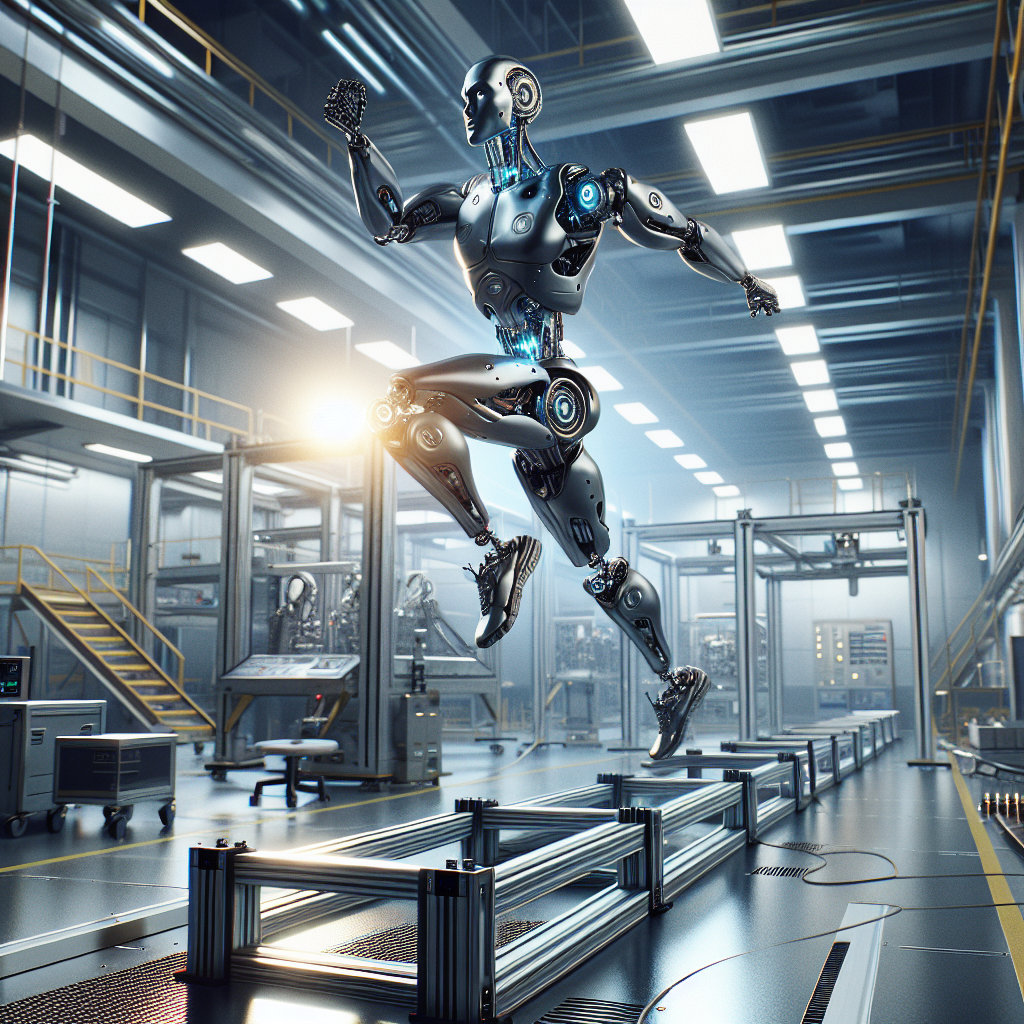
These sensors enable robots to "see," "feel," and "hear" their surroundings, facilitating seamless human-robot interaction. Boston Dynamics’ Atlas robot showcases this by performing backflips and parkour maneuvers with unparalleled precision.
3. Advanced Actuators and Materials
The development of lightweight, high-torque actuators has been a game-changer. Actuators serve as the muscles of a robot, allowing it to move with precision and strength. Coupled with advanced materials like carbon fiber, these actuators make humanoid robots more efficient and durable.
For instance, Unitree Robotics’ G1 robot uses compact actuators to achieve high-speed movement, making it ideal for dynamic tasks in logistics or surveillance.
4. Cloud Connectivity and Edge AI
Cloud computing and edge AI allow robots to process large amounts of data while maintaining low latency. This is crucial for tasks like:
- Coordinating multiple robots in a shared workspace.
- Accessing real-time updates and new capabilities.
- Enhancing decision-making based on shared datasets.
Figure AI is leading in this space by designing humanoid robots that can operate collaboratively in warehouses using cloud-based intelligence.
Industry Impact
The adoption of humanoid robots is already disrupting multiple industries. Let’s examine a few key areas:
1. Healthcare and Elderly Care
Humanoid robots are transforming healthcare by:
- Assisting in patient rehabilitation exercises.
- Performing routine tasks like delivering medications.
- Providing companionship for the elderly.
SoftBank’s Pepper robot has been deployed in hospitals and care homes, offering social interaction and emotional support to patients.
2. Manufacturing and Logistics
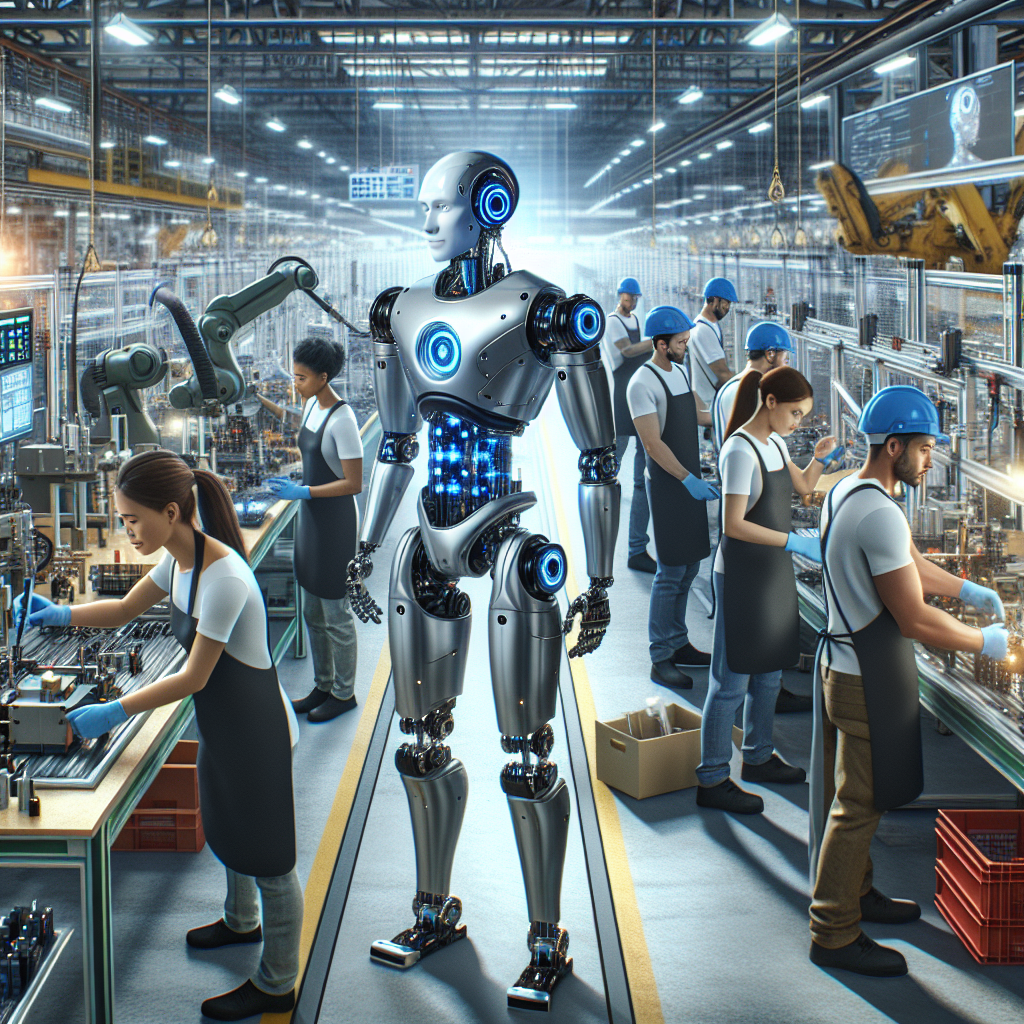
Factories are increasingly adopting humanoid robots for tasks that require precision and adaptability, such as:
- Assembling complex products.
- Transporting goods in dynamic environments.
Tesla Optimus is being designed to handle repetitive tasks on factory floors, reducing labor costs and enhancing efficiency.
3. Public Services and Education
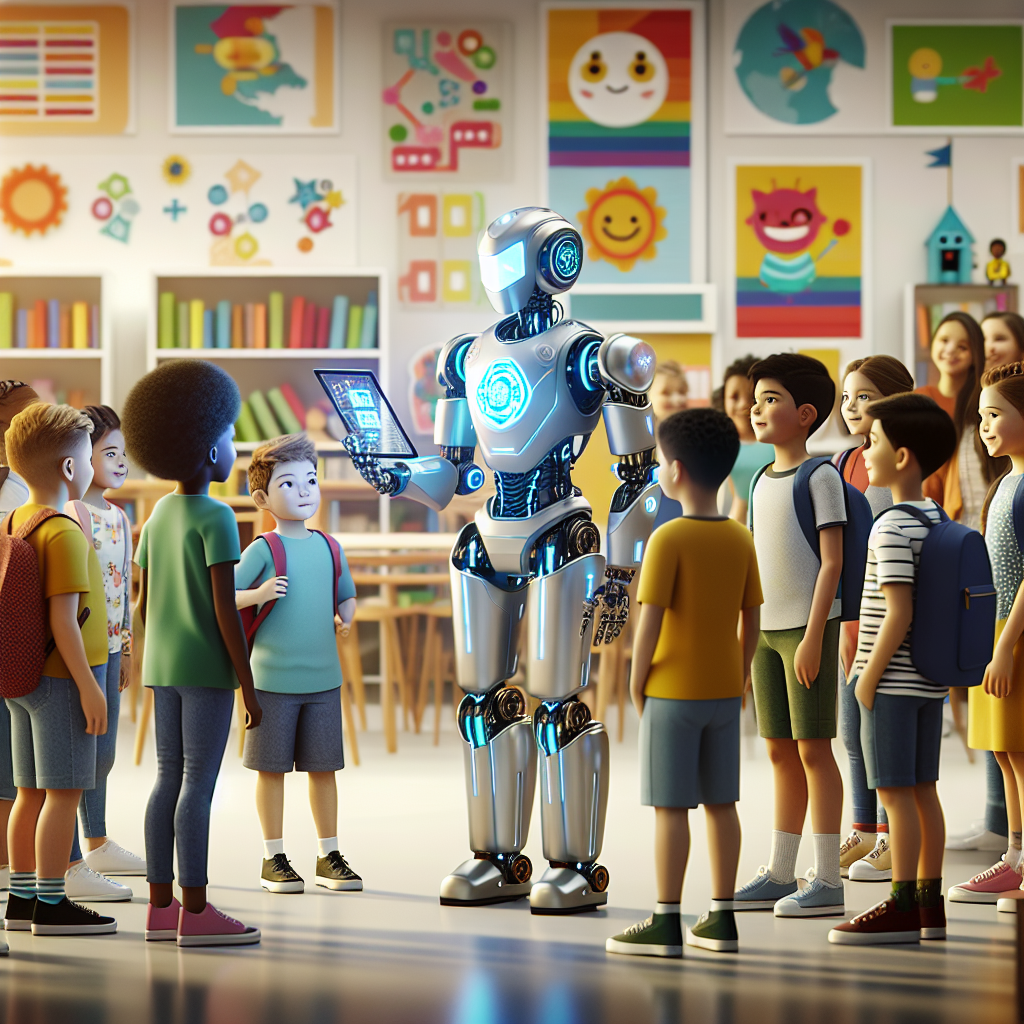
Robots are also making their way into public spaces, where they serve as guides, customer service agents, or educational tools. For example:
- NAO robots are used in classrooms to teach coding and STEM concepts.
- Robots deployed in airports assist travelers with directions and information.
Visual Highlights
Humanoid robots are as visually impressive as they are functional. Here are some iconic moments:
- Boston Dynamics’ Atlas robot nailing a backflip during a live demonstration.
- Tesla Optimus lifting heavy boxes autonomously in its debut video.
- Unitree G1 robots sprinting in synchronization, showcasing their agility.
Conclusion
Humanoid robotics is at the forefront of technological innovation, blending AI, engineering, and design to create machines that complement human capabilities. While challenges like affordability and ethical considerations remain, the potential of these robots to revolutionize industries and improve lives is undeniable.
As we move forward, humanoid robots will play an increasingly vital role in our lives, from solving labor shortages to enhancing our daily interactions. The future is humanoid—and it’s just getting started.
Related Topics
- Tesla Optimus
- Boston Dynamics Atlas
- AI-powered motion control
- Robotics in healthcare