Overview
Humanoid robotics has moved from the pages of science fiction to the forefront of cutting-edge technology. These machines, designed to emulate human form and function, are now tackling real-world challenges across industries such as healthcare, manufacturing, and entertainment. From Tesla's Optimus to Boston Dynamics' Atlas, humanoid robots are becoming smarter, more agile, and capable of working alongside humans in complex environments.
This article explores the technological breakthroughs, industry implications, and future possibilities of humanoid robotics. Whether you're a robotics enthusiast or a seasoned professional, you'll gain insights into the incredible advancements shaping this field.
Technology Breakdown
Humanoid robots combine mechanical engineering, artificial intelligence (AI), and advanced sensors to replicate human abilities. Here's a breakdown of the key components:
1. AI-Powered Control Systems
- Machine Learning (ML): ML algorithms enable robots to learn from data and adapt to new tasks. For instance, Tesla's Optimus robot leverages neural networks for object recognition and motion planning.
- Natural Language Processing (NLP): Many humanoids, like Figure AI's models, use NLP for seamless human-robot interaction, allowing them to understand and respond to verbal commands.
2. Advanced Sensors
- LiDAR and Cameras: These sensors provide 3D perception, helping robots navigate their surroundings and avoid obstacles. Boston Dynamics' Atlas uses a combination of cameras and LiDAR for precise movement.
- Tactile Sensors: Mimicking human touch, tactile sensors help robots perform delicate tasks like gripping fragile objects.
3. Human-Like Actuation and Motion
- Hydraulic Actuators: These provide the power needed for dynamic, lifelike movements, such as running or jumping.
- Electric Motors: Used in robots like Unitree G1, electric motors enable precise control over joint movements, crucial for tasks requiring fine motor skills.
4. Energy Efficiency
Battery technology plays a critical role in making humanoid robots practical for extended use. Innovations in energy-dense batteries and efficient power management systems are enabling longer operational periods.
5. Cloud Integration
Many humanoid robots now rely on cloud-based systems for real-time data processing and updates. This allows them to access vast amounts of information and improve their functionality over time.
Industry Impact
Humanoid robotics is reshaping industries in profound ways. Here are some key sectors witnessing transformation:
1. Healthcare
- Robots like Honda's ASIMO are assisting patients with mobility challenges and performing routine caregiving tasks.
- In surgery, robotic assistants improve precision and reduce human error.
2. Manufacturing
- Humanoid robots are streamlining production lines by performing repetitive tasks more efficiently than humans.
- Their adaptability allows for quick reprogramming, making them ideal for industries with dynamic workflows.
3. Service Industry
- Robots like SoftBank's Pepper are being used in customer service roles, greeting and assisting customers in retail stores and hotels.
- Delivery robots are becoming increasingly common, particularly in urban environments.
4. Entertainment and Education
- Humanoid robots are captivating audiences in theme parks, museums, and even classrooms, where they serve as interactive teaching aids.
- They are also being used in motion capture and animation for movies and video games.
Visual Highlights
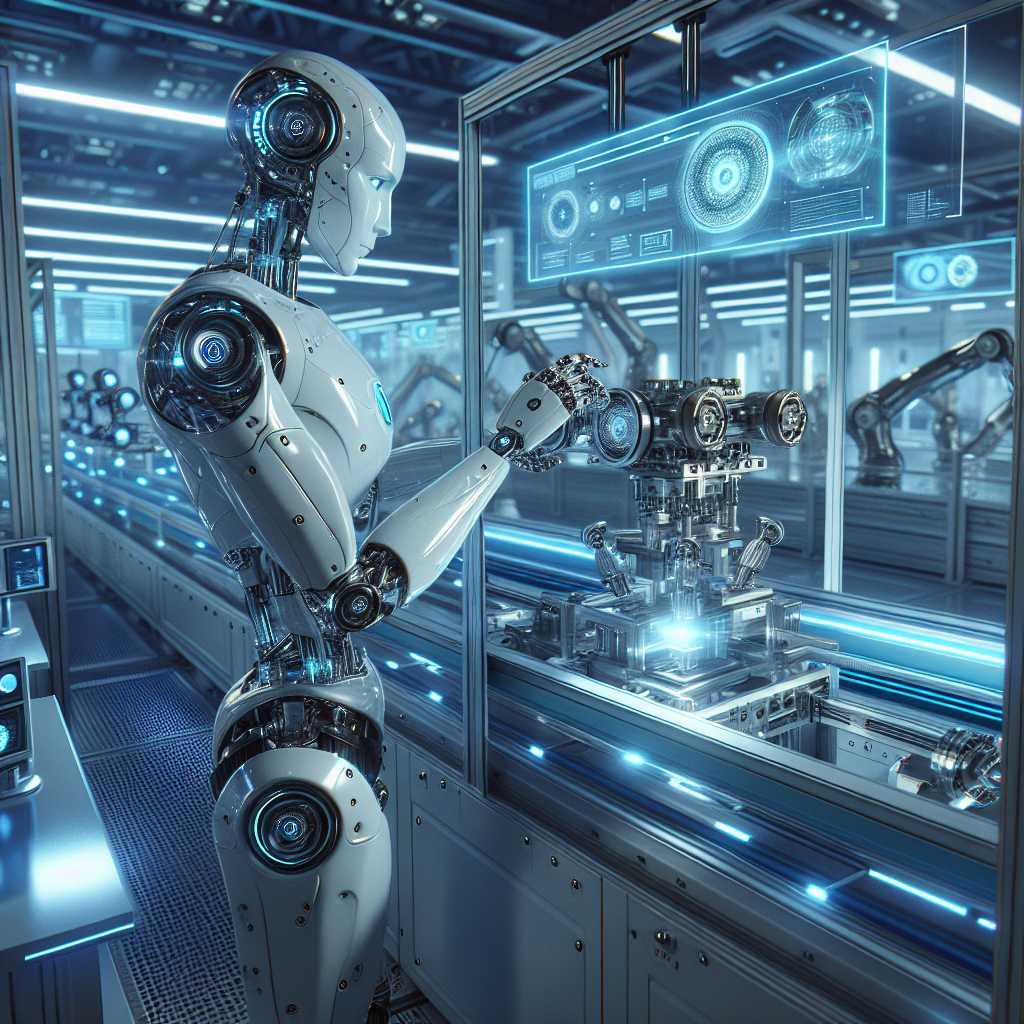
Humanoid robots are not just functional; they are also designed to be visually appealing and relatable. Their human-like appearance and movements foster trust and ease in human-robot interactions. Here's a quick glimpse of the aesthetics and functionality:
- Sleek, futuristic designs with smooth contours.
- Responsive facial expressions and gestures.
- Customizable appearances for specific roles or brand identities.
Conclusion
Humanoid robotics is a rapidly evolving field with the potential to revolutionize how we live and work. From healthcare to manufacturing, these machines are proving their value in diverse applications. As AI and robotics technology continue to advance, the line between humans and machines will blur further, creating opportunities and challenges that society must address.
For enthusiasts and professionals alike, the journey of humanoid robotics is as inspiring as it is transformative. By understanding the technology and its impact, we can better prepare for a future where humans and robots collaborate seamlessly.
Related Topics
- Tesla Optimus
- AI-Powered Robotics
- Boston Dynamics Atlas
- Future of Automation