Overview
Humanoid robotics is no longer a concept confined to the pages of science fiction. With advancements in artificial intelligence (AI), motion control, and material sciences, humanoid robots are becoming increasingly capable of performing complex tasks in industrial, healthcare, and even domestic settings. Companies like Tesla, Boston Dynamics, and Figure AI are leading the charge in creating robots that mimic human capabilities, from walking to object manipulation.
In this blog, we’ll explore the technology powering humanoid robots, their impact on various industries, and what the future holds for this transformative field.
Technology Breakdown
1. Advanced AI Systems
At the core of every humanoid robot lies an advanced AI system. These systems process sensor data, make decisions, and control the robot’s movements. Modern humanoid robots leverage machine learning algorithms to adapt to their environments and improve performance over time.
- Example: Tesla’s Optimus robot utilizes AI similar to Tesla's self-driving technology, enabling it to recognize objects and navigate complex environments.
- AI advancements like natural language processing (NLP) also allow humanoid robots to communicate effectively, making them suitable for customer service roles.
2. Motion Control and Actuation
Motion control is a critical area in humanoid robotics. Robots must replicate human-like movements with precision and fluidity, which requires sophisticated actuators and control systems.
- Boston Dynamics' Atlas is a prime example, showcasing dynamic balance and agility through advanced hydraulic and electric actuators.
- Robotic joints powered by brushless motors and AI algorithms enable movements like running, jumping, and fine motor skills for object manipulation.
3. Sensing and Perception
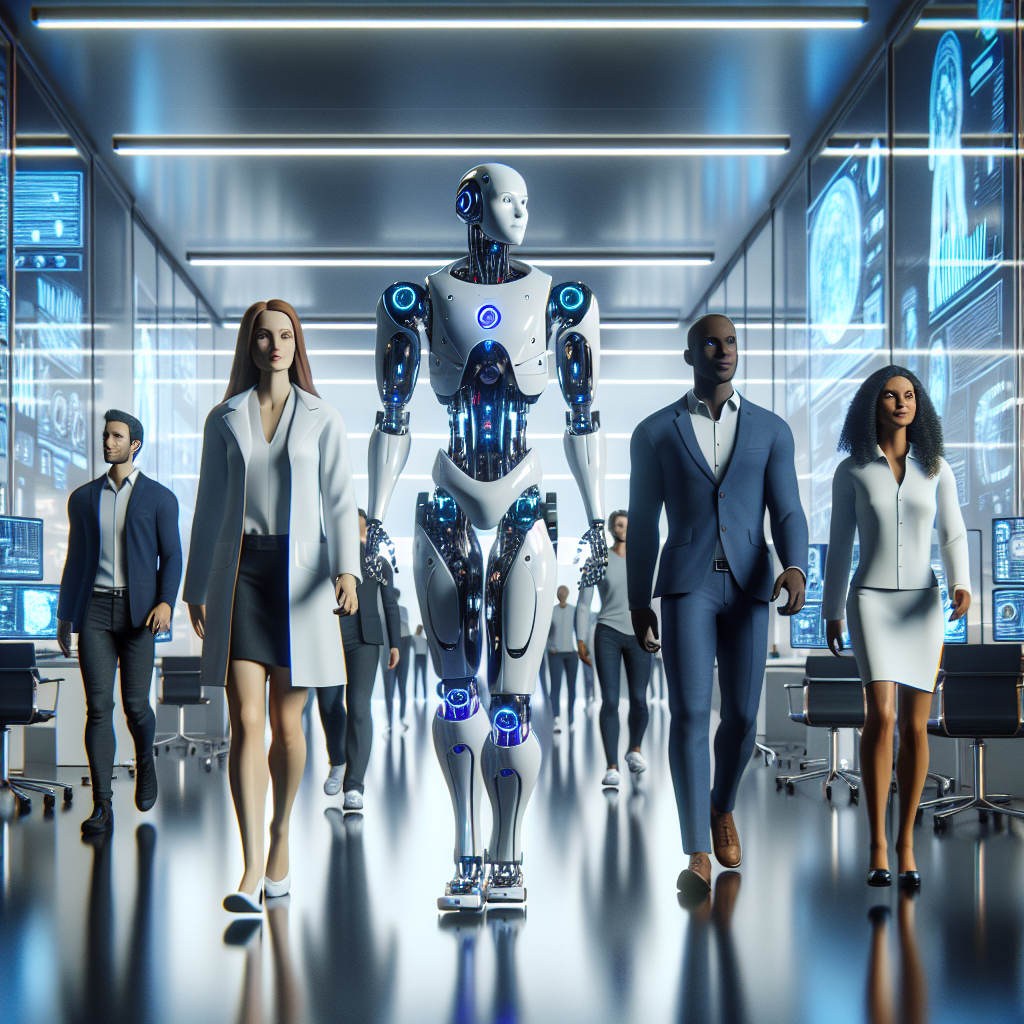
To interact with the world, humanoid robots rely on a suite of sensors, including:
- LiDAR and cameras for spatial awareness.
- Tactile sensors for object manipulation.
- Microphones and speakers for audio input/output.
These sensors work in tandem with AI systems to create a comprehensive understanding of the robot’s surroundings.
4. Materials and Design
Lightweight yet durable materials like carbon fiber and advanced polymers are used to construct humanoid robots. These materials ensure structural integrity while maintaining flexibility and efficiency.
- Companies like Figure AI focus on ergonomic designs that mimic the human form for improved performance in human-centric environments.
Industry Impact
1. Manufacturing and Logistics
Humanoid robots are revolutionizing manufacturing by taking on repetitive or dangerous tasks.
- Example: Tesla Optimus is designed to perform tasks like lifting heavy objects and assembling components in factories, reducing the risk of injury for human workers.
2. Healthcare
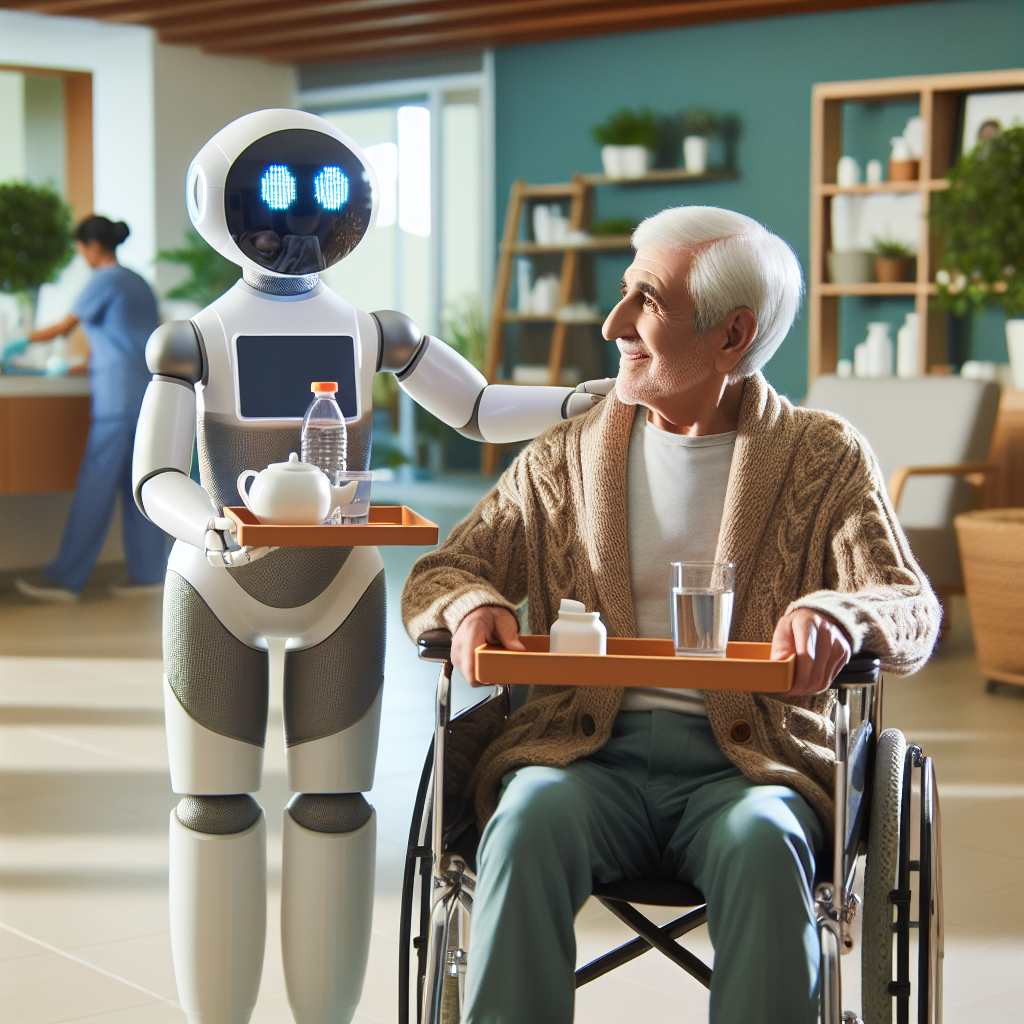
In healthcare, humanoid robots assist with patient care, rehabilitation, and even companionship.
- Robots like SoftBank’s Pepper are being used to engage patients and provide emotional support in eldercare facilities.
- Advanced robots may soon perform surgeries with precision beyond human capability.
3. Customer Service and Retail
Humanoid robots are being deployed in customer-facing roles, offering personalized service and improving operational efficiency.
- Example: Robots in retail stores guide customers, answer queries, and manage inventory.
4. Space Exploration
Humanoid robots are being tested for space missions due to their ability to perform tasks in human-like ways.
- NASA’s Valkyrie robot is designed to assist astronauts in maintaining spacecraft and conducting experiments.
Visual Highlights
Key Features of Modern Humanoid Robots:
- AI-driven adaptability: Robots learn and improve through machine learning.
- Human-like dexterity: Precision in tasks such as assembling small components.
- Seamless interaction: NLP and advanced sensors enable natural communication with humans.
Conclusion
Humanoid robotics is at the forefront of technological innovation, reshaping industries and redefining how we interact with machines. From factory floors to healthcare facilities, these robots are proving their value as collaborators rather than mere tools. As AI and robotic systems continue to advance, the possibilities for humanoid robots are virtually limitless.
The journey of humanoid robotics is just beginning. With companies like Tesla, Boston Dynamics, and Figure AI leading the way, the next decade promises breakthroughs that will bring us closer to a future where humans and robots work seamlessly side by side.
Related Topics
- Tesla Optimus
- Boston Dynamics Atlas
- AI-powered motion control
- Robotics in healthcare