Overview
Humanoid robotics has moved beyond science fiction to become a transformative force in the real world. These robots, designed to resemble and mimic human actions, are equipped with advanced artificial intelligence (AI), mobility systems, and sensory capabilities. From Tesla's Optimus to Boston Dynamics' Atlas, humanoid robots are shaping industries like manufacturing, healthcare, and logistics.
In this blog, we’ll explore the technology behind humanoid robots, their applications, and how they’re redefining the future of robotics.
Technology Breakdown
Humanoid robots integrate cutting-edge technology to achieve human-like functionality. Here are the key components:
1. Artificial Intelligence
AI is the brain of humanoid robots, enabling them to:
- Process complex environments using machine learning.
- Recognize objects, faces, and speech through computer vision.
- Make decisions in real-time using advanced algorithms.
For example, Tesla Optimus leverages AI to analyze and interact with its surroundings, making it capable of performing repetitive tasks in factories.
2. Actuators and Mobility Systems
Mobility is crucial for humanoid robots. They use:
- Electric actuators for smooth and precise movements.
- Sensors to maintain balance and adapt to uneven terrain.
- Dynamic control systems to mimic human-like walking and running.
Boston Dynamics’ Atlas showcases these capabilities by performing backflips and parkour, demonstrating exceptional agility.
3. Human-Robot Interaction (HRI)
Humanoid robots are designed to interact seamlessly with humans. Features include:
- Voice recognition and natural language processing (NLP).
- Gesture and expression detection for non-verbal communication.
- Intuitive touch interfaces for direct control.
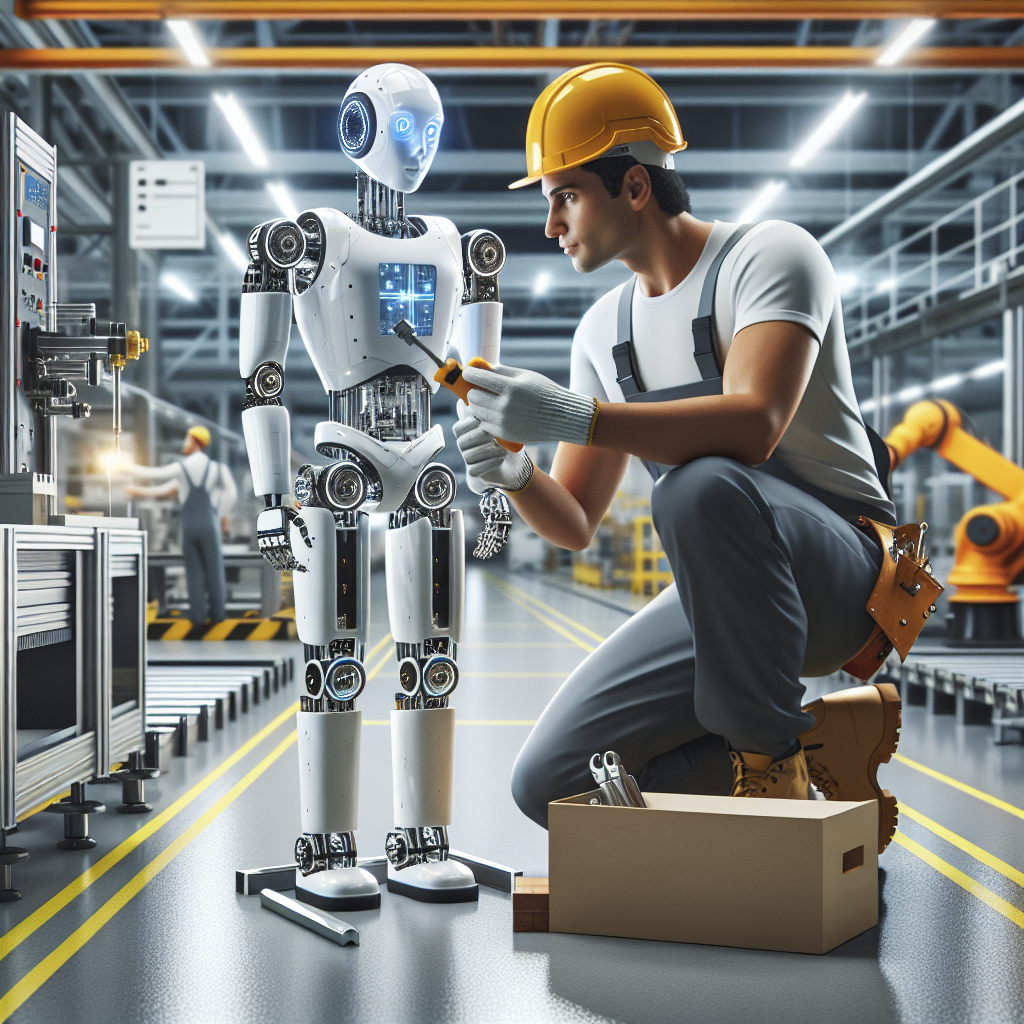
For instance, Figure AI focuses on creating humanoid robots that can collaborate with humans in industrial settings.
Industry Impact
Humanoid robots are disrupting multiple industries by offering innovative solutions. Here’s how:
1. Manufacturing and Logistics
Humanoid robots are revolutionizing production lines and warehouses by:
- Automating repetitive, labor-intensive tasks.
- Working alongside human employees to improve efficiency.
- Handling hazardous materials to ensure workplace safety.
Tesla’s Optimus is a prime example, designed to streamline production processes and reduce human workload in Tesla factories.
2. Healthcare
In healthcare, humanoid robots assist with:
- Patient care, such as lifting and transferring patients.
- Rehabilitation therapy, offering customized physical exercises.
- Companionship for elderly individuals to combat loneliness.
SoftBank’s Pepper robot has already been deployed in hospitals to interact with patients and provide emotional support.
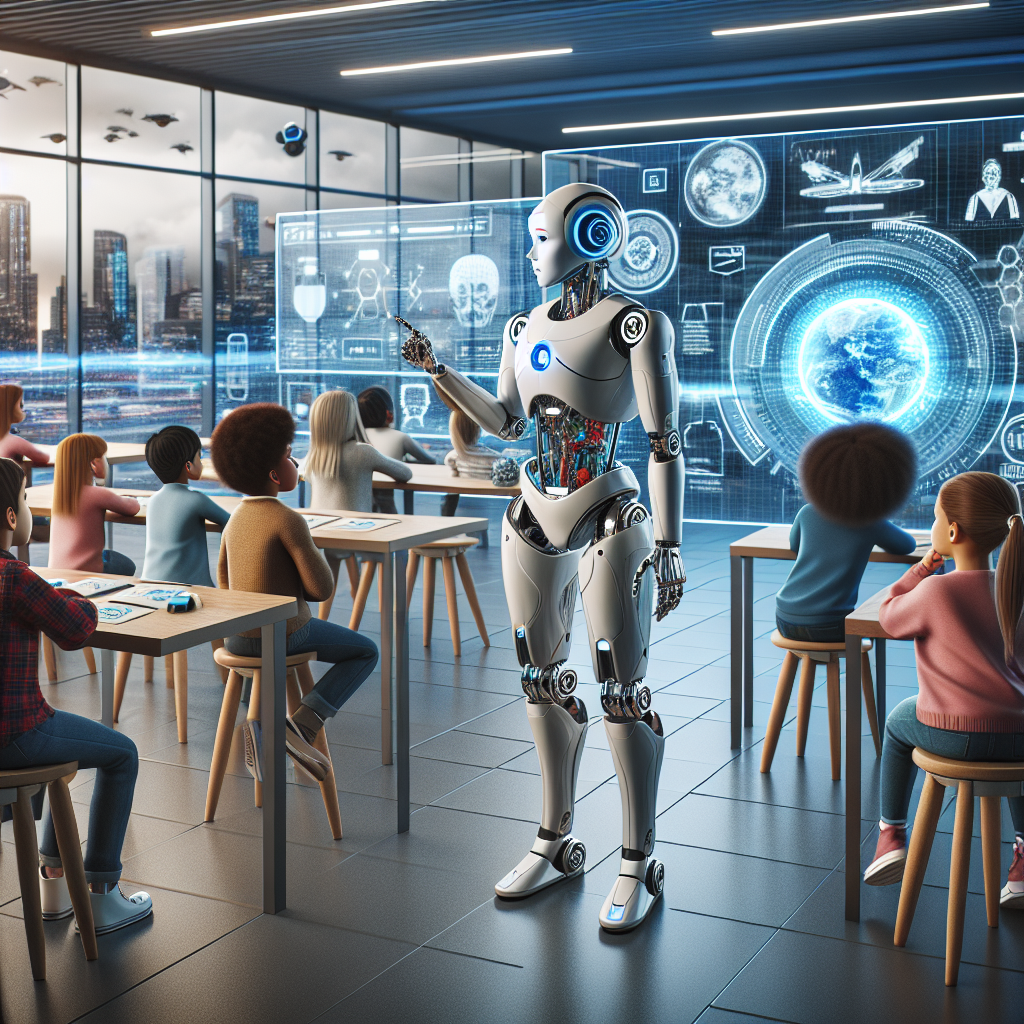
3. Education and Research
Educational institutions and research labs use humanoid robots to:
- Teach STEM concepts through interactive learning.
- Simulate human behaviors for psychological studies.
- Push the boundaries of AI and robotics research.
4. Entertainment and Hospitality
Humanoid robots are becoming a novelty in:
- Theme parks and exhibitions, entertaining guests with their lifelike performances.
- Hotels, where they serve as receptionists or concierge staff.
- Events, acting as brand ambassadors or guides.
Visual Highlights
Humanoid robotics is as visually fascinating as it is technologically advanced. Here are some scenes that showcase their potential:
- Robots walking alongside humans in a modern office.
- A humanoid robot demonstrating dexterity by assembling a complex object.
- Robots performing synchronized tasks in a warehouse.
Conclusion
The rapid advancements in humanoid robotics are paving the way for a future where humans and robots coexist and collaborate seamlessly. These machines not only replicate human abilities but also enhance productivity, safety, and innovation across industries.
As we continue to refine humanoid robotics technology, the potential applications are virtually limitless. From manufacturing floors to hospital wards, humanoid robots are more than just tools—they’re partners in progress.
Stay tuned as humanoid robotics evolves, and don’t forget to explore the latest developments here at HumanoidHub.ai!
Related Topics
- Tesla Optimus
- Boston Dynamics Atlas
- AI-powered Robotics
- Human-Robot Interaction