Build a Raspberry Pi Robot Buggy - Online Course - FutureLearn
Build and program your first robot buggy using a Raspberry Pi, learning how to connect motors, add sensors and write algorithms. 7,294 enrolled on this course.

Before you start
- Basic Python familiarity
- Comfort with algebra or calculus basics
- Interest in robotics systems
About this guide
Build and program your first robot buggy using a Raspberry Pi, learning how to connect motors, add sensors and write algorithms. 7,294 enrolled on this course.
Common questions
What will I learn in Build a Raspberry Pi Robot Buggy - Online Course - FutureLearn?
Build and program your first robot buggy using a Raspberry Pi, learning how to connect motors, add sensors and write algorithms. 7,294 enrolled on this course.
Is Build a Raspberry Pi Robot Buggy - Online Course - FutureLearn free?
HumanoidHub has not verified public pricing for this guide. Open FutureLearn for the current access terms before enrolling.
Do I need any prerequisites?
Recommended prep: Basic Python familiarity; Comfort with algebra or calculus basics; Interest in robotics systems.
How long does it take?
Self-paced (provider defined). Most learners complete this guide in self-directed sessions over a few weeks.
Does it offer a certificate?
This guide does not include a formal certificate. Focus is on the learning material itself.
Related guides

Industrial Robotics
Image 3Preview this course # Industrial Robotics Mathematical models and practical applications Created byFabrizio Frigeni Last updated 9/2019 English Image 4Preview this course Purchase options Subscribe and save From$13.00/month Access to 28,000+ top-rated courses Cancel anytime

Machine Learning | Blog Archives | Page 6 Of 6 | Udacity
Udacity transforms talent and changes lives through digital upskilling. Learn to overcome digital talent gaps with our resources on Machine Learning
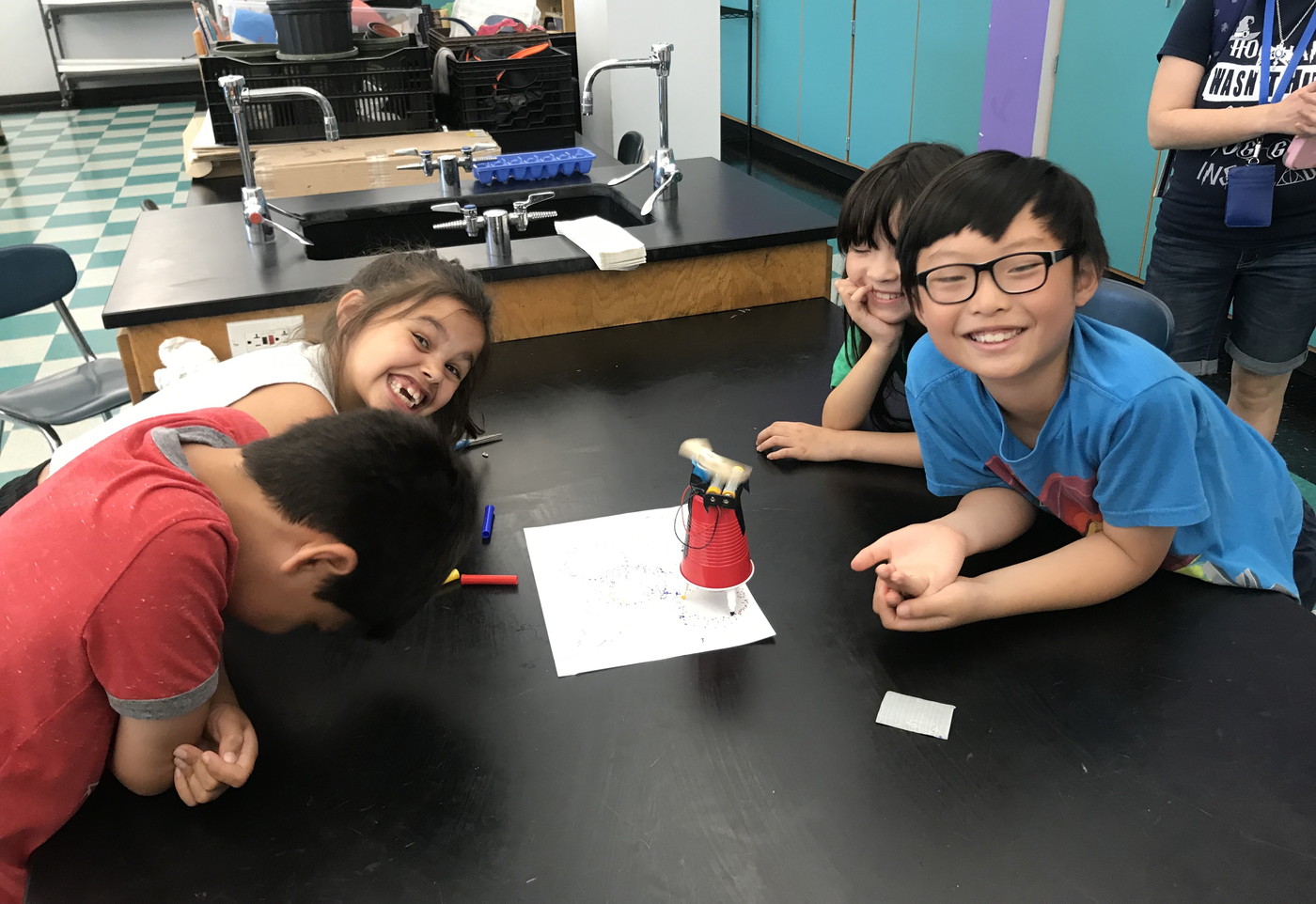
MIT launches AI Education website – MIT Media Lab
We understand that now, more than ever, the democratization of online learning is crucial to the success of students all around the world.

ROS For Beginners (ROS Noetic, Melodic, Kinetic) - Udemy
Master ROS basics, create, build, run, and debug your ROS program, master ROS core functionalities, learn ROS best practices to make your application readable
What are Robotics? | Stanford HAI
Robotics is the field that combines engineering and computer science, and now often artificial intelligence, to design and build machines capable of performing physical tasks. When integrated with AI, robots can perceive their surroundings, make decisions, and adapt to new situations without explici

2.12: Introduction to Robotics | MIT Department of Mechanical Engineering
“This course is an introduction,” says instructor Professor Harry Asada. “We don’t assume anything about the students’ backgrounds. We just assume we share one thing in common: a love of complex motion. Motion is important in any area of mechanical engineering, but it’s particularly important in rob
Robots that use these skills

AiNex ROS Education AI Vision Humanoid Robot
Hiwonder
AiNex is a compact ROS-enabled educational humanoid robot from Hiwonder with an HD camera for AI vision experiments.

1X EVE
1X Technologies
1X EVE is a wheeled humanoid robot from 1X Technologies aimed at mobile service work in institutional and industrial settings.
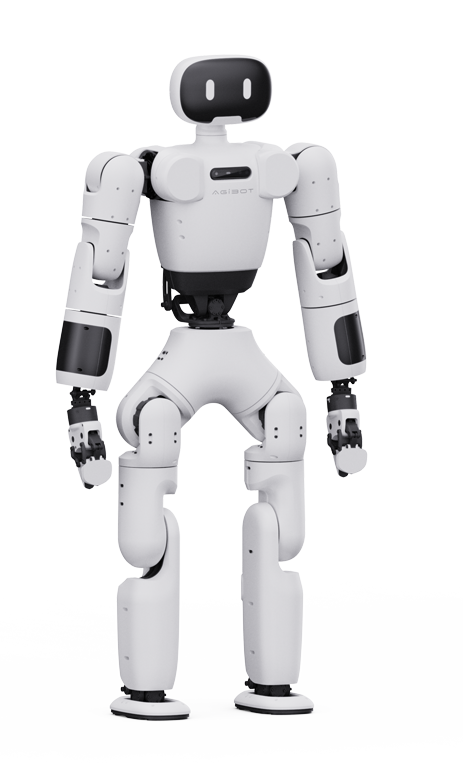
AgiBot X1
AgiBot
AgiBot X1 is a 130 cm, 33 kg open-source humanoid platform with 34 DOF for research and education.
Refer a learner and get early access to our paid pathways and 1:1 mentorship pilot.
Join referral listNew robots, funding, and signals. Every Thursday.
Unsubscribe anytime.