CS 326 - Topics in Advanced Robotic Manipulation
proposal and preparing the paper for a peer-reviewed conference submission (actual submission is not required). Expected Learning Outcomes As part of this course, students will: 1. Obtain a broad fundamental understanding of concepts in autonomous, robotic manipulation. 2. Read, review and critique technical papers, de

Before you start
- Basic Python familiarity
- Comfort with algebra or calculus basics
- Interest in robotics systems
About this guide
proposal and preparing the paper for a peer-reviewed conference submission (actual submission is not required). Expected Learning Outcomes As part of this course, students will: 1. Obtain a broad fundamental understanding of concepts in autonomous, robotic manipulation. 2. Read, review and critique technical papers, design a tutorial, present a tutorial and debate once for the Pro and Con side (assessed by written reviews, course presentation and debates). 3. Become familiar with the open [...
Common questions
What will I learn in CS 326 - Topics in Advanced Robotic Manipulation?
proposal and preparing the paper for a peer-reviewed conference submission (actual submission is not required). Expected Learning Outcomes As part of this course, students will: 1. Obtain a broad fundamental understanding of concepts in autonomous, robotic manipulation. 2. Read,
Is CS 326 - Topics in Advanced Robotic Manipulation free?
HumanoidHub has not verified public pricing for this guide. Open Stanford Online for the current access terms before enrolling.
Do I need any prerequisites?
Recommended prep: Basic Python familiarity; Comfort with algebra or calculus basics; Interest in robotics systems.
How long does it take?
1 hours total. Most learners complete this guide in self-directed sessions over a few weeks.
Does it offer a certificate?
This guide does not include a formal certificate. Focus is on the learning material itself.
Related guides

Expanding on Tutorials | MIT Learn
<p>Kyle Keane talks about the logistics and purpose of expanding on tutorials, and how this is related to creating, inventing, and learning.
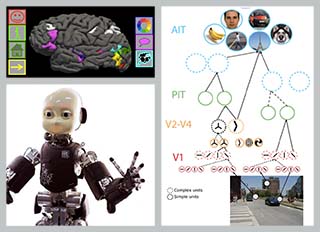
Large-Scale Incremental Learning for Robotics | Brains, Minds and Machines Summer Course | Brain and Cognitive Sciences
This resource contains information regarding brains, minds and machines summer course: Lec8-6.

Ch. 1 - Introduction - Robotic Manipulation
In the previous exercise, you manually set up a simulation by creating a `DiagramBuilder`, adding a `MultibodyPlant` and `SceneGraph`, loading robots, and wiring everything together. In this exercise, you will learn to use `HardwareStation` and model directives specified in `YAML` configuration file
Underactuated Robotics
course is to help you discover this structure, and to learn how to use this structure to develop stronger algorithms and to guide your scientific endeavors into learning-based control. [...] Today, the conversations about reinforcement learning (RL) are loud and passionate enough to drown out almost

A faster way to teach a robot
A new technique enables a human to efficiently fine-tune a robot that failed to complete a desired task with very little effort on the part of the human. Their system uses algorithms, counterfactual explanations, and feedback from the user to generate synthetic data it uses to quickly fine-tune the
CS223A - Introduction to Robotics
The purpose of this course is to introduce you to basics of modeling, design, planning, and control of robot systems. In essence, the material treated in this course is a brief survey of relevant results from geometry, kinematics, statics, dynamics, and control. [...] The course is presented in a standard format of lectures, readings and problem sets. There will be an in-class midterm and final examination. These examinations will be open book. Lectures will be based mainly, but not exclusively,
Robots that use these skills

1X EVE
1X Technologies
1X EVE is a wheeled humanoid robot from 1X Technologies aimed at mobile service work in institutional and industrial settings.
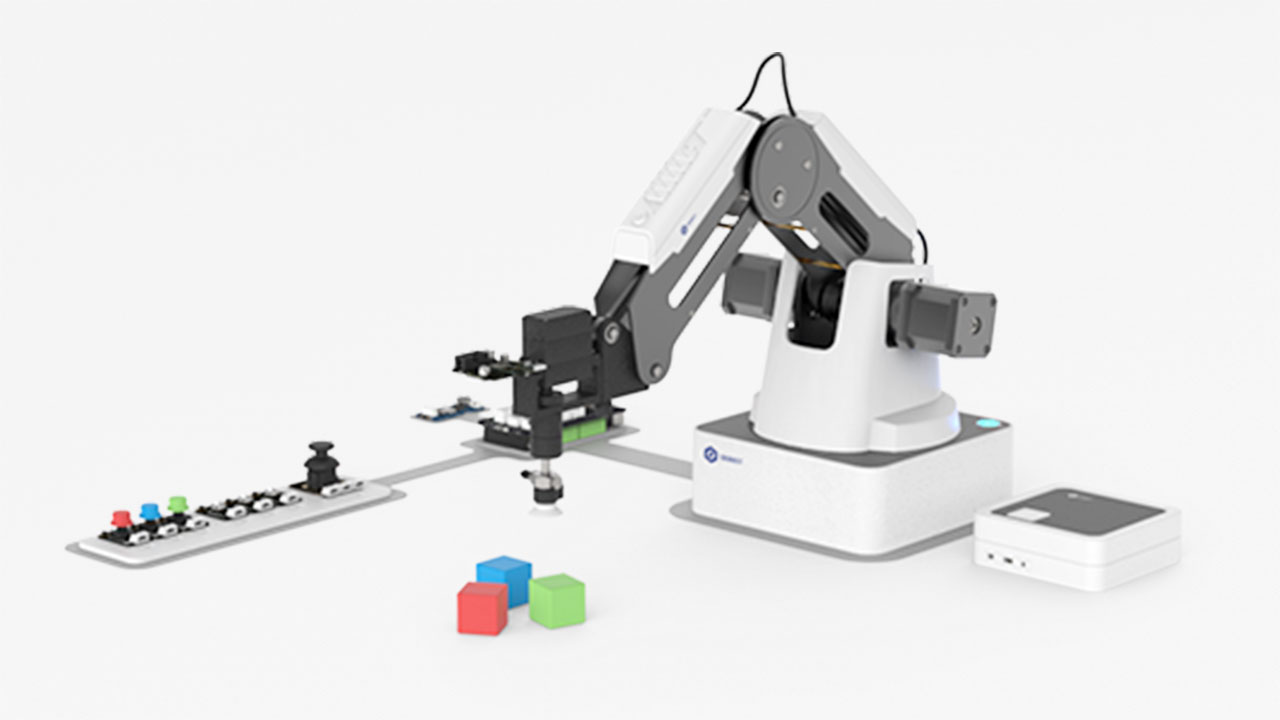
Atom Max
Dobot Robotics
DOBOT ATOM is Dobot Robotics’ first full-size humanoid robot aimed at embodied AI research and cross-scenario industrial/commercial task automation.

DRC-Hubo
HUBO
DRC-HUBO is a transformable humanoid disaster-response robot that won the DARPA Robotics Challenge Finals 2015.
Refer a learner and get early access to our paid pathways and 1:1 mentorship pilot.
Join referral listNew robots, industry moves, and funding in your weekly robotics briefing.
Unsubscribe anytime.