[PDF] Real-Time Interactive Reinforcement Learning for Robots
Particularly, we believe that the transparency of the learner’s internal process is paramount to the success of the tutorial dialog. However, a fine balance must be struck be-tween engulfing the human teacher with all pertinent infor-mation, and leaving them in the dark. A central goal of the presente

Before you start
- Basic Python familiarity
- Comfort with algebra or calculus basics
- Interest in robotics systems
About this guide
Particularly, we believe that the transparency of the learner’s internal process is paramount to the success of the tutorial dialog. However, a fine balance must be struck be-tween engulfing the human teacher with all pertinent infor-mation, and leaving them in the dark. A central goal of the presented architecture is the in-vestigation of transparency mechanisms that are intuitive for untrained human coaches of machine learning robotic agents. [...] References Argyle, M.; Ingham, R.; and McCallin
Common questions
What will I learn in [PDF] Real-Time Interactive Reinforcement Learning for Robots?
Particularly, we believe that the transparency of the learner’s internal process is paramount to the success of the tutorial dialog. However, a fine balance must be struck be-tween engulfing the human teacher with all pertinent infor-mation, and leaving them in the dark. A central
Is [PDF] Real-Time Interactive Reinforcement Learning for Robots free?
HumanoidHub has not verified public pricing for this guide. Open MIT OpenCourseWare for the current access terms before enrolling.
Do I need any prerequisites?
Recommended prep: Basic Python familiarity; Comfort with algebra or calculus basics; Interest in robotics systems.
How long does it take?
Self-paced (provider defined). Most learners complete this guide in self-directed sessions over a few weeks.
Does it offer a certificate?
This guide does not include a formal certificate. Focus is on the learning material itself.
Related guides

A faster way to teach a robot
A new technique enables a human to efficiently fine-tune a robot that failed to complete a desired task with very little effort on the part of the human. Their system uses algorithms, counterfactual explanations, and feedback from the user to generate synthetic data it uses to quickly fine-tune the

Expanding on Tutorials | MIT Learn
<p>Kyle Keane talks about the logistics and purpose of expanding on tutorials, and how this is related to creating, inventing, and learning.
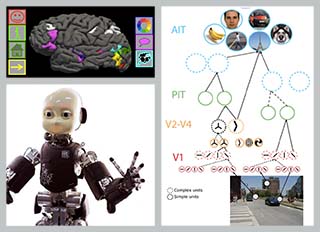
Unit 8. Robotics | Brains, Minds and Machines Summer Course | Brain and Cognitive Sciences
This page summarizes the unit topic and activities, and links to lecture videos, notes and further study resources.
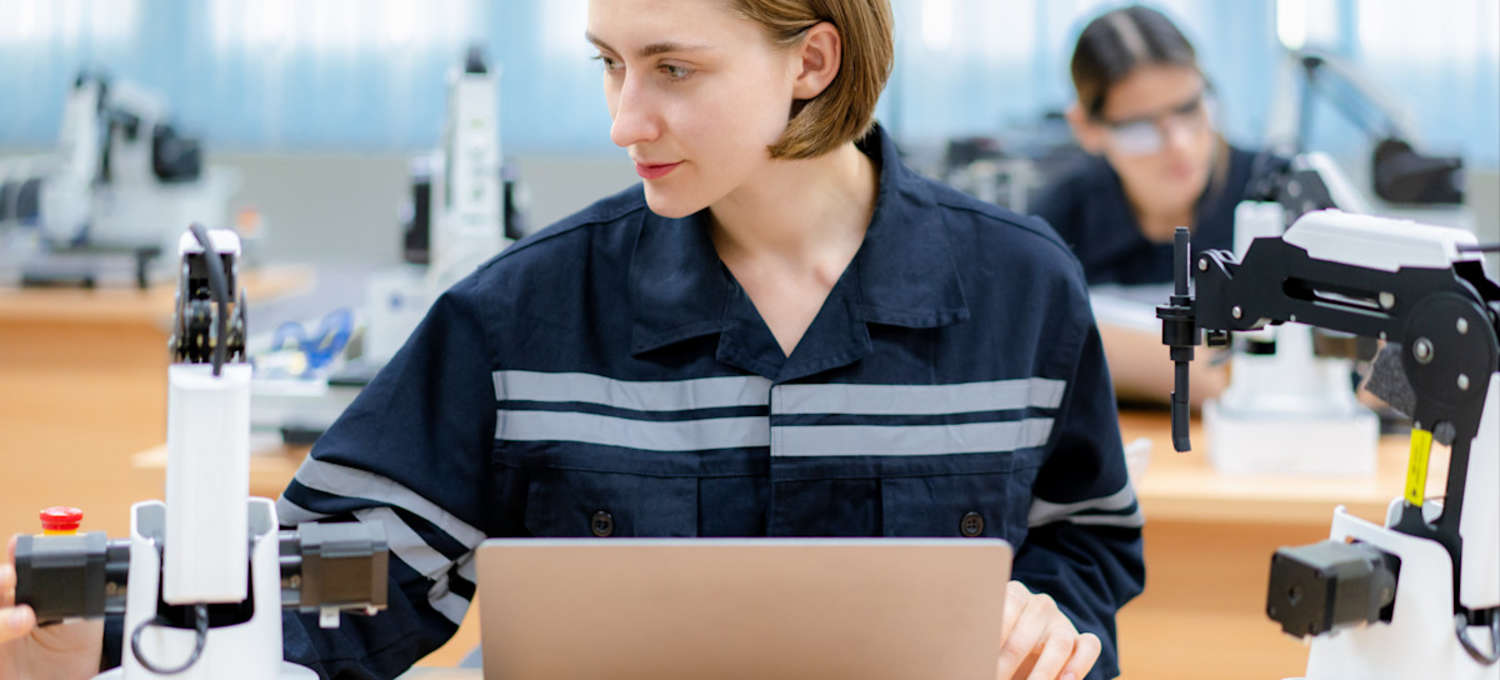
What Is Robotics?
Get a clear answer to the question, “What is robotics?” Then, learn more information about robots and robotics, including how you can turn robotics into a career.
[PDF] Children, Humanoid Robots and Caregivers - MIT CSAIL
Conclusions This paper described a framework for developmental object perception and learning on a humanoid robot, which aims at teaching humanoids as children. We described algorithms to learn about the robot’s self appearance and its surrounding world. The epige-netic principle established the fou
[PDF] Foundations for a Theory of Mind for a Humanoid Robot - Research
• Chapter 8 : Detecting Faces and Head Pose One final primitive perceptual process will be required. The robot will need to find human faces in the visual scene and to extract the orientation of the head as a measurement of where that person is attending. This orientation direction will be used later
Robots that use these skills
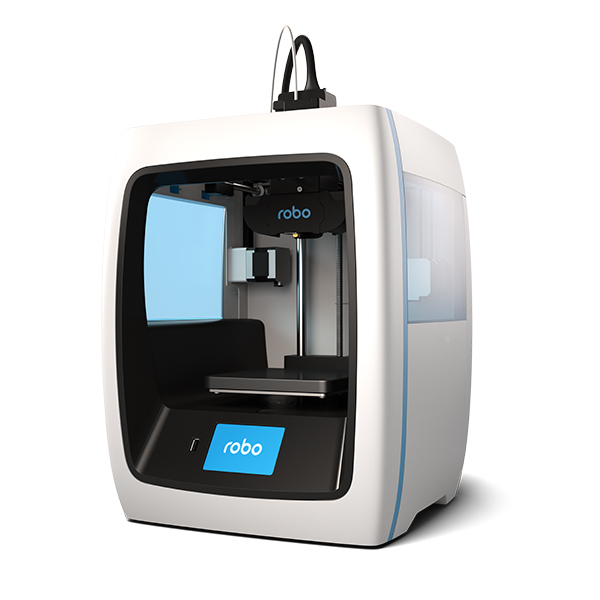
Robo-C 2
Promobot
Robo-C 2 is a human-shaped service robot by Promobot designed for interactive front-desk and exhibition scenarios.

SE01 Humanoid Robot
EngineAI
EngineAI SE01 is a full-size bipedal humanoid focused on smooth, human-like gait for research and industrial applications.

ARI
PAL Robotics
ARI is a human-size wheeled service robot from PAL Robotics for human–robot interaction in public spaces and labs.
Refer a learner and get early access to our paid pathways and 1:1 mentorship pilot.
Join referral listNew robots, industry moves, and funding in your weekly robotics briefing.
Unsubscribe anytime.