Robotics and Autonomous Systems Graduate Certificate | Program
What happens when we take robots out of the lab and into the real world? How do we create autonomous systems to interact seamlessly with humans and safely navigate an ever-changing, uncertain world? In the Robotics and Autonomous Systems Graduate Program you will learn the methods and algorithms use

Before you start
- Basic Python familiarity
- Comfort with algebra or calculus basics
- Interest in robotics systems
About this guide
What happens when we take robots out of the lab and into the real world? How do we create autonomous systems to interact seamlessly with humans and safely navigate an ever-changing, uncertain world? In the Robotics and Autonomous Systems Graduate Program you will learn the methods and algorithms used to design robots and autonomous systems that interact safely and effectively in dynamic environments.
Common questions
What will I learn in Robotics and Autonomous Systems Graduate Certificate | Program?
What happens when we take robots out of the lab and into the real world? How do we create autonomous systems to interact seamlessly with humans and safely navigate an ever-changing, uncertain world? In the Robotics and Autonomous Systems Graduate Program you will learn the method
Is Robotics and Autonomous Systems Graduate Certificate | Program free?
HumanoidHub has not verified public pricing for this guide. Open Stanford Online for the current access terms before enrolling.
Do I need any prerequisites?
Recommended prep: Basic Python familiarity; Comfort with algebra or calculus basics; Interest in robotics systems.
How long does it take?
5 hours total. Most learners complete this guide in self-directed sessions over a few weeks.
Does it offer a certificate?
This guide does not include a formal certificate. Focus is on the learning material itself.
Related guides
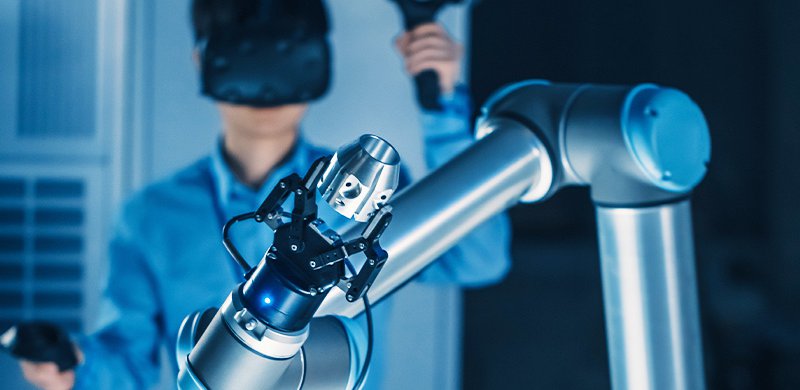
MIT xPRO | Robotics Essentials
MiT xPRO's Robotics Essentials program provides you with the knowledge and resources to identify basic robotic subsystems, evaluate human-robot interactions, and analyze challenges to the implementation of robotic systems. This program is an ideal launchpad if you want to chart a path in full-s

Explore the world of artificial intelligence with online courses from MIT | Open Learning
# Explore the world of artificial intelligence with online courses from MIT | Open Learning Skip to main content Search Image 1: Open Learning ## Main navigation For Learners & Organizations For MIT Faculty About us For OL Employees News Events ## Main Nav Buttons Give S

Learn Robotics | AIoT, Sensor Fusion & Embedded Systems
Explore robotics, AIoT, sensor fusion, and embedded systems. Build smart, connected machines that adapt, learn, and drive the future of autonomous technology.

Robotics: Fundamentals and Kinematic Modeling (Part 1) - Udemy
By integrating theory with practical applications, this course equips learners with the essential skills to model robotic manipulators mathematically, understand their kinematic behavior, and prepare for more advanced topics such as robot dynamics, control, and motion planning. It is ideal for engin
What are Robotics? | Stanford HAI
Robotics is the field that combines engineering and computer science, and now often artificial intelligence, to design and build machines capable of performing physical tasks. When integrated with AI, robots can perceive their surroundings, make decisions, and adapt to new situations without explici
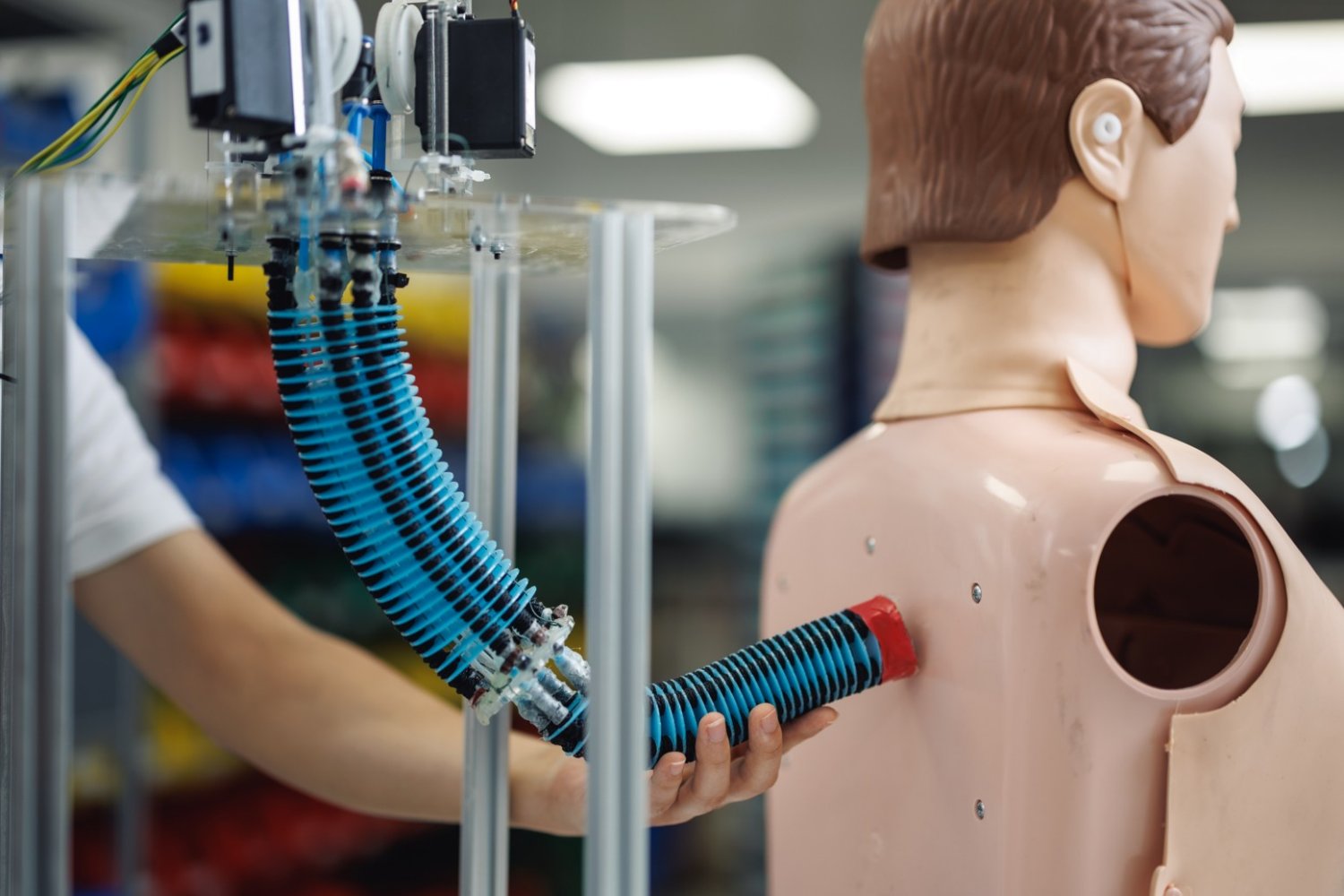
A neural blueprint for human-like intelligence in soft robots
A new AI control system enables soft robotic arms to learn a wide repertoire of motions and tasks once, then adjust to new scenarios on the fly without needing retraining or sacrificing functionality. The work was co-led by researchers at the Singapore-MIT Alliance for Research and Technology (SMART
Robots that use these skills
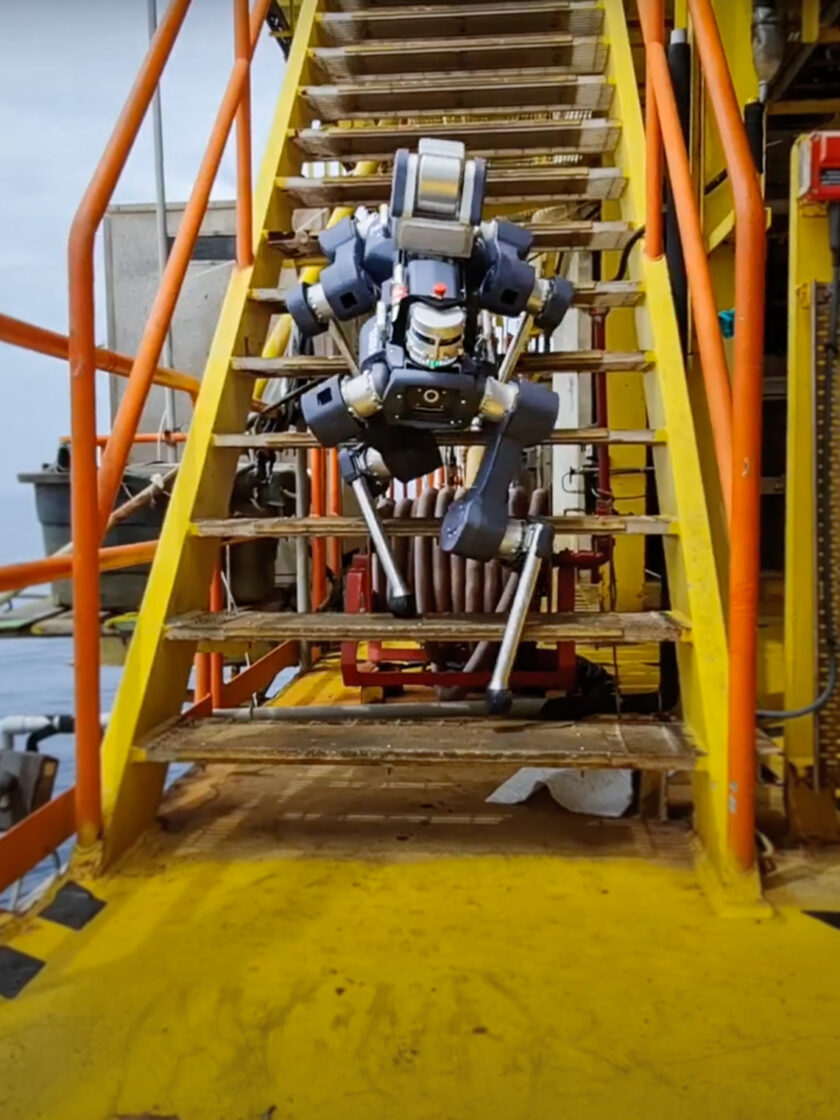
ANYmal X
ANYbotics
ANYmal X is an ATEX/IECEx-certified quadruped inspection robot from ANYbotics for operation in explosive industrial zones.
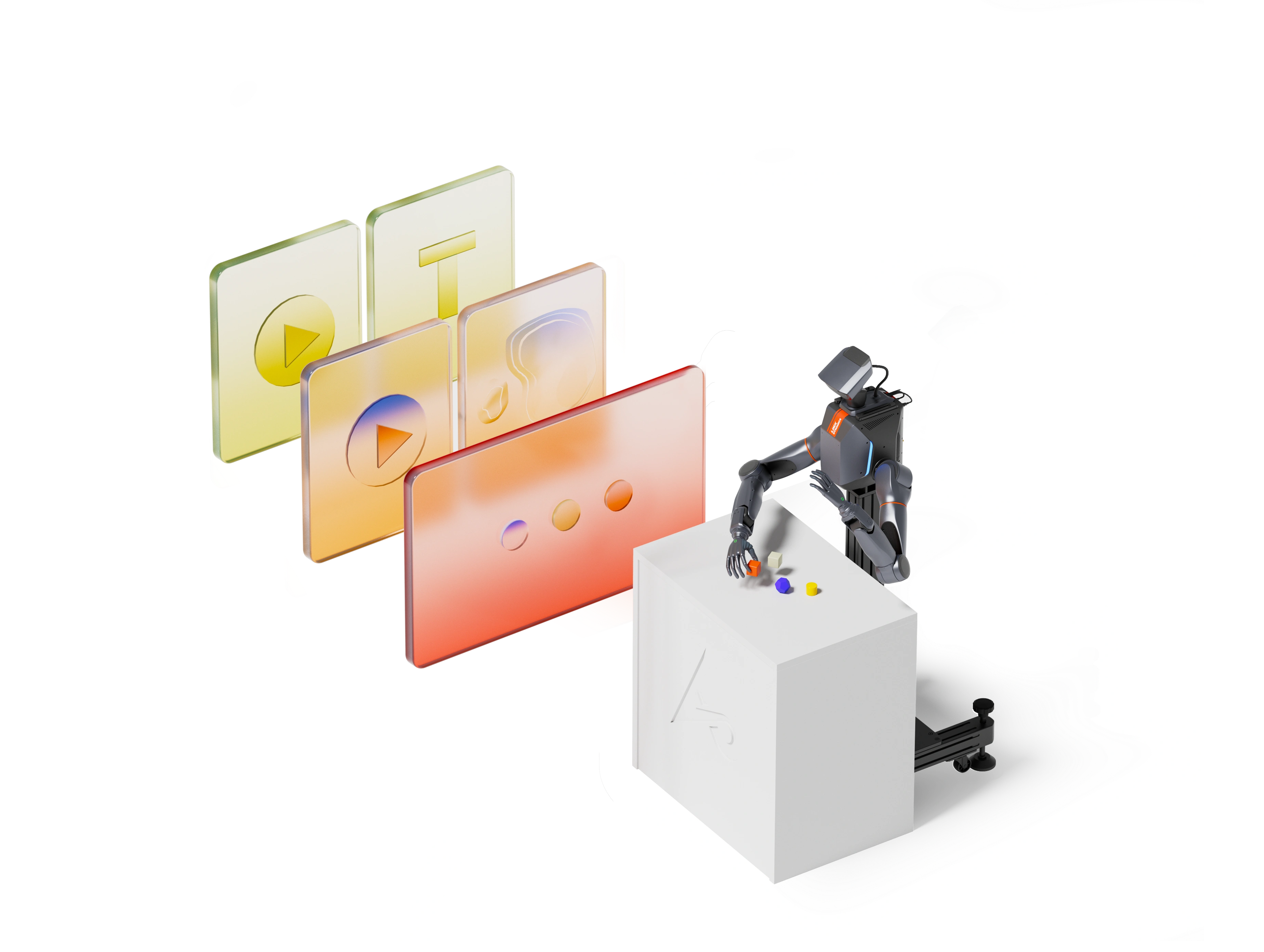
CL-1 Humanoid Robot
LimX Dynamics
CL-1 is a bipedal humanoid robot platform by LimX Dynamics intended for R&D and real-world automation trials.
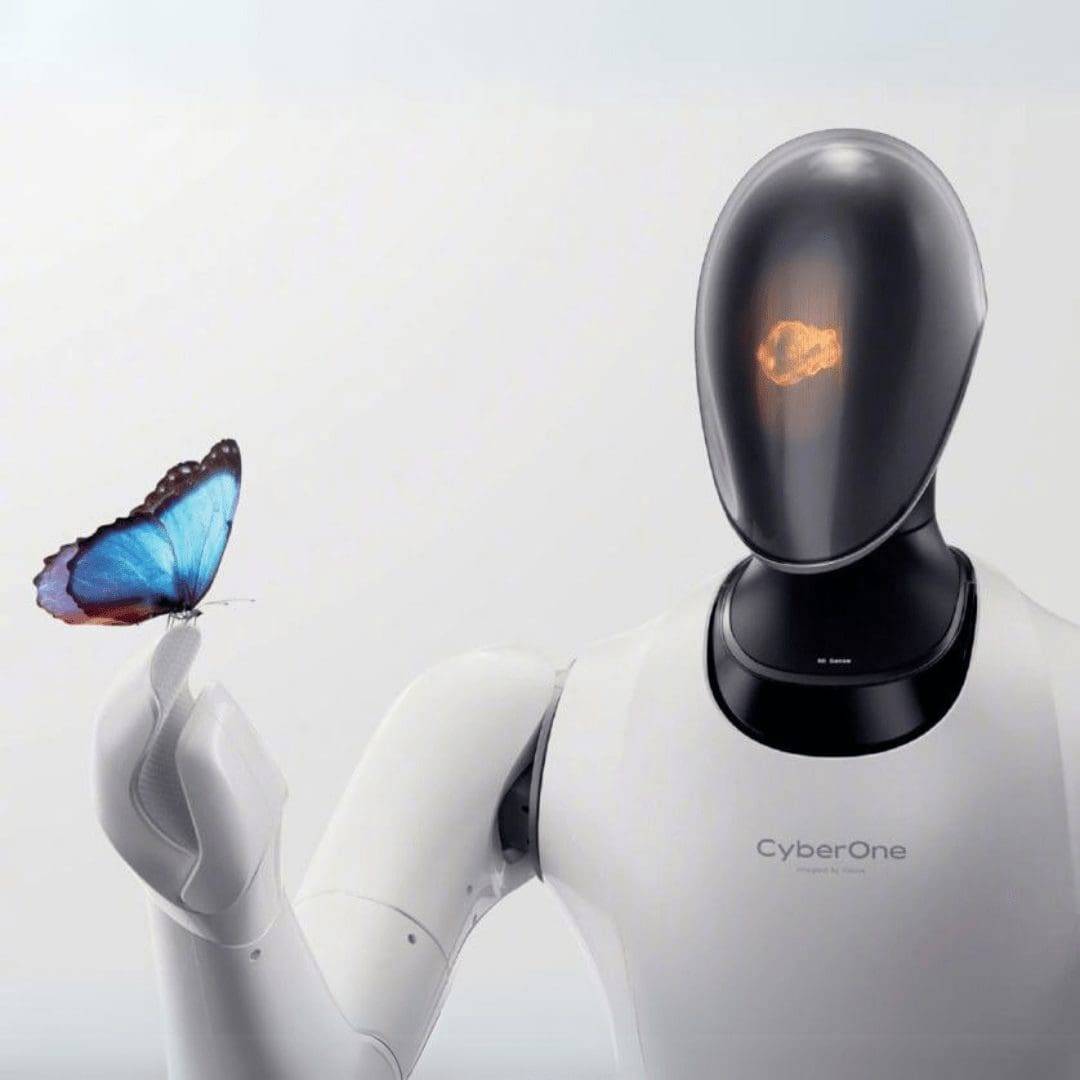
CyberOne
Xiaomi Robotics
CyberOne is Xiaomi’s full-size biped humanoid robot prototype unveiled in 2022 for R&D and technology demonstrations.
Refer a learner and get early access to our paid pathways and 1:1 mentorship pilot.
Join referral listNew robots, funding, and signals. Every Thursday.
Unsubscribe anytime.