Robotics and Mechatronics: A basic guide to begin with
This course is a walkthrough in the world of Robotics and extends from beginner to advance levels. Core concepts of Robotics explained in a crisp and lucid

Before you start
- Basic Python familiarity
- Comfort with algebra or calculus basics
- Interest in robotics systems
About this guide
This course is a walkthrough in the world of Robotics and extends from beginner to advance levels. Core concepts of Robotics explained in a crisp and lucid
Common questions
What will I learn in Robotics and Mechatronics: A basic guide to begin with?
This course is a walkthrough in the world of Robotics and extends from beginner to advance levels. Core concepts of Robotics explained in a crisp and lucid
Is Robotics and Mechatronics: A basic guide to begin with free?
HumanoidHub has not verified public pricing for this guide. Open Udemy for the current access terms before enrolling.
Do I need any prerequisites?
Recommended prep: Basic Python familiarity; Comfort with algebra or calculus basics; Interest in robotics systems.
How long does it take?
Self-paced (provider defined). Most learners complete this guide in self-directed sessions over a few weeks.
Does it offer a certificate?
This guide does not include a formal certificate. Focus is on the learning material itself.
Related guides

Drake: Gallery
# Gallery If you have an example from your own work that you would like to showcase, please edit `doc/_pages/gallery.md` directly and submit a pull request! `doc/_pages/gallery.md` # Underactuated Robotics Drake is being used to teach Underactuated Robotics at MIT. The course textbook has numero

Expanding on Tutorials | MIT Learn
<p>Kyle Keane talks about the logistics and purpose of expanding on tutorials, and how this is related to creating, inventing, and learning.
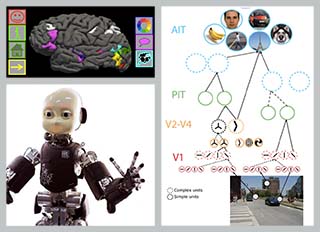
Large-Scale Incremental Learning for Robotics | Brains, Minds and Machines Summer Course | Brain and Cognitive Sciences
This resource contains information regarding brains, minds and machines summer course: Lec8-6.

ROS For Beginners (ROS Noetic, Melodic, Kinetic)
Last updated 11/2025 ## What you'll learn Master ROS basics Create, build, run, and debug your ROS program Master ROS core functionalities Learn ROS best practices to make your application readable and scalable Create reusable code for any robot powered by ROS Write ROS code with both Python

Becoming a Robotics Engineer in 2024: A Step-by-Step Guide | Udacity
Dive deep into the field of robotics engineering, and learn the 5-step framework to landing a job in the industry, and some frequently asked questions you might have.
Ch. 1 - Introduction - Robotic Manipulation
In the previous exercise, you manually set up a simulation by creating a `DiagramBuilder`, adding a `MultibodyPlant` and `SceneGraph`, loading robots, and wiring everything together. In this exercise, you will learn to use `HardwareStation` and model directives specified in `YAML` configuration file
Robots that use these skills
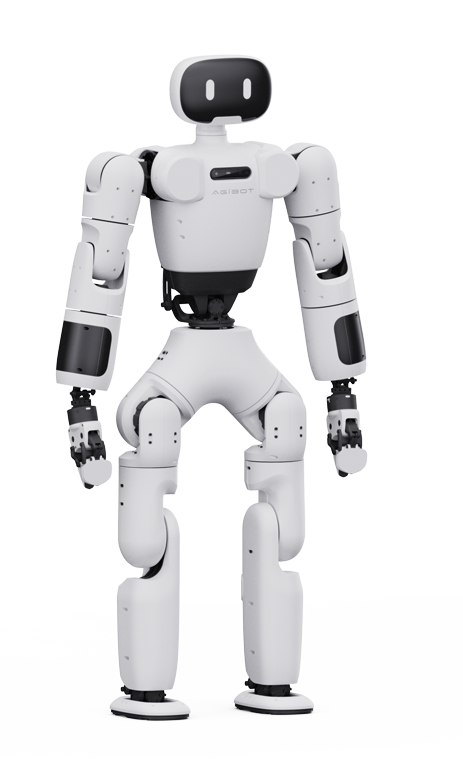
AgiBot X1
AgiBot
AgiBot X1 is a 130 cm, 33 kg open-source humanoid platform with 34 DOF for research and education.
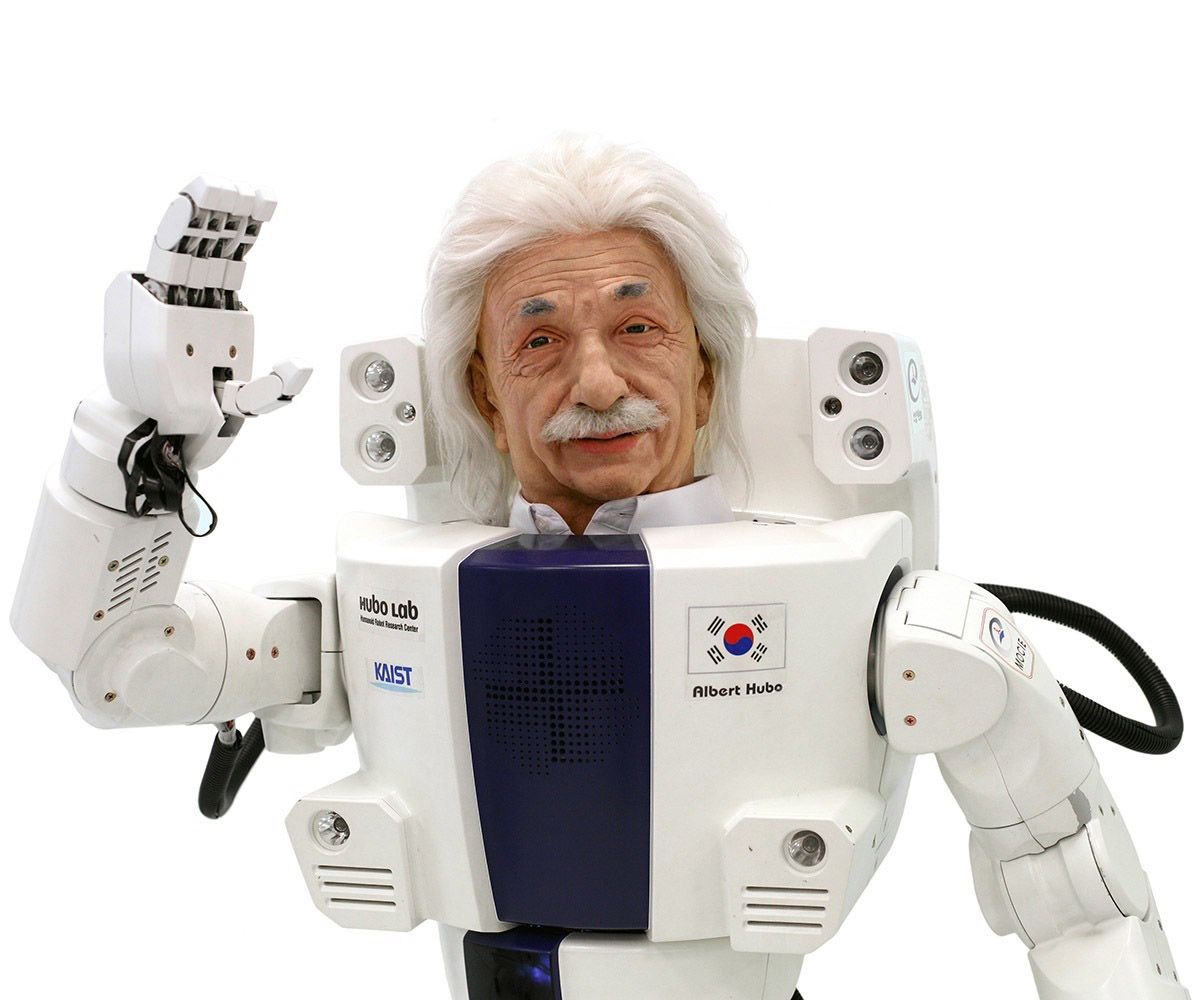
Albert Hubo
HUBO
Albert HUBO is a KAIST HUBO-platform humanoid with an expressive Einstein-like animatronic head for HRI demos and research.

Atom
Dobot Robotics
Dobot Atom is a 1.53 m, 62 kg humanoid prototype by Dobot Robotics with 41 DOF and an AI system aimed at industrial and service tasks.
Refer a learner and get early access to our paid pathways and 1:1 mentorship pilot.
Join referral listNew robots, industry moves, and funding in your weekly robotics briefing.
Unsubscribe anytime.