Robotics: Perception
Understand how robots perceive their environment using sensors and algorithms for mapping and localization.

Before you start
- Basic Python familiarity
- Comfort with algebra or calculus basics
- Interest in robotics systems
About this guide
Understand how robots perceive their environment using sensors and algorithms for mapping and localization.
Common questions
What will I learn in Robotics: Perception?
Understand how robots perceive their environment using sensors and algorithms for mapping and localization.
Is Robotics: Perception free?
HumanoidHub has not verified public pricing for this guide. Open Coursera for the current access terms before enrolling.
Do I need any prerequisites?
Recommended prep: Basic Python familiarity; Comfort with algebra or calculus basics; Interest in robotics systems.
How long does it take?
1 hours total. Most learners complete this guide in self-directed sessions over a few weeks.
Does it offer a certificate?
This guide does not include a formal certificate. Focus is on the learning material itself.
Related guides
AI For Everyone
AI is not only for engineers. If you want your organization to become better at using AI, this is the course to tell everyone--especially your non-technical colleagues--to take. In this course, you will learn: - The meaning behind common AI terminology, including neural networks, machine learning

How to Get Into Robotics
In this course, you will learn about the dynamic world of robotics, which blends engineering, electronics, and computer science to create innovations that enhance our daily lives. You'll learn to envision a future where humanoid robots assist the elderly, autonomous cars ensure safety and medical

A faster way to teach a robot
A new technique enables a human to efficiently fine-tune a robot that failed to complete a desired task with very little effort on the part of the human. Their system uses algorithms, counterfactual explanations, and feedback from the user to generate synthetic data it uses to quickly fine-tune the

CS331B Course | Stanford University Bulletin
Stanford University # Stanford University # CS331B ## Download as PDF ## Interactive Simulation for Robot Learning ### Course Description ### Grading Basis ### Min ### Max ### Course Repeatable for Degree Credit? ### Course Component ### Enrollment Optional? ### Does this course satisfy

Expanding on Tutorials | MIT Learn
<p>Kyle Keane talks about the logistics and purpose of expanding on tutorials, and how this is related to creating, inventing, and learning.
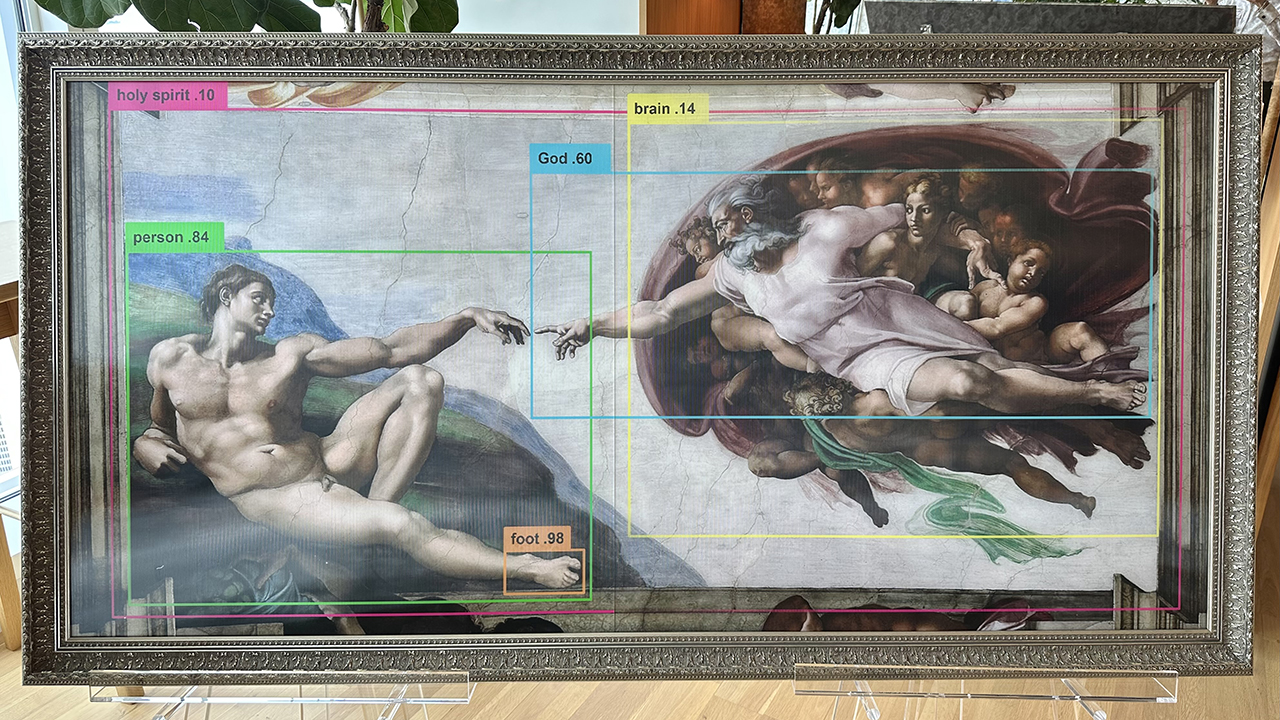
How to AI (Almost) Anything | MIT Learn
<p>Artificial Intelligence (AI) holds great promise as a technology to enhance digital productivity, physical interactions, overall well-being, and the human experience. To enable the true impact of AI, these systems will need to be grounded in real-world data modalities, from language-only sy
Robots that use these skills
MAiRA
NEURA Robotics
MAiRA is a 7‑axis collaborative robot arm from NEURA Robotics designed for industrial automation with integrated AI perception and voice interaction.

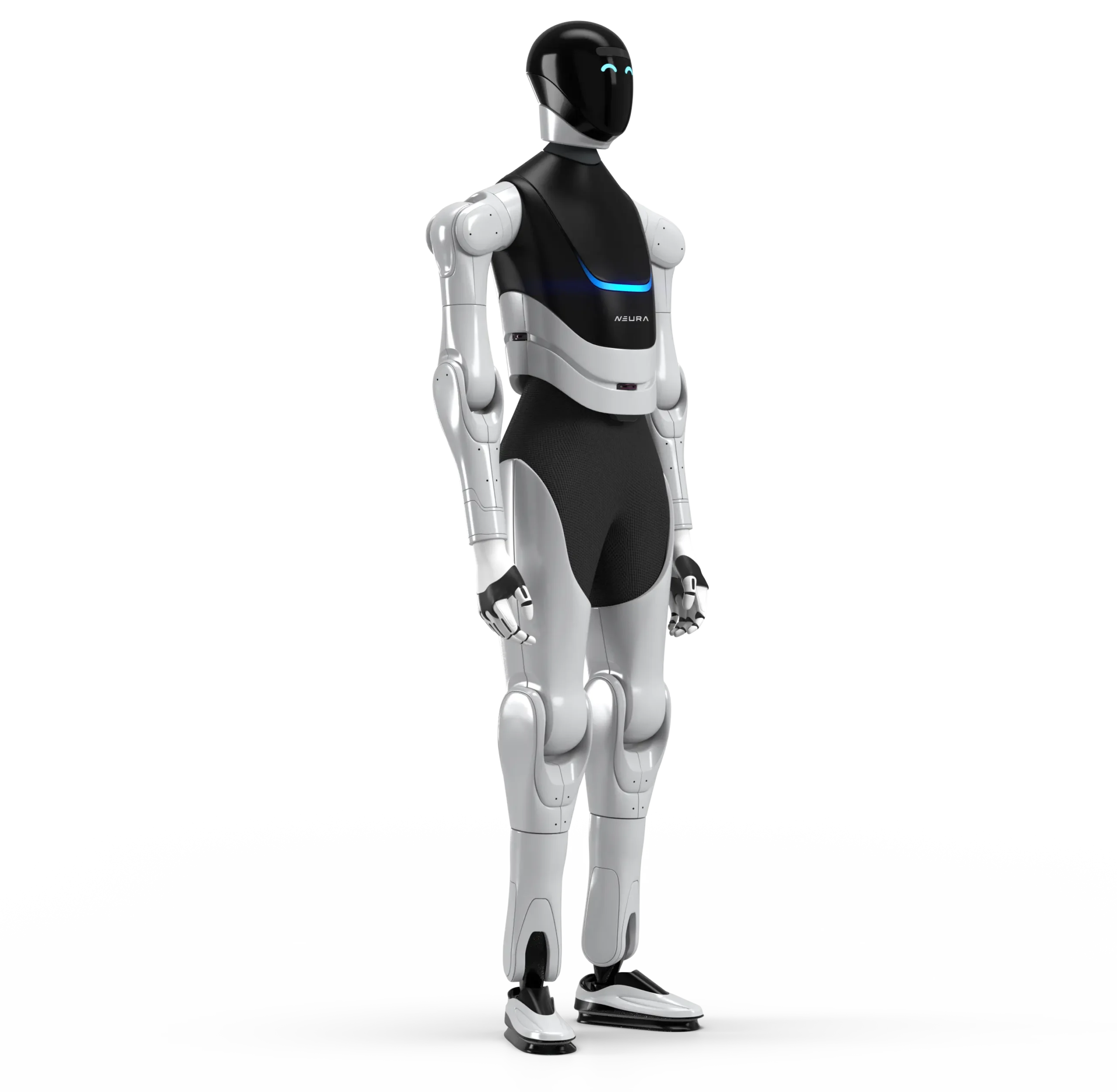
NEURA 4NE1
NEURA Robotics
NEURA 4NE1 is a full-size humanoid robot platform from NEURA Robotics aimed at industrial and logistics tasks, with NVIDIA Thor compute and a reservation-based rollout.

1X EVE
1X Technologies
1X EVE is a wheeled humanoid robot from 1X Technologies aimed at mobile service work in institutional and industrial settings.
Refer a learner and get early access to our paid pathways and 1:1 mentorship pilot.
Join referral listNew robots, industry moves, and funding in your weekly robotics briefing.
Unsubscribe anytime.