Robotics with Python - Think, Code and Move! - Udemy
You'll begin by learning spatial transformations, kinematics, and robot motion control, then apply those concepts through Python-based simulations and projects.

Before you start
- Basic Python familiarity
- Comfort with algebra or calculus basics
- Interest in robotics systems
About this guide
You'll begin by learning spatial transformations, kinematics, and robot motion control, then apply those concepts through Python-based simulations and projects.
Common questions
What will I learn in Robotics with Python - Think, Code and Move! - Udemy?
You'll begin by learning spatial transformations, kinematics, and robot motion control, then apply those concepts through Python-based simulations and projects.
Is Robotics with Python - Think, Code and Move! - Udemy free?
HumanoidHub has not verified public pricing for this guide. Open Udemy for the current access terms before enrolling.
Do I need any prerequisites?
Recommended prep: Basic Python familiarity; Comfort with algebra or calculus basics; Interest in robotics systems.
How long does it take?
Self-paced (provider defined). Most learners complete this guide in self-directed sessions over a few weeks.
Does it offer a certificate?
This guide does not include a formal certificate. Focus is on the learning material itself.
Related guides

Free Robotics Tutorial - Robotics Introductory Course - Udemy
Throughout the course, you'll learn the fundamentals of robotics, including working with sensors, motors, and controllers. You'll dive into basic electronics
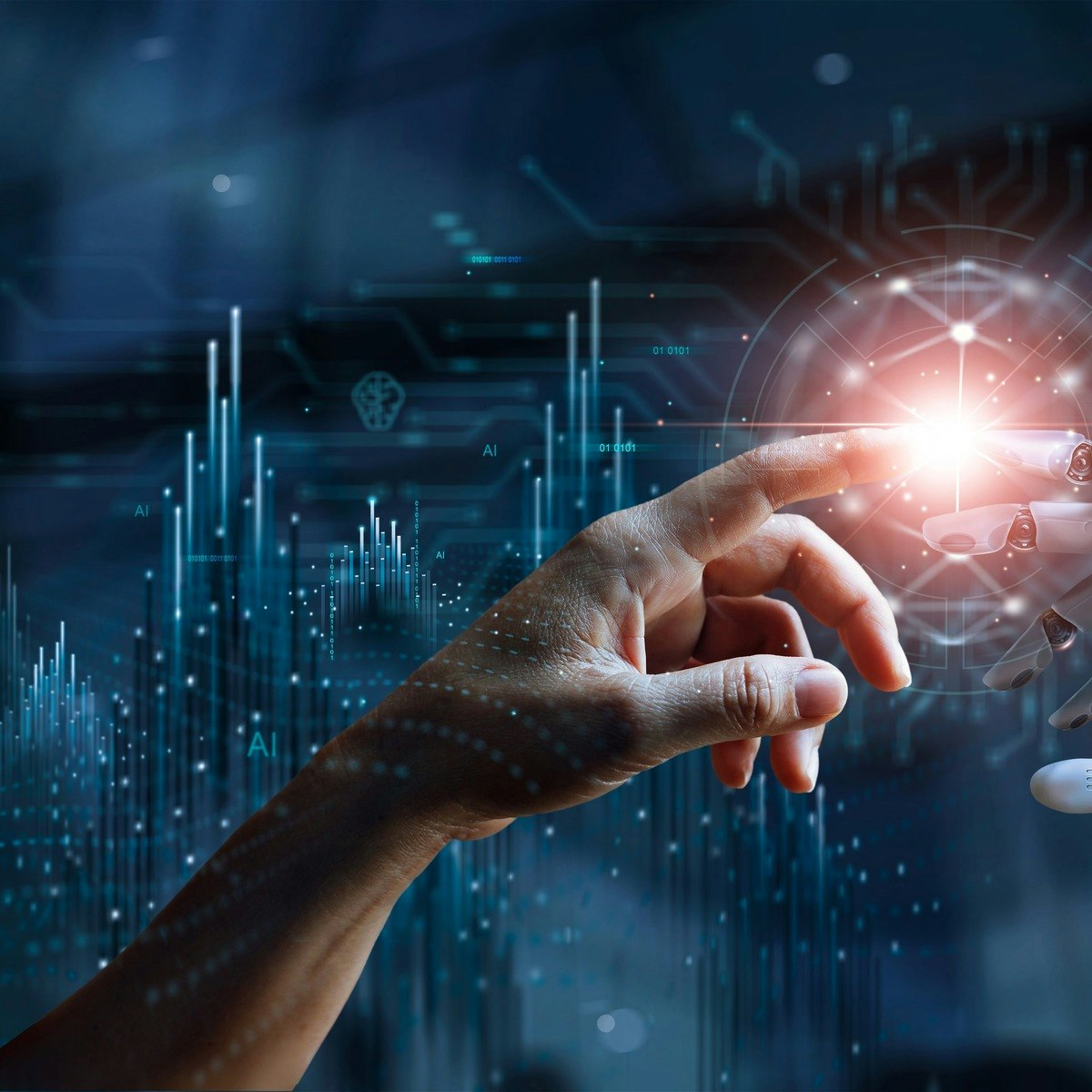
How to Get Into Robotics
In this course, you will learn about the dynamic world of robotics, which blends engineering, electronics, and computer science to create innovations that enhance our daily lives. You'll learn to envision a future where humanoid robots assist the elderly, autonomous cars ensure safety and medical
Industrial Robotics & Automation: Complete Beginner's Guide
Grasp Programming & Integration: Learn the basics of robot programming languages and how machines are successfully integrated into existing human workflows.

Machine Learning | Blog Archives | Page 6 Of 6 | Udacity
Udacity transforms talent and changes lives through digital upskilling. Learn to overcome digital talent gaps with our resources on Machine Learning

MIT 6.832 - Underactuated Robotics
Ordinary Differential Equations (ODEs) + While a strong understanding of differential equations will only help you, if you have not taken a full ODE course before, you will probably be okay with just understanding the basics. + The Differential Equations content at Khan Academy should be enough to
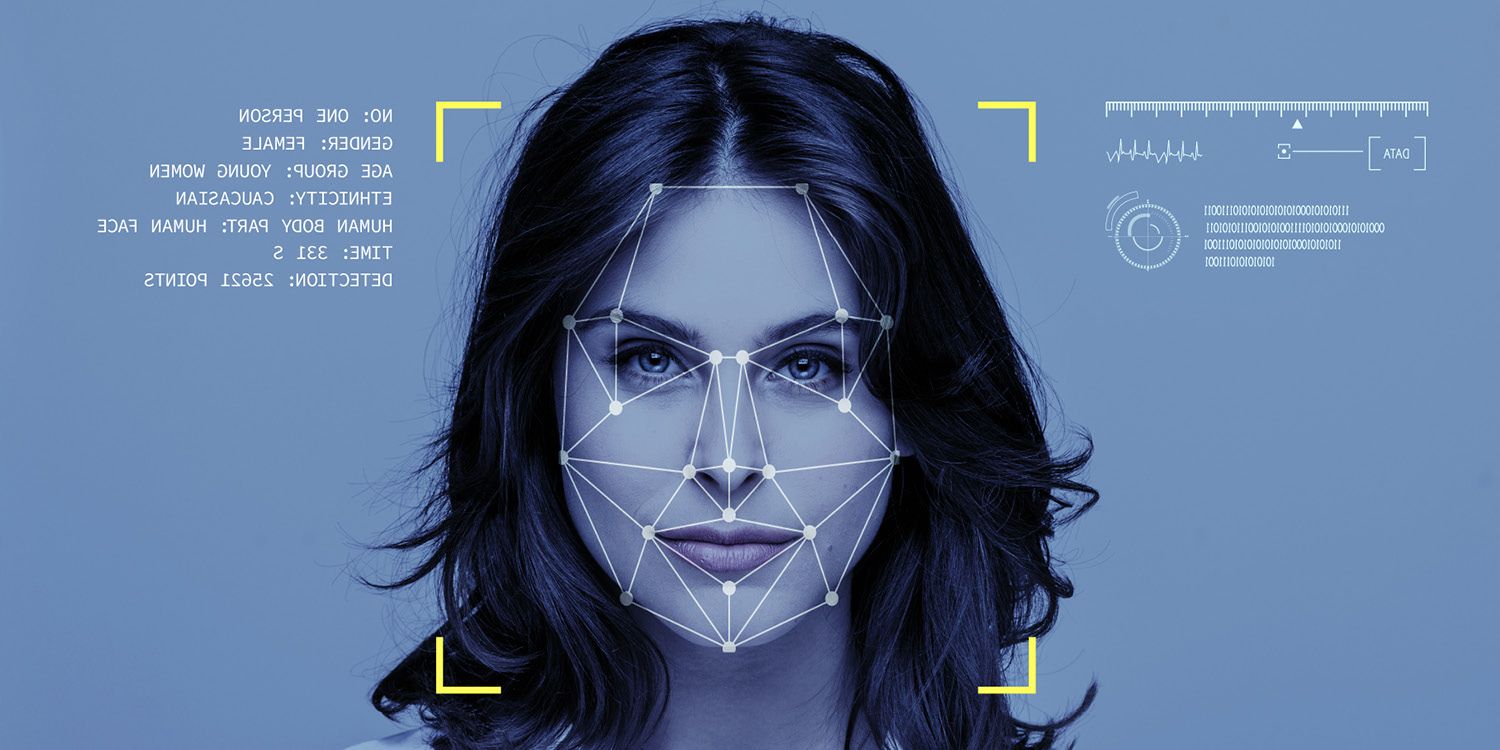
What is machine learning? | A beginner’s guide – FutureLearn
What is machine learning? And what is it used for? We explore this fascinating technology, how it’s used, the type of careers on offer, and the skills you’ll need to get started.
Robots that use these skills
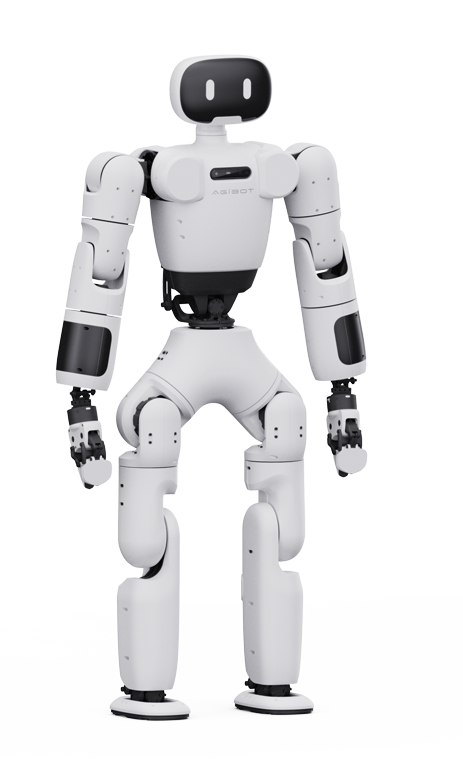
AgiBot X1
AgiBot
AgiBot X1 is a 130 cm, 33 kg open-source humanoid platform with 34 DOF for research and education.

AiNex ROS Education AI Vision Humanoid Robot
Hiwonder
AiNex is a compact ROS-enabled educational humanoid robot from Hiwonder with an HD camera for AI vision experiments.
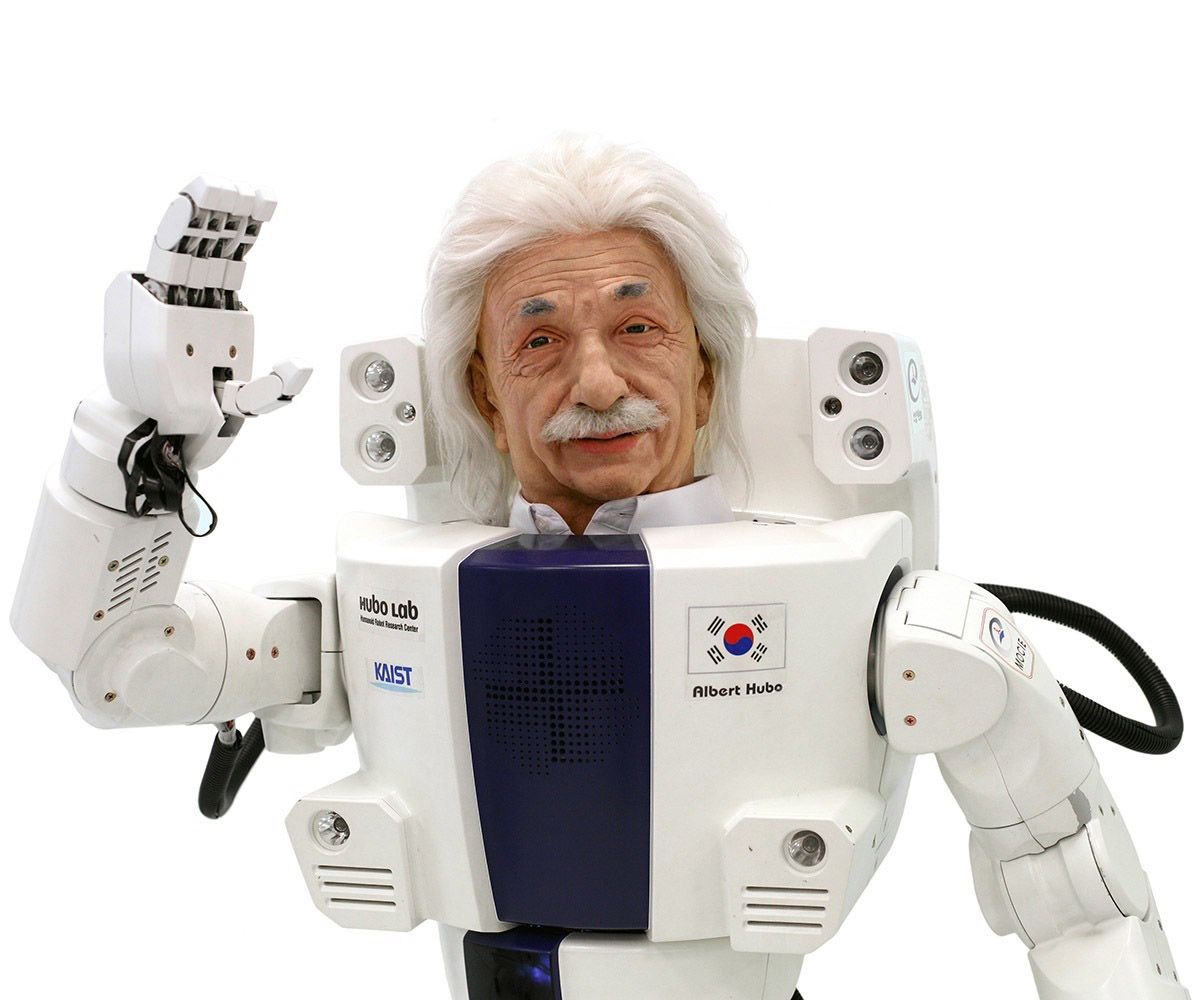
Albert Hubo
HUBO
Albert HUBO is a KAIST HUBO-platform humanoid with an expressive Einstein-like animatronic head for HRI demos and research.
Refer a learner and get early access to our paid pathways and 1:1 mentorship pilot.
Join referral listNew robots, industry moves, and funding in your weekly robotics briefing.
Unsubscribe anytime.