Industry Landscape
Quick Answer
Research and education teams should first match software access, ROS or SDK support, simulation workflow, safety controls, support model, and curriculum or study needs to the use case, then verify every shortlisted robot with manufacturer sources.
Academic and research buyers evaluate humanoid robots differently from commercial operators. A lab may need raw sensor access, repeatable experiments, simulation parity, and permission to publish results. A classroom may need durable hardware, beginner-friendly programming tools, training materials, and predictable support. A clinical or rehabilitation study may need safety documentation, ethics-board evidence, and controlled interaction modes. The right platform is the one that matches the institution mandate, not simply the most capable robot on a spec sheet.
NAO6
Teaching and HRI platform
Aldebaran - checked 2026-07-07Manufacturer page positions NAO6 for education, research, healthcare, and elderly environments.
SDKs
Programming support
Aldebaran support - checked 2026-07-07Support page lists NAO6 Robot Settings, Choregraphe, Python SDK, and C++ SDK downloads.
OP3
Open lab platform
ROBOTIS - checked 2026-07-07ROBOTIS describes OP3 as a miniature humanoid platform for research and education activities.
TALOS
Advanced research platform
PAL Robotics - checked 2026-07-07Manufacturer page positions TALOS as a high-performance humanoid robot for research.
Use Cases
University Robotics Research Labs
Evaluate humanoids for locomotion, manipulation, perception, whole-body control, and reproducible experiment design.
- +Match control access to the lab research agenda
- +Confirm simulation assets before hardware purchase
- +Require logs, sensor access, and repeatable experiment setup
K-12 and University STEM Programs
Use humanoid robots to teach programming, systems thinking, robotics competitions, and embodied computing concepts.
- +Prefer curriculum materials and beginner-friendly tools
- +Plan charging, storage, classroom handling, and repairs
- +Check whether the platform can grow from blocks to code
Clinical and Rehabilitation Research
Assess humanoids for controlled social interaction, therapy-adjacent studies, patient engagement, and human-subject research.
- +Review safety documentation and ethics-board evidence needs
- +Separate therapeutic claims from research study objectives
- +Confirm data handling, consent, and operator override controls
Machine-Learning Training Platforms
Use humanoid hardware to test policies, demonstrations, sim-to-real transfer, and embodied autonomy workflows.
- +Validate simulator support against the physical robot
- +Confirm access to sensors, actuators, and policy interfaces
- +Budget for compute, spare parts, and failed experiment cycles
Source-Checked Deployment Context
Aldebaran education and research programs
NAO6
Best-fit context for classrooms, human-robot interaction studies, therapy-adjacent research, and programs that need expressive interaction with documented software tooling.
Aldebaran NAO6 - checked 2026-07-07NAO software teaching workflow
NAO6 SDK and Choregraphe
Best-fit context for courses that need packaged programming tools before moving students into lower-level robotics middleware.
Aldebaran support - checked 2026-07-07ROBOTIS open platform labs
ROBOTIS OP3
Best-fit context for small humanoid research, robotics competitions, and courses that value an open platform with documented hardware and software manuals.
ROBOTIS OP3 manual - checked 2026-07-07Unitree advanced mobility research
G1 and H1
Best-fit context for teams evaluating full-body mobility, perception payloads, and manufacturer-supported humanoid development platforms.
Unitree G1 - checked 2026-07-07PAL Robotics research deployments
TALOS
Best-fit context for well-funded labs that need a configurable full-body research platform with manufacturer positioning around ROS-based development.
PAL Robotics TALOS - checked 2026-07-07Evaluation Checklist
0/20 checked
SDK, ROS, and Simulation
Research Access and Publication
Grant and Procurement Fit
Classroom and Lab Operations
Study Safety and Governance
Featured Catalog Models for Research & Education
Full catalogThese cards show source-backed catalog facts. Placement on this solution page is editorial suitability guidance, not a guarantee of deployment readiness, pricing, availability, or ROI.
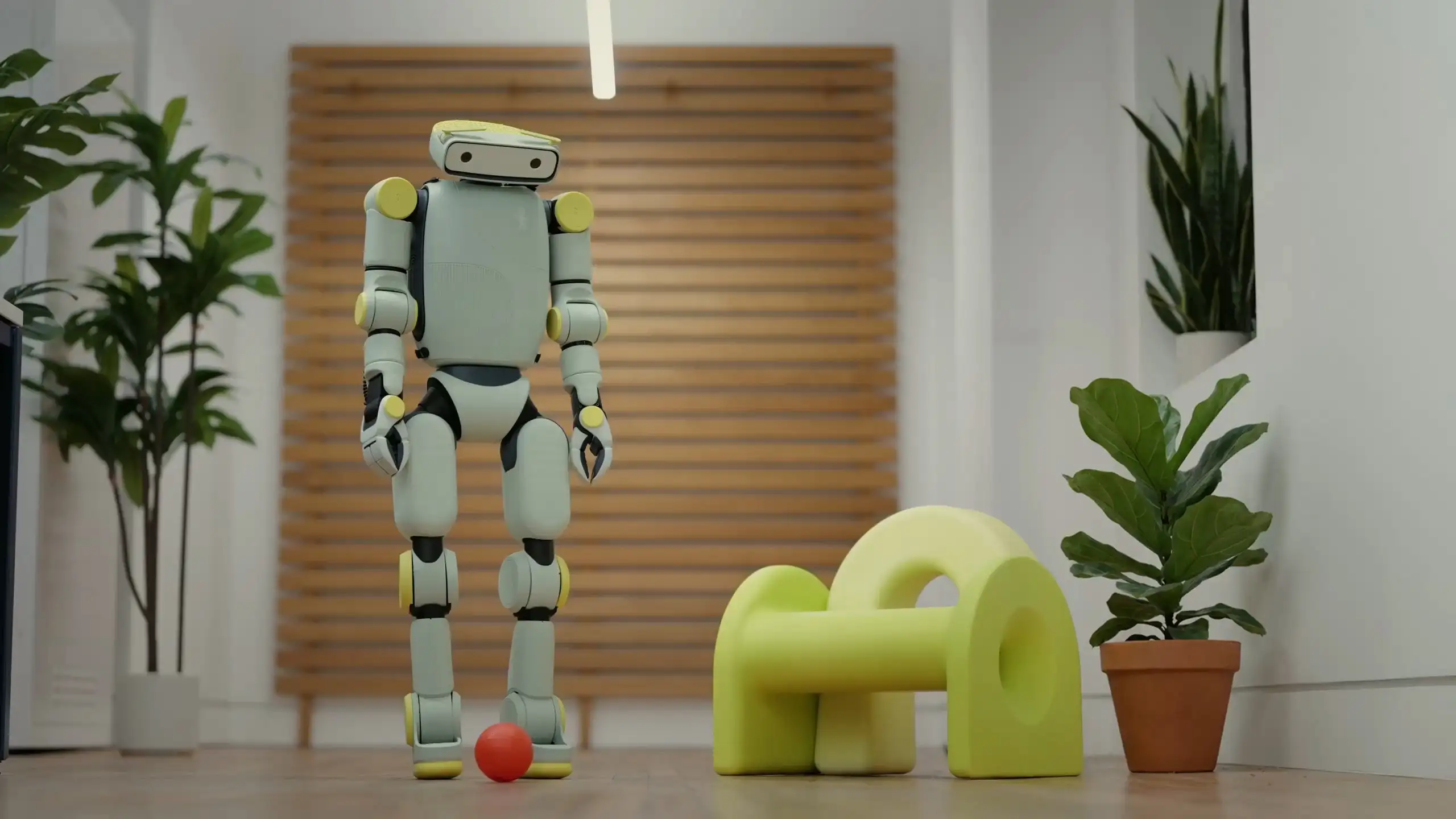
Fauna Robotics
Sprout Creator Edition
Sprout Creator Edition is Fauna Robotics' lightweight humanoid developer platform for researchers, educators, creators, and commercial teams.
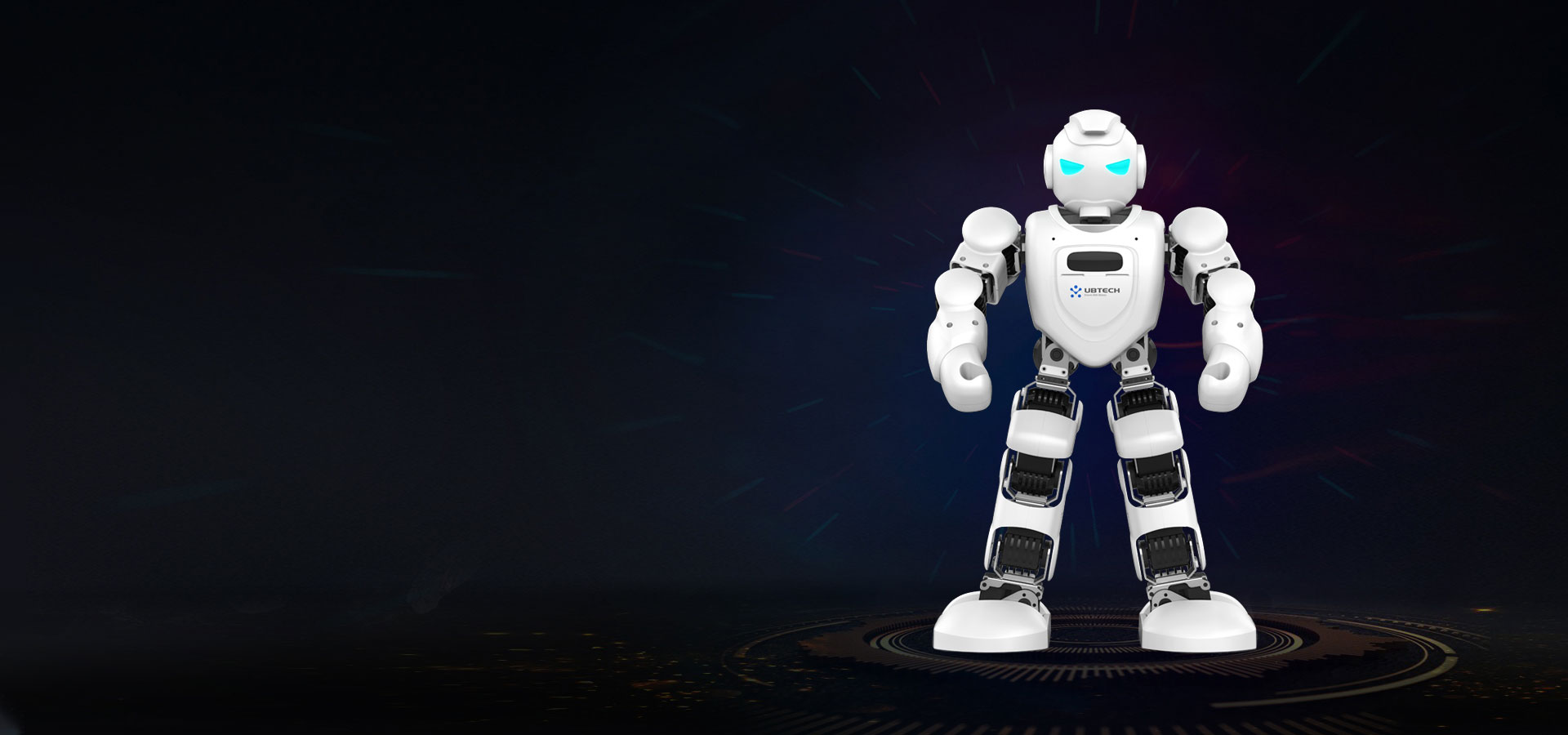
UBTECH Robotics
Alpha 1E
UBTECH Alpha 1E is listed on an official UBTECH Alpha Series page under consumer humanoid robots.

UBTECH Robotics
Walker X
UBTECH Walker X is a commercial humanoid robot positioned for AI research, smart services, and human-robot interaction.
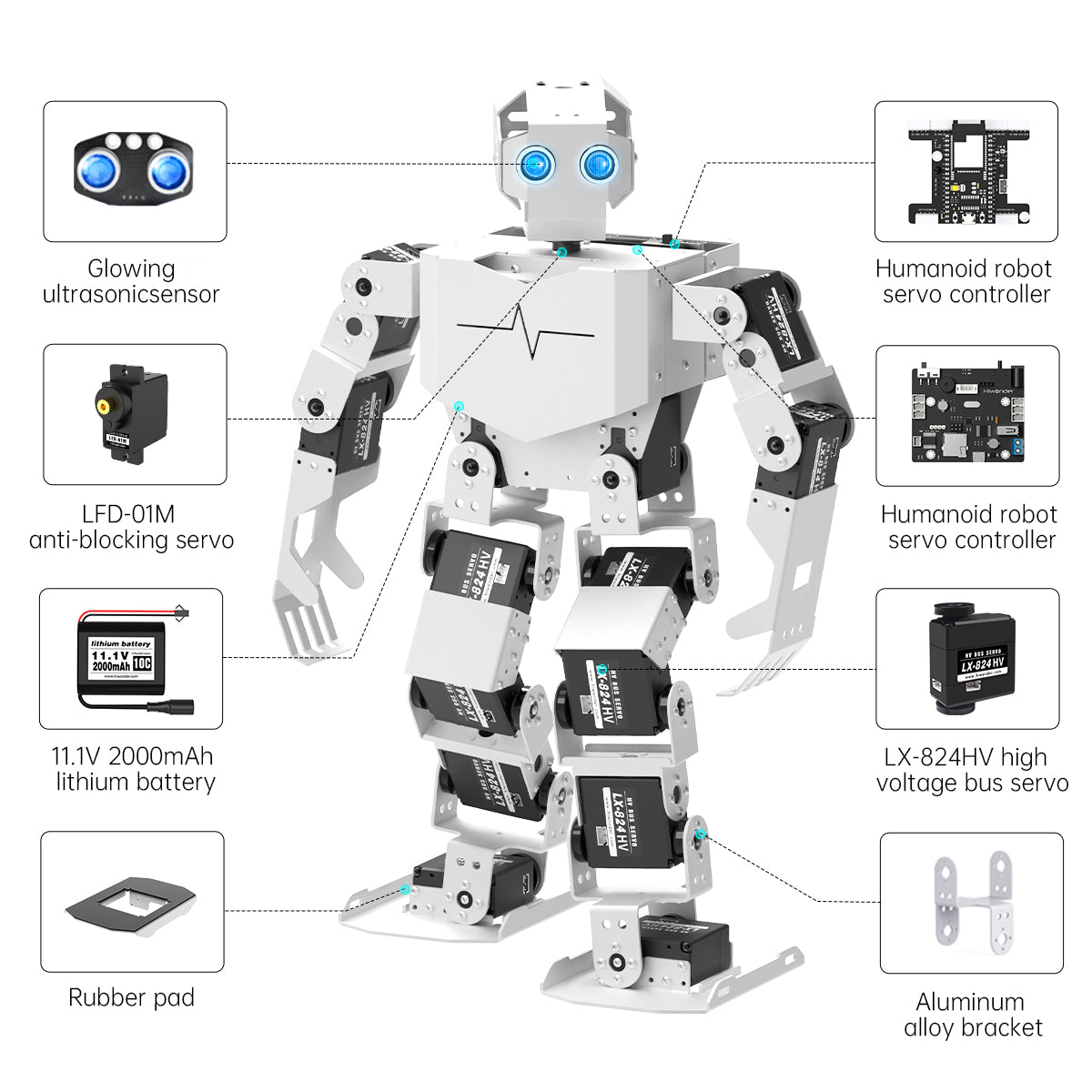
Hiwonder
HiWonder TonyBot Humanoid Robot Kit
Hiwonder TonyBot is a small humanoid (biped) robot kit for STEM learning with 16 DOF servo joints and app/program control.
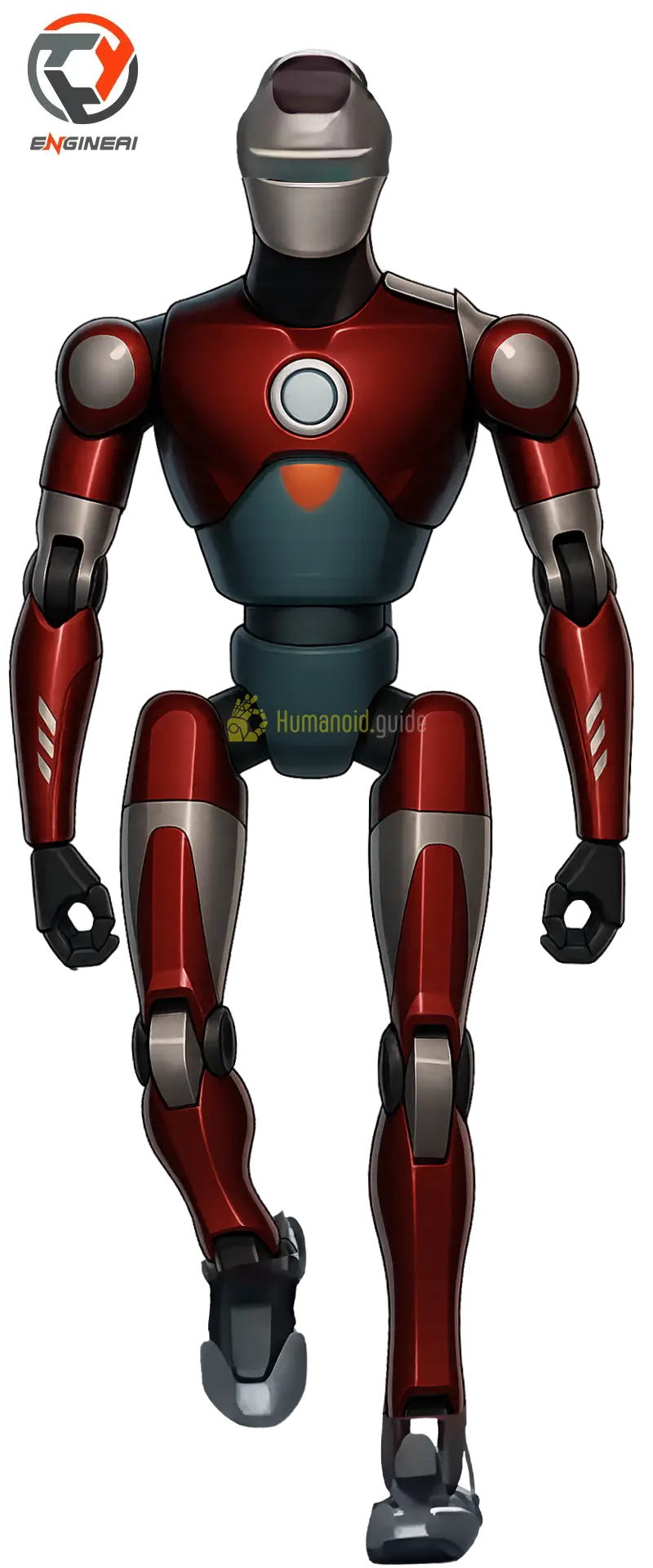
EngineAI
SA02 Humanoid Robot
EngineAI SA02 is a compact humanoid social robot teased for young people, with AI-driven interaction and bipedal mobility.

EngineAI
T800 Humanoid Robot
EngineAI T800 is a full-size humanoid (bipedal) robot shown in 2025 as a heavy-duty platform and planned “Robot Boxer” competitor.
Connected discovery
Related pages
Humanoid robots for research & education
Humanoid platforms designed for university research, education, and developer-facing R&D programs.
Buyer guides
Best Humanoid Robots for Education & Research
A shortlist for universities, labs, educators, and robotics teams comparing humanoid platforms.
Need help choosing the right robot?
Our team can help you evaluate humanoid robots for research & education - from requirements analysis to vendor shortlisting and pilot planning.
Frequently Asked Questions
What is the best humanoid robot for university research?+
What should a grant budget include beyond the robot?+
Is ROS support required for research humanoids?+
Can commercial humanoids be used in publishable research?+
How should schools compare education-focused humanoids?+
Sources and verification
Robot facts come from catalog/manufacturer records. Market, deployment, ROI, and suitability guidance is separated below so buyer-context claims can be checked independently.
Robot and manufacturer records
Official product or manufacturer pages used for catalog-backed robot facts.
Methodology notes
References that explain how to evaluate claims, safety, procurement, or comparability.