AI for Robotics
Explore how artificial intelligence is applied in robotics, with a focus on humanoid systems.

Before you start
- Basic Python familiarity
- Comfort with algebra or calculus basics
- Interest in robotics systems
About this guide
Explore how artificial intelligence is applied in robotics, with a focus on humanoid systems.
Common questions
What will I learn in AI for Robotics?
Explore how artificial intelligence is applied in robotics, with a focus on humanoid systems.
Is AI for Robotics free?
HumanoidHub has not verified public pricing for this guide. Open Coursera for the current access terms before enrolling.
Do I need any prerequisites?
Recommended prep: Basic Python familiarity; Comfort with algebra or calculus basics; Interest in robotics systems.
How long does it take?
1 hours total. Most learners complete this guide in self-directed sessions over a few weeks.
Does it offer a certificate?
This guide does not include a formal certificate. Focus is on the learning material itself.
Related guides
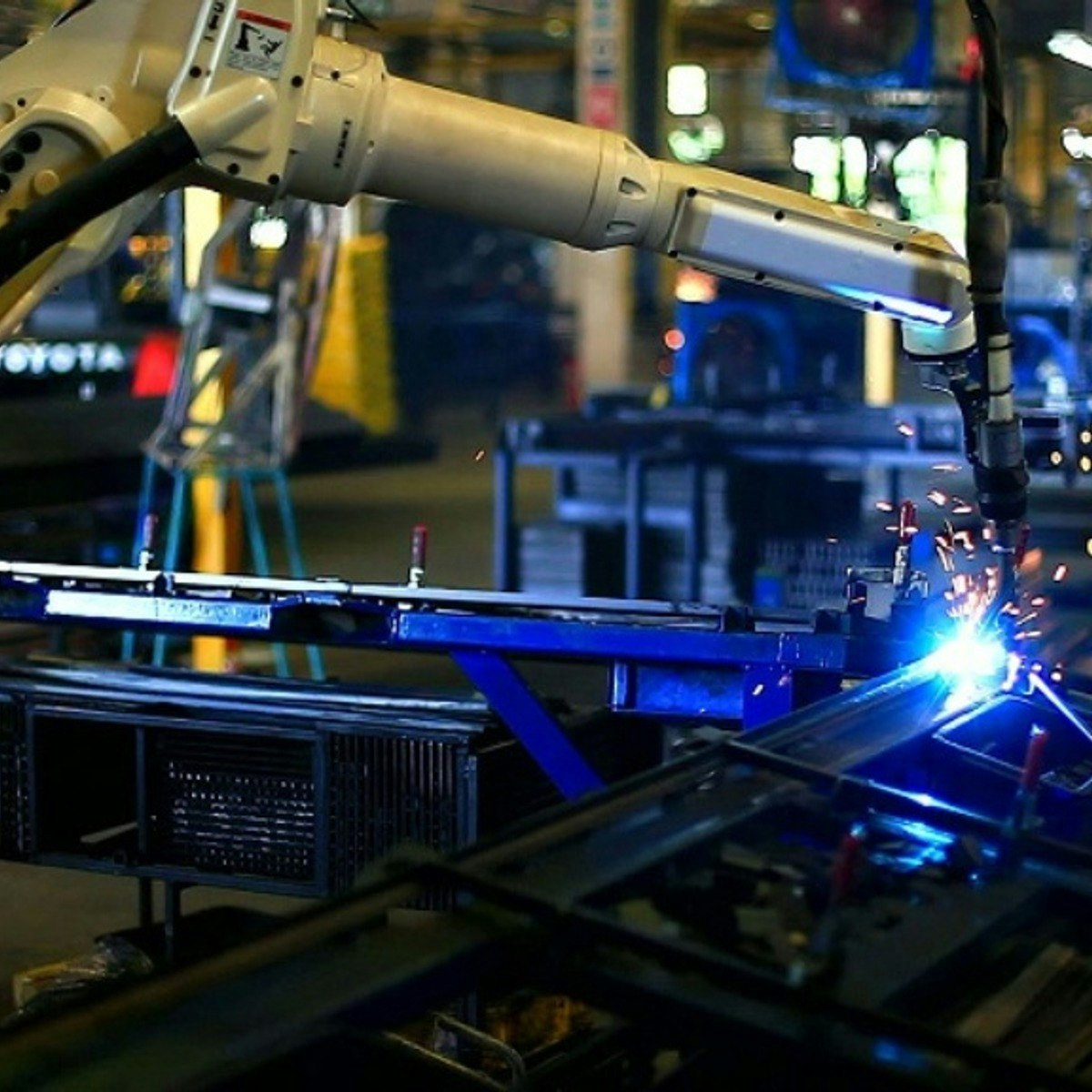
Fundamentals of Robotics & Industrial Automation
The "Fundamentals of Robotics & Industrial Automation" course is tailored to provide a comprehensive understanding of essential concepts and practical skills necessary for excelling in the field of collaborative robotics. Through three dynamic modules, participants will explore the intricacies of se
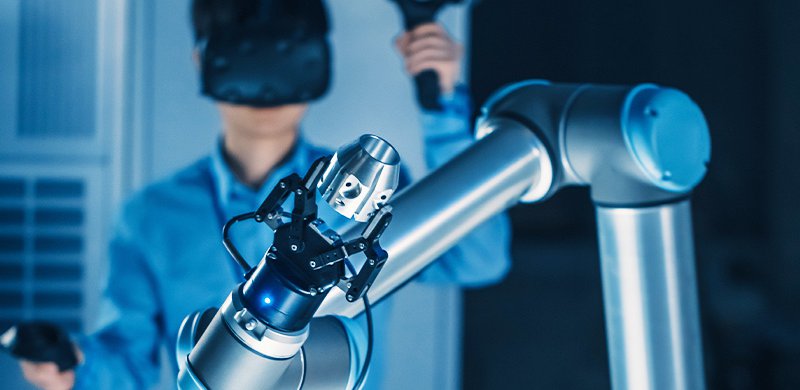
MIT xPRO | Robotics Essentials
MiT xPRO's Robotics Essentials program provides you with the knowledge and resources to identify basic robotic subsystems, evaluate human-robot interactions, and analyze challenges to the implementation of robotic systems. This program is an ideal launchpad if you want to chart a path in full-s

Industrial Robotics
Image 3Preview this course # Industrial Robotics Mathematical models and practical applications Created byFabrizio Frigeni Last updated 9/2019 English Image 4Preview this course Purchase options Subscribe and save From$13.00/month Access to 28,000+ top-rated courses Cancel anytime
Advanced Topics in Humanoid Robotics
Explore advanced concepts in humanoid robot design, motion planning, and machine learning.

Advancing Continual Learning for Robotics Applications
With engaging videos, interactive presentations, detailed notes, hands-on tutorials, and quizzes after every section to evaluate the learned concepts, this course is designed to help you master the topic and their real-world applications. Whether you’re new to CL or looking to expand your knowledge
AI For Everyone
AI is not only for engineers. If you want your organization to become better at using AI, this is the course to tell everyone--especially your non-technical colleagues--to take. In this course, you will learn: - The meaning behind common AI terminology, including neural networks, machine learning
Robots that use these skills
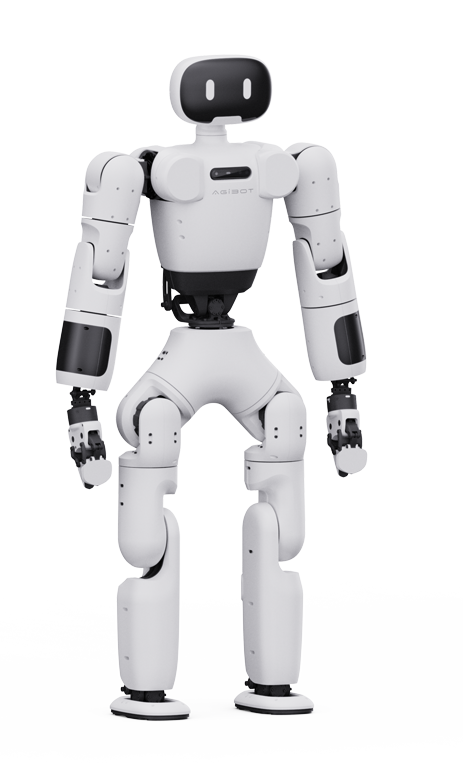
AgiBot X1
AgiBot
AgiBot X1 is a 130 cm, 33 kg open-source humanoid platform with 34 DOF for research and education.

AiNex ROS Education AI Vision Humanoid Robot
Hiwonder
AiNex is a compact ROS-enabled educational humanoid robot from Hiwonder with an HD camera for AI vision experiments.
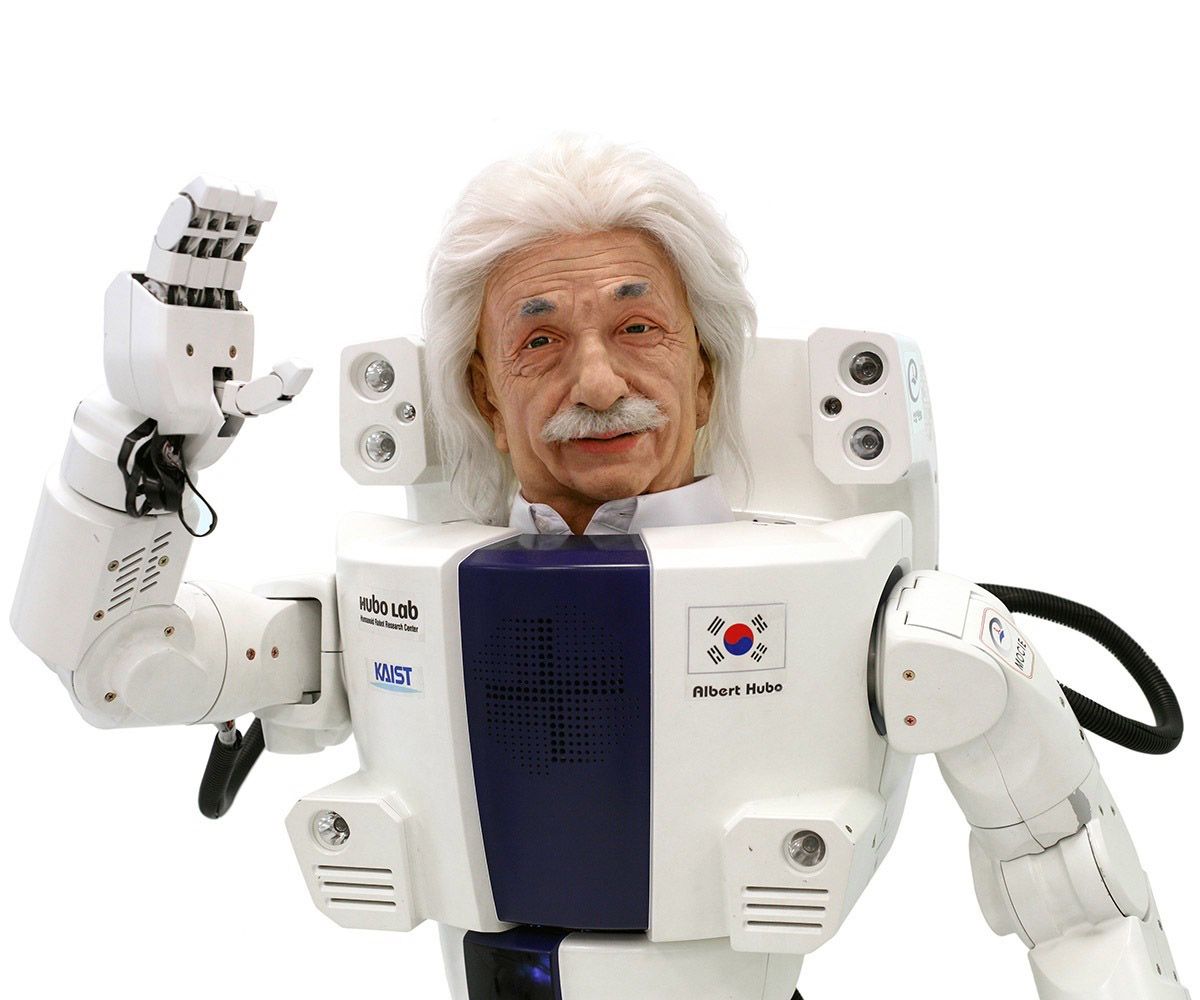
Albert Hubo
HUBO
Albert HUBO is a KAIST HUBO-platform humanoid with an expressive Einstein-like animatronic head for HRI demos and research.
Refer a learner and get early access to our paid pathways and 1:1 mentorship pilot.
Join referral listNew robots, funding, and signals. Every Thursday.
Unsubscribe anytime.