Industry Landscape
Quick Answer
Hospitality and retail teams should verify catalog facts first, then pilot customer-facing fit by testing greeting quality, wayfinding accuracy, product or menu content, staff handoff, venue integration, support model, and measurable guest outcomes.
Hospitality and retail deployments should be treated as buyer-experience projects, not only hardware purchases. Labor, queueing, and guest-service pressure can make automation attractive, but exact ROI depends on venue traffic, staff model, integration cost, content upkeep, and escalation workflow. Use current labor data, official robot records, and vendor deployment references before making budget or availability assumptions.
Check current openings
Labor signal
BLS JOLTS - checked 2026-06-27Use current hospitality and retail labor data before using shortage numbers in a business case.
Official product record
Customer-facing proof
Aldebaran Pepper - checked 2026-06-16Official source for Pepper positioning; deployment volume claims need separate evidence.
Official product record
Restaurant service fit
Pudu BellaBot - checked 2026-06-16Manufacturer source for restaurant-service positioning and buyer evaluation.
Measure on site
Buyer metric
Methodology note - checked 2026-06-27Engagement lift, conversion, and ROI should be measured against the buyer venue baseline.
Use Cases
Guest Greeting & Concierge
Welcoming guests, answering FAQs, providing directions, and sharing venue information at hotel lobbies, event spaces, and corporate reception areas.
- +Can cover repeatable guest questions when staff handoff is designed
- +Multilingual support should be verified per vendor and deployment package
- +Queue impact should be measured against the venue baseline
Retail Product Guidance
Helping shoppers find products, providing specifications, checking inventory, and recommending items based on preferences.
- +Supports guided product discovery when inventory integration is available
- +Creates a clear handoff path from product questions to staff assistance
- +Can capture aggregate interaction patterns when analytics are configured safely
Retail Back-of-House Support
Supporting inventory checks, shelf-readiness reviews, replenishment handoff, and stockroom-to-floor coordination when the vendor can integrate safely with store systems.
- +Connects front-of-house questions to back-of-house inventory workflows
- +Requires verified POS, inventory, and staff task-routing integrations
- +Pilot metrics should separate customer experience from operational throughput
Restaurant Service
Taking orders, delivering food and beverages, bussing tables, and providing menu recommendations in restaurants and cafes.
- +Delivery throughput should be validated in a venue pilot
- +Frees staff to focus on guest relationships and exception handling
- +Requires clear floor-plan, safety, and support workflows
Wayfinding & Information Kiosk
Interactive navigation assistance in airports, malls, hospitals, and large venues with a more active presence than a static screen.
- +Interaction quality should be tested against existing kiosk flows
- +Venue map integration must be verified before procurement
- +Staff escalation should be available for unanswered questions
Source-Checked Deployment Context
Hilton Hotels
Connie
Hotel-concierge example for guest questions and local-area information; use as historical context, not current vendor availability.
Hilton newsroom - checked 2026-06-27Henn-na Hotel
Service robots
Robot-staffed hotel reference point for service-automation expectations and operational limits.
Henn-na Hotel - checked 2026-06-27Public service venues
Pepper
Customer greeting and product-information context for Pepper-style public service deployments.
Aldebaran Pepper - checked 2026-06-16Evaluation Checklist
0/20 checked
Interaction Quality
Content Management
Operations
Physical Design
Business Model
Featured Catalog Models for Hospitality & Retail
Full catalogThese cards show source-backed catalog facts. Placement on this solution page is editorial suitability guidance, not a guarantee of deployment readiness, pricing, availability, or ROI.
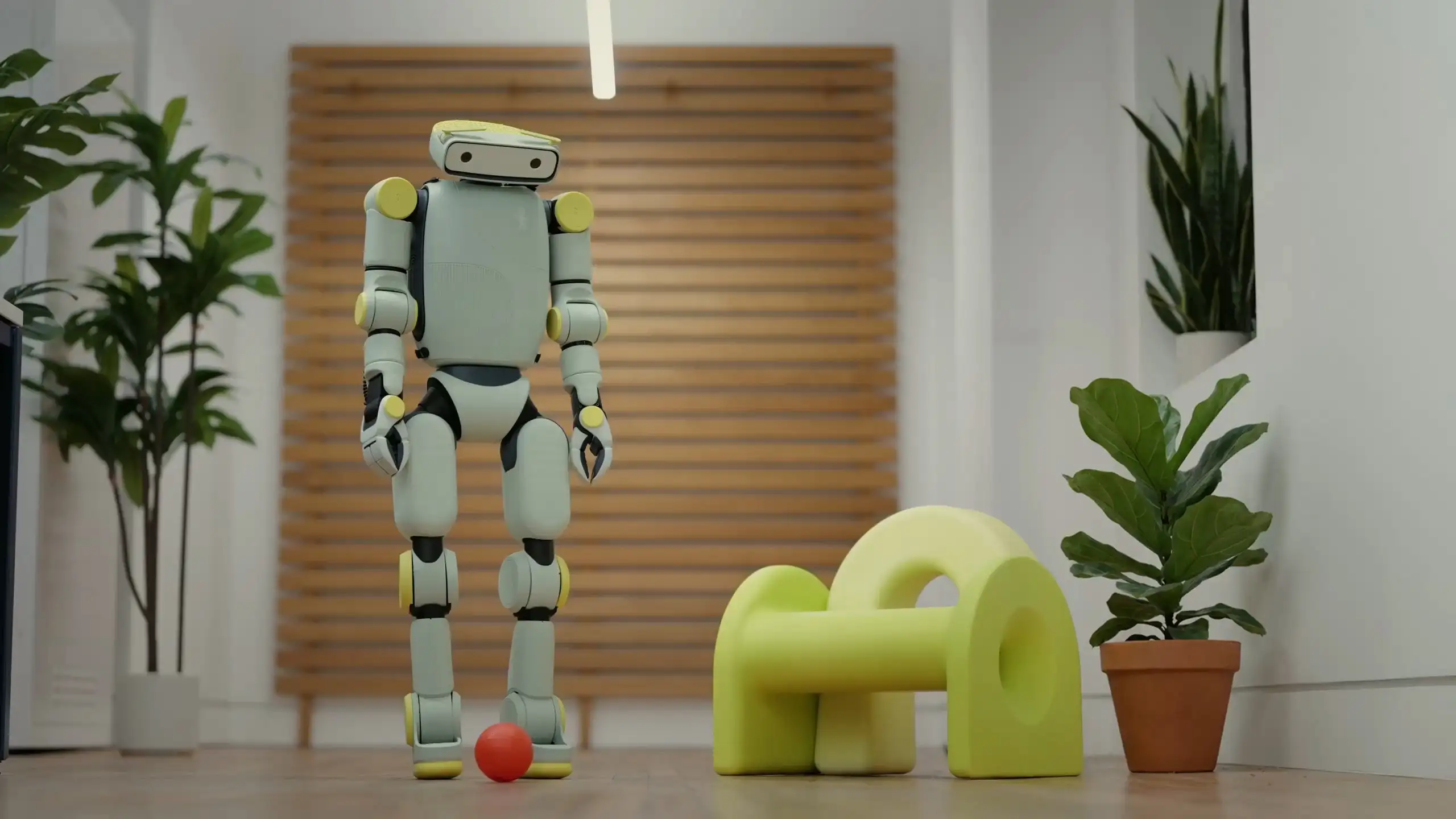
Fauna Robotics
Sprout Creator Edition
Sprout Creator Edition is Fauna Robotics' lightweight humanoid developer platform for researchers, educators, creators, and commercial teams.

UBTECH Robotics
Walker C
UBTECH Walker C is a full-size electric-driven humanoid service robot for tour guidance and human-robot interaction.

UBTECH Robotics
Panda Robot
UBTECH Panda Robot is an interactive humanoid panda robot for exhibition guidance, dance performance, and drawing activities.

EngineAI
T800 Humanoid Robot
EngineAI T800 is a full-size humanoid (bipedal) robot shown in 2025 as a heavy-duty platform and planned “Robot Boxer” competitor.
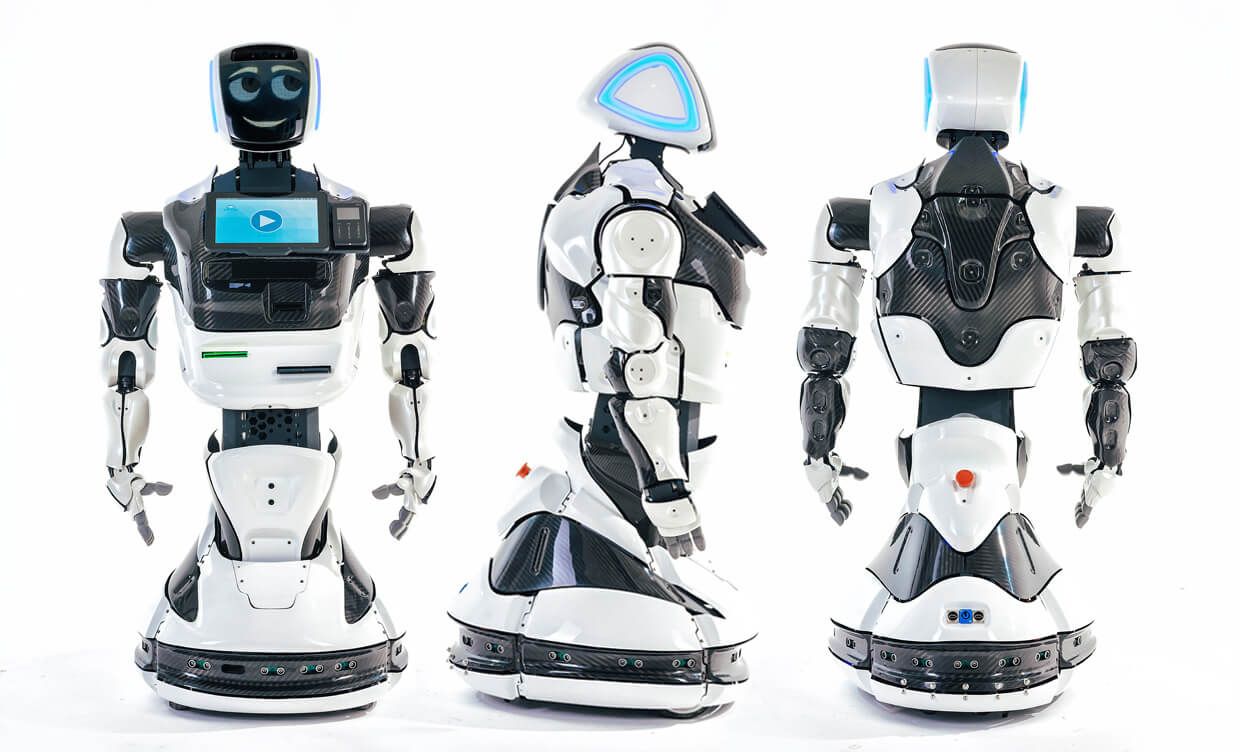
Promobot
Promobot V.4
Promobot V.4 is an autonomous humanoid service robot for customer-facing tasks in public and commercial spaces.
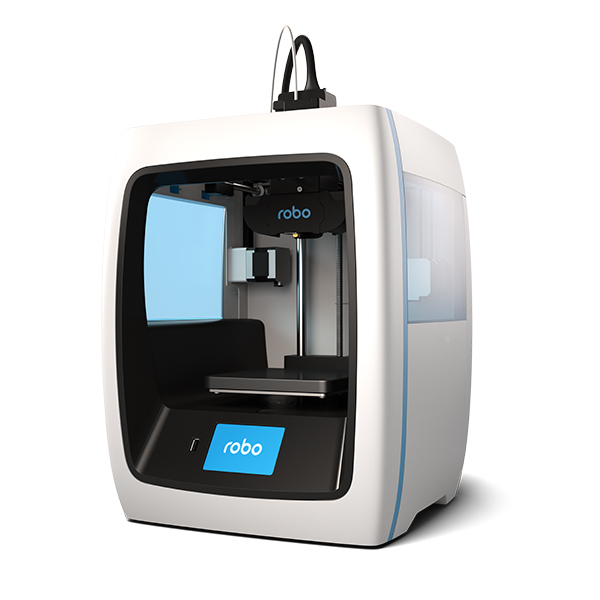
Promobot
Robo-C 2
Robo-C 2 is a human-shaped service robot by Promobot designed for interactive front-desk and exhibition scenarios.
Connected discovery
Related pages
Humanoid robots for hospitality & retail
Humanoid platforms targeting hotel, restaurant, and retail customer-facing deployments.
Buyer guides
Best Humanoid Robots for Hospitality & Retail
A buyer shortlist for hotels, restaurants, stores, venues, and customer-facing service teams.
Need help choosing the right robot?
Our team can help you evaluate humanoid robots for hospitality & retail - from requirements analysis to vendor shortlisting and pilot planning.
Frequently Asked Questions
Do customers actually interact with hospitality robots?+
How much does a hospitality robot cost to deploy?+
What happens when the robot cannot answer a question?+
Are restaurant service robots replacing waitstaff?+
How do you handle different languages and cultural norms?+
Sources and verification
Robot facts come from catalog/manufacturer records. Market, deployment, ROI, and suitability guidance is separated below so buyer-context claims can be checked independently.
Robot and manufacturer records
Official product or manufacturer pages used for catalog-backed robot facts.
Market and standards context
External context sources used for labor, standards, industry, or market framing.
Deployment context
Source pages used only as deployment context, not as guaranteed buyer outcomes.
Methodology notes
References that explain how to evaluate claims, safety, procurement, or comparability.