Introduction to Electrical Engineering and Computer Science I | Electrical Engineering and Computer Science
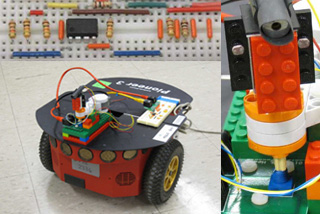
This course provides an integrated introduction to electrical engineering and computer science, taught using substantial laboratory experiments with mobile robots. Our primary goal is for you to learn to appreciate and use the fundamental design principles of modularity and abstraction in a variety
Before you start
- Basic Python familiarity
- Comfort with algebra or calculus basics
- Interest in robotics systems
About this guide
This course provides an integrated introduction to electrical engineering and computer science, taught using substantial laboratory experiments with mobile robots. Our primary goal is for you to learn to appreciate and use the fundamental design principles of modularity and abstraction in a variety of contexts from electrical engineering and computer science.
Our second goal is to show you that making mathematical models of real systems can help in the design and analysis of those systems. Finally, we have the more typical goals of teaching exciting and important basic material from electrical engineering and computer science, including modern software engineering, linear systems analysis, electronic circuits, and decision-making.
Course Format
This course has been designed for independent study. It includes all of the materials you will need to understand the concepts covered in this subject. The materials in this course include:
- Lecture videos from Spring 2011, taught by Prof. Dennis Freeman
- Recitation videos, developed for OCW Scholar by teaching assistant Kendra Pugh
- Course notes
- Software and design labs
- Homework assignments and additional exercises
- Nano-quizzes and exams with solutions
Content Development
Leslie Kaelbling
Jacob White
Harold Abelson
Dennis Freeman
Tomás Lozano-Pérez
Isaac Chuang
Common questions
What will I learn in Introduction to Electrical Engineering and Computer Science I | Electrical Engineering and Computer Science?
This course provides an integrated introduction to electrical engineering and computer science, taught using substantial laboratory experiments with mobile robots. Our primary goal is for you to learn to appreciate and use the fundamental design principles of modularity and abstr
Is Introduction to Electrical Engineering and Computer Science I | Electrical Engineering and Computer Science free?
HumanoidHub has source-backed evidence that this guide is free to access through MIT OpenCourseWare. Check the provider page for certificate or upgrade terms.
Do I need any prerequisites?
Recommended prep: Basic Python familiarity; Comfort with algebra or calculus basics; Interest in robotics systems.
How long does it take?
Self-paced (provider defined). Most learners complete this guide in self-directed sessions over a few weeks.
Does it offer a certificate?
This guide does not include a formal certificate. Focus is on the learning material itself.
Related guides

How to Get Into Robotics
In this course, you will learn about the dynamic world of robotics, which blends engineering, electronics, and computer science to create innovations that enhance our daily lives. You'll learn to envision a future where humanoid robots assist the elderly, autonomous cars ensure safety and medical

Introduction to Robotics | Mechanical Engineering
This course provides an overview of robot mechanisms, dynamics, and intelligent controls. Topics include planar and spatial kinematics, and motion planning; mechanism design for manipulators and mobile robots, multi-rigid-body dynamics, 3D graphic simulation; control design, actuators, and sensors; wireless networking, … [...] This course provides an overview of robot mechanisms, dynamics, and intelligent controls. Topics include planar and spatial kinematics, and motion planning; mechanism desi
Explore the world of artificial intelligence with online courses from MIT | Open Learning
# Explore the world of artificial intelligence with online courses from MIT | Open Learning Skip to main content Search Image 1: Open Learning ## Main navigation For Learners & Organizations For MIT Faculty About us For OL Employees News Events ## Main Nav Buttons Give S

How to AI (Almost) Anything | MIT Learn
<p>Artificial Intelligence (AI) holds great promise as a technology to enhance digital productivity, physical interactions, overall well-being, and the human experience. To enable the true impact of AI, these systems will need to be grounded in real-world data modalities, from language-only sy
Robot, know thyself: New vision-based system teaches machines to understand their bodies
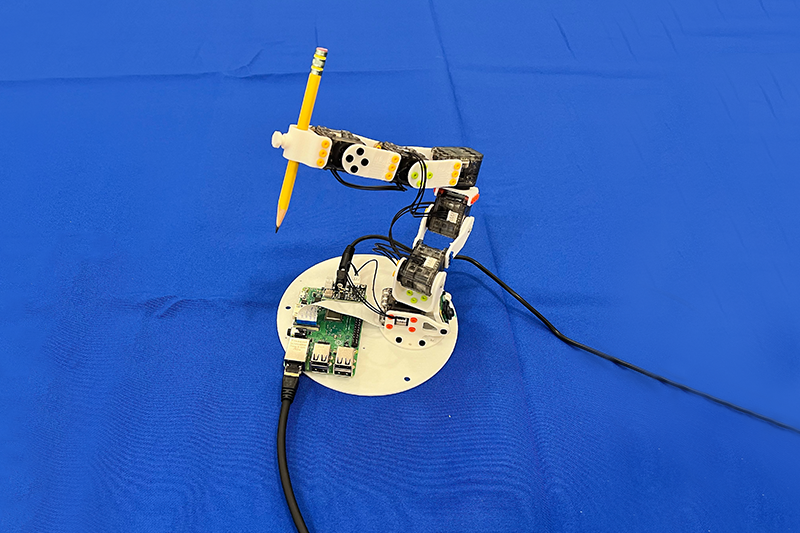
A vision-based control system called Neural Jacobian Fields enables soft and rigid robots to learn self-supervised motion control using only a monocular camera. The system, developed by MIT CSAIL researchers, combines 3D scene reconstruction with embodied representation and closed-loop control.
[PDF] Humanoid Robots: A New Kind of Tool
In 1993, we began a project aimed at con-structing a humanoid robot for use in explor-ing theories of human intelligence.1,2 In addi-tion to the relevant engineering, computer architecture, and real-time-control issues, we’ve had to address issues particular to inte-grated systems:What types of sens
Robots that use these skills
CL-1 Humanoid Robot
LimX Dynamics
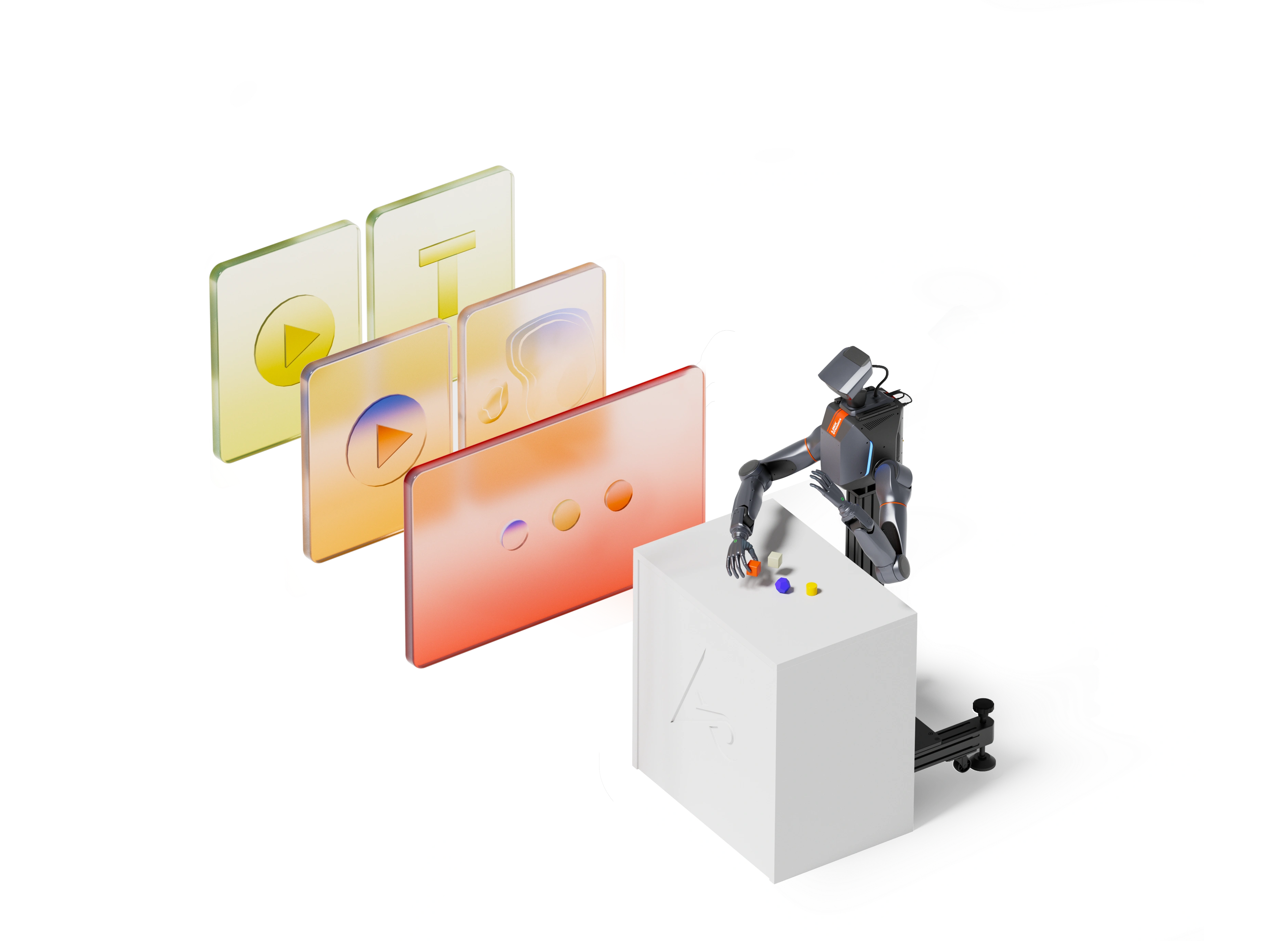
CL-1 is a bipedal humanoid robot platform by LimX Dynamics intended for R&D and real-world automation trials.
CyberOne
Xiaomi Robotics
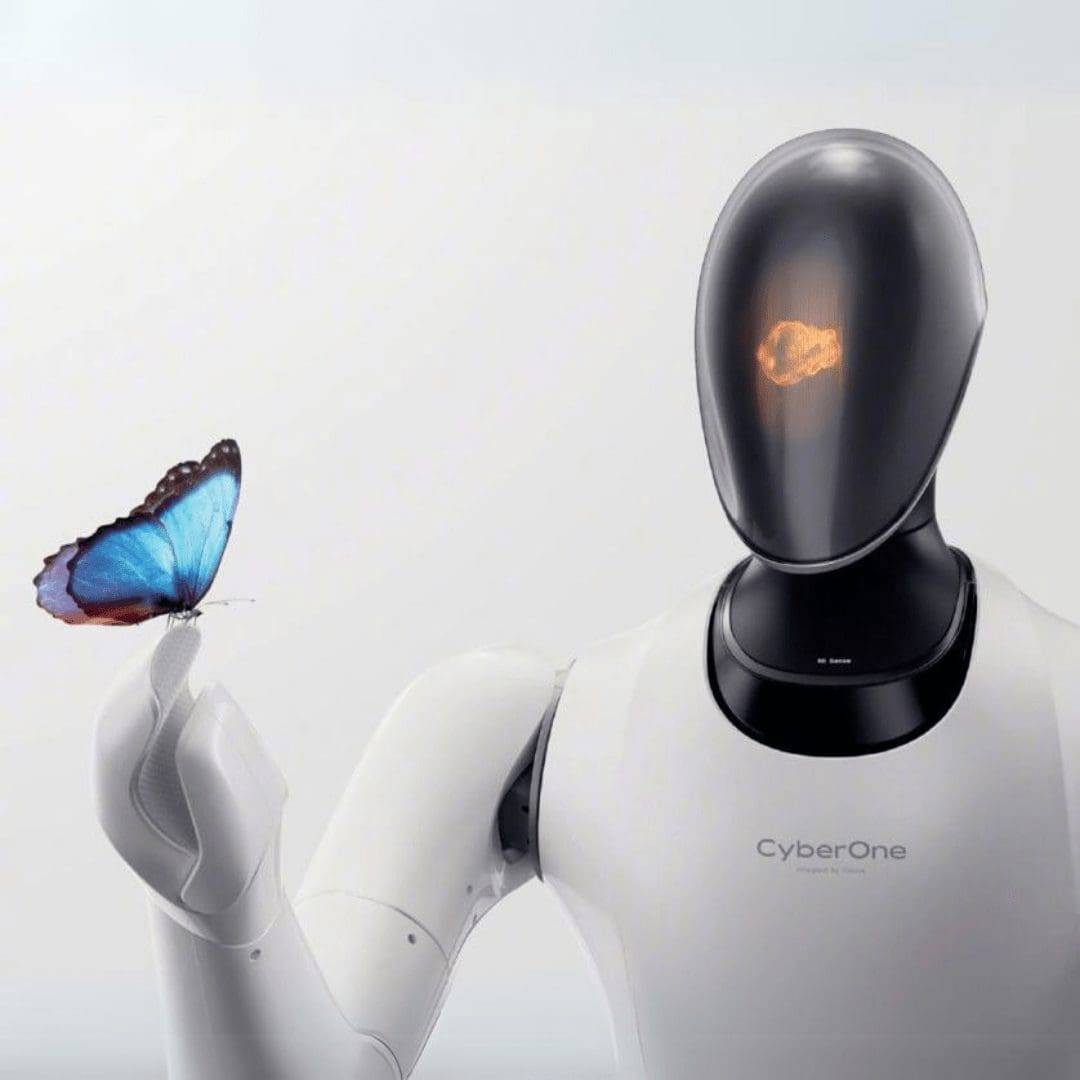
CyberOne is Xiaomi’s full-size biped humanoid robot prototype unveiled in 2022 for R&D and technology demonstrations.
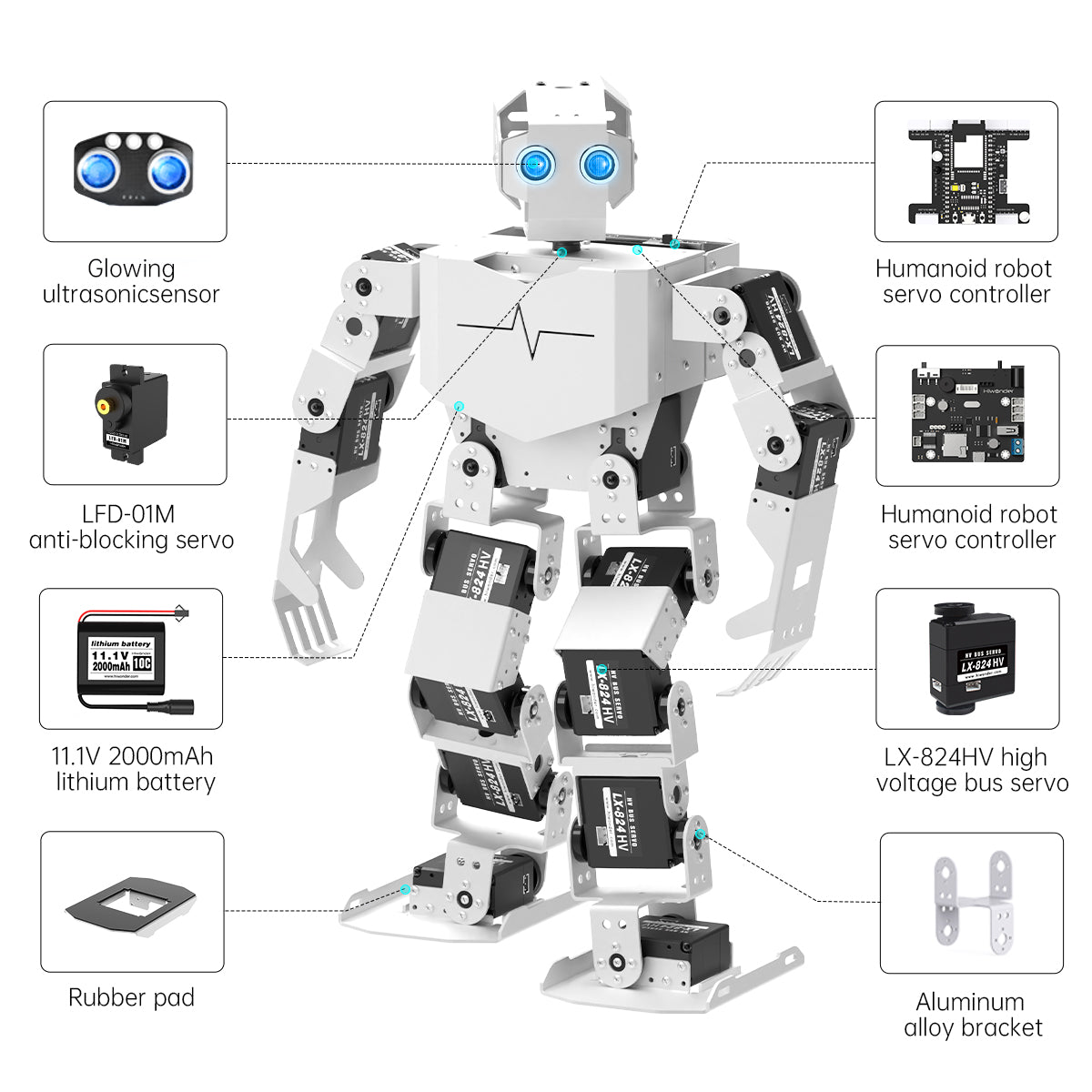
HiWonder TonyBot Humanoid Robot Kit
Hiwonder
Hiwonder TonyBot is a small humanoid (biped) robot kit for STEM learning with 16 DOF servo joints and app/program control.
Refer a learner and get early access to our paid pathways and 1:1 mentorship pilot.
Join referral listNew robots, industry moves, and funding in your weekly robotics briefing.
Unsubscribe anytime.