6.088/6.084 – Robotics Project Subject Information and ...
6.088/6.084 Learning Objectives: Students completing 6.088/6.084 will be able to: 1. Specify the requirements for an integrated hardware and software design and implementation of an autonomous system performing a specified task; 2. Critically evaluate choices of design and architectures; 3. Use kinem

Before you start
- Basic Python familiarity
- Comfort with algebra or calculus basics
- Interest in robotics systems
About this guide
6.088/6.084 Learning Objectives: Students completing 6.088/6.084 will be able to: 1. Specify the requirements for an integrated hardware and software design and implementation of an autonomous system performing a specified task; 2. Critically evaluate choices of design and architectures; 3. Use kinematics, planning, control theory, visual servoing, and networked control to implement controllers, estimators and planners that satisfy the requirements of specified task: 4. Operate the system for an [
Common questions
What will I learn in 6.088/6.084 – Robotics Project Subject Information and ...?
6.088/6.084 Learning Objectives: Students completing 6.088/6.084 will be able to: 1. Specify the requirements for an integrated hardware and software design and implementation of an autonomous system performing a specified task; 2. Critically evaluate choices of design and archite
Is 6.088/6.084 – Robotics Project Subject Information and ... free?
HumanoidHub has not verified public pricing for this guide. Open MIT OpenCourseWare for the current access terms before enrolling.
Do I need any prerequisites?
Recommended prep: Basic Python familiarity; Comfort with algebra or calculus basics; Interest in robotics systems.
How long does it take?
1 hours total. Most learners complete this guide in self-directed sessions over a few weeks.
Does it offer a certificate?
This guide does not include a formal certificate. Focus is on the learning material itself.
Related guides
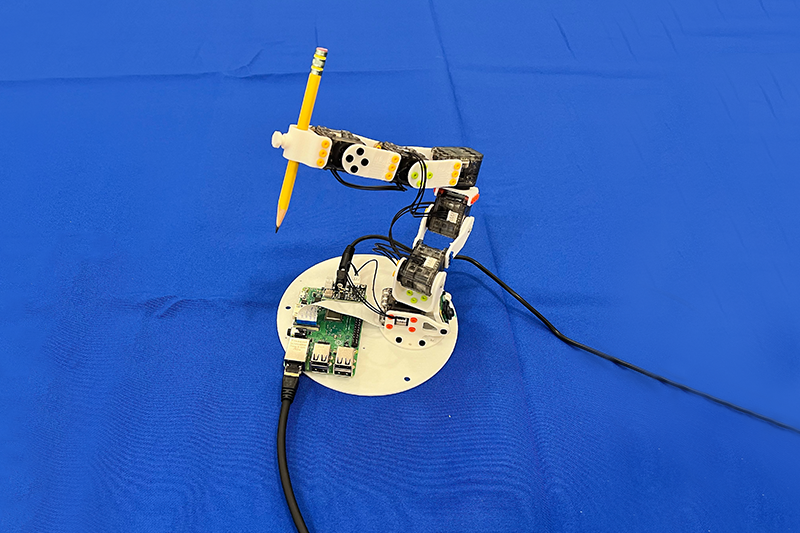
Robot, know thyself: New vision-based system teaches machines to understand their bodies
A vision-based control system called Neural Jacobian Fields enables soft and rigid robots to learn self-supervised motion control using only a monocular camera. The system, developed by MIT CSAIL researchers, combines 3D scene reconstruction with embodied representation and closed-loop control.
Precision home robots learn with real-to-sim-to-real - MIT EECS
- Biological and Medical Devices and Systems - Communications Systems - Computational Fabrication and Manufacturing - Computer Architecture - Educational Technology - Electronic, Magnetic, Optical and Quantum Materials and Devices - Energy - Graphics and Vision - Huma

Becoming a Robotics Engineer in 2024: A Step-by-Step Guide | Udacity
Dive deep into the field of robotics engineering, and learn the 5-step framework to landing a job in the industry, and some frequently asked questions you might have.

ROS For Beginners (ROS Noetic, Melodic, Kinetic)
Last updated 11/2025 ## What you'll learn Master ROS basics Create, build, run, and debug your ROS program Master ROS core functionalities Learn ROS best practices to make your application readable and scalable Create reusable code for any robot powered by ROS Write ROS code with both Python
[PDF] Humanoid Robots: A New Kind of Tool
In 1993, we began a project aimed at con-structing a humanoid robot for use in explor-ing theories of human intelligence.1,2 In addi-tion to the relevant engineering, computer architecture, and real-time-control issues, we’ve had to address issues particular to inte-grated systems:What types of sens

Basics of Robotics
You will learn what defines a robot, how different robot types are classified, and how they are used in industrial environments. The course covers robot kinematics, motion strategies (PTP, CP, CIRC), drive systems, end effectors, and measurement technologies. Special focus is placed on human-robot collaboration, programming principles, and practical safety in accordance with international standards such as the EU Machinery Directive and ISO 10218. Each module includes real-world examples, [...]
Robots that use these skills
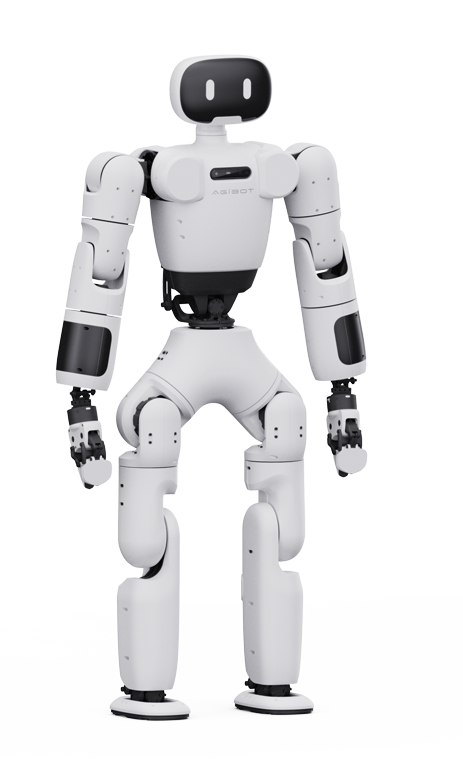
AgiBot X1
AgiBot
AgiBot X1 is a 130 cm, 33 kg open-source humanoid platform with 34 DOF for research and education.
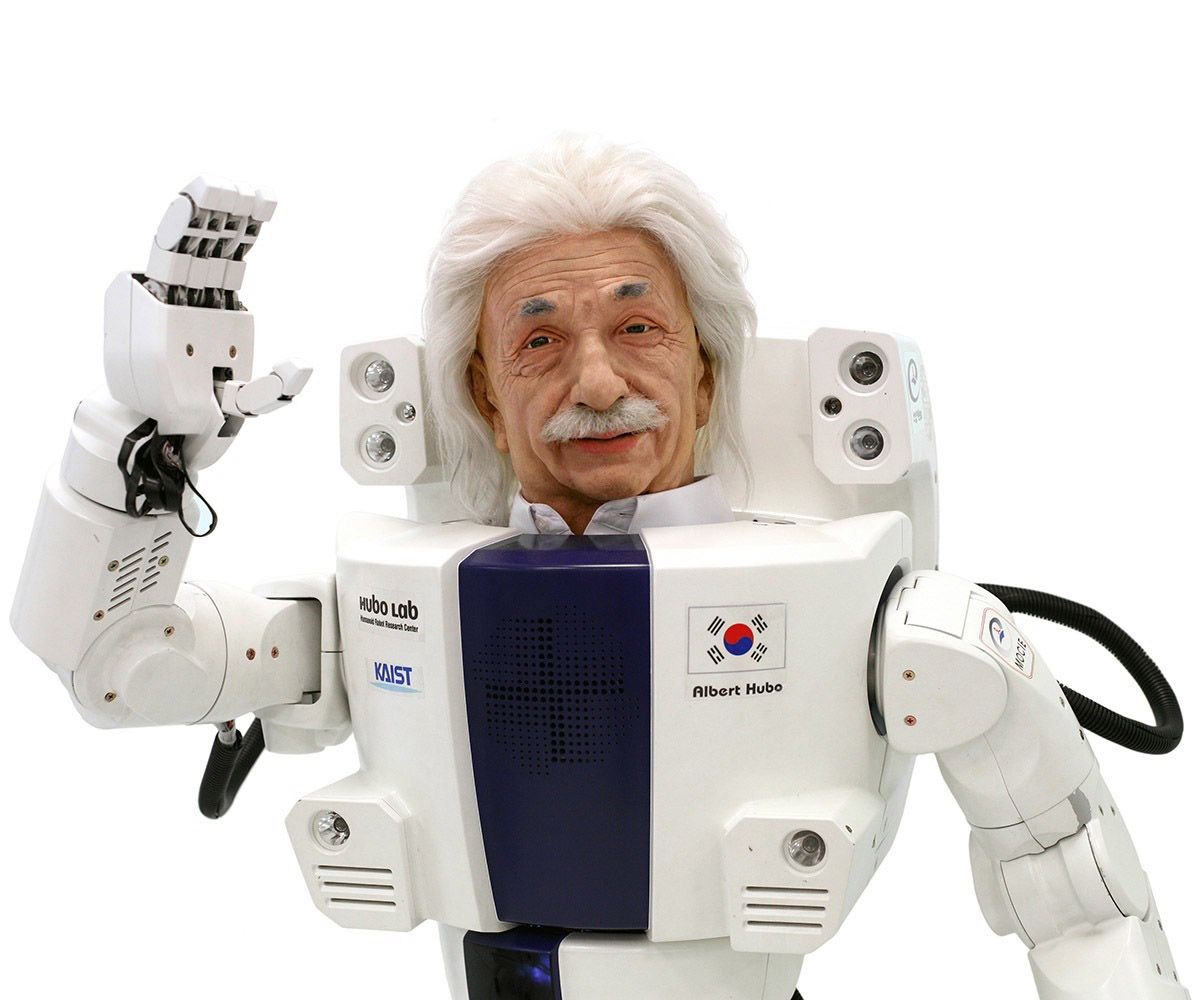
Albert Hubo
HUBO
Albert HUBO is a KAIST HUBO-platform humanoid with an expressive Einstein-like animatronic head for HRI demos and research.
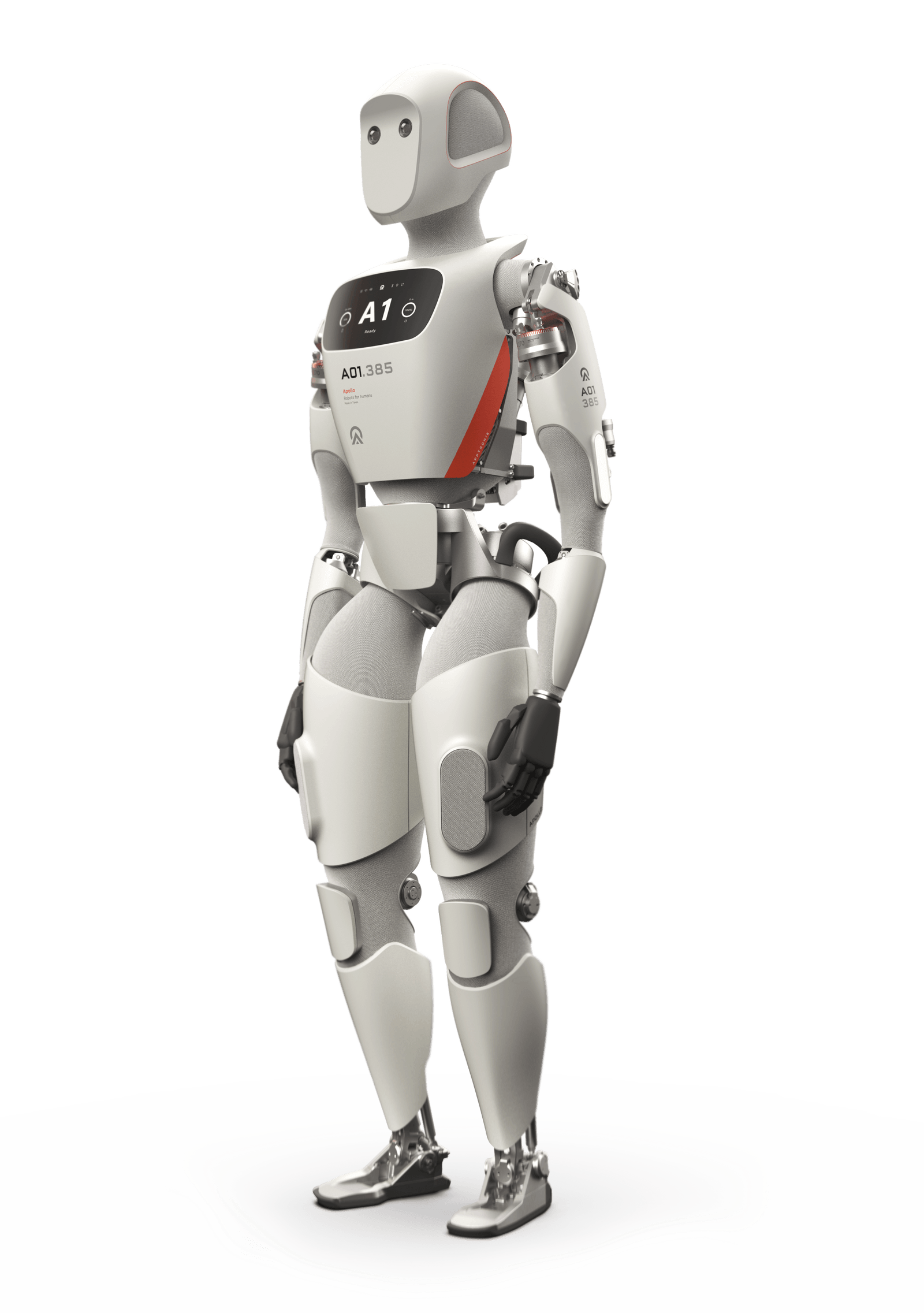
Apollo
Apptronik
Apollo is a bipedal humanoid robot from Apptronik aimed at automating tasks in industrial and commercial environments.
Refer a learner and get early access to our paid pathways and 1:1 mentorship pilot.
Join referral listNew robots, industry moves, and funding in your weekly robotics briefing.
Unsubscribe anytime.