MECHANISMS AND MOTION - ROBOTICS FOCUS - Udemy
This course is expected to help students in their basic understanding of mechanisms used in machines.

Before you start
- Basic Python familiarity
- Comfort with algebra or calculus basics
- Interest in robotics systems
About this guide
This course is expected to help students in their basic understanding of mechanisms used in machines.
Common questions
What will I learn in MECHANISMS AND MOTION - ROBOTICS FOCUS - Udemy?
This course is expected to help students in their basic understanding of mechanisms used in machines.
Is MECHANISMS AND MOTION - ROBOTICS FOCUS - Udemy free?
HumanoidHub has not verified public pricing for this guide. Open Udemy for the current access terms before enrolling.
Do I need any prerequisites?
Recommended prep: Basic Python familiarity; Comfort with algebra or calculus basics; Interest in robotics systems.
How long does it take?
Self-paced (provider defined). Most learners complete this guide in self-directed sessions over a few weeks.
Does it offer a certificate?
This guide does not include a formal certificate. Focus is on the learning material itself.
Related guides

Robotics & Mechatronics 1: Machine Theory & Production Lines
The purpose of this series is to be able to design machines, control them, Digital Twin them, and then actually build them! Who this course is for:.

How to Get Into Robotics
In this course, you will learn about the dynamic world of robotics, which blends engineering, electronics, and computer science to create innovations that enhance our daily lives. You'll learn to envision a future where humanoid robots assist the elderly, autonomous cars ensure safety and medical
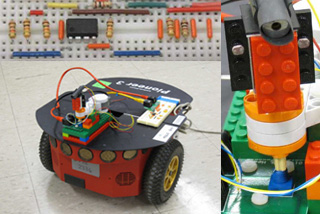
Introduction to Electrical Engineering and Computer Science I | Electrical Engineering and Computer Science
This course provides an integrated introduction to electrical engineering and computer science, taught using substantial laboratory experiments with mobile robots. Our primary goal is for you to learn to appreciate and use the fundamental design principles of modularity and abstraction in a variety
Introduction to Robotics - Learn through Development - Udemy
Build an innovative crawling robot from scratch to learn robotics basics: kinematics, sensors, electric drives, Arduino
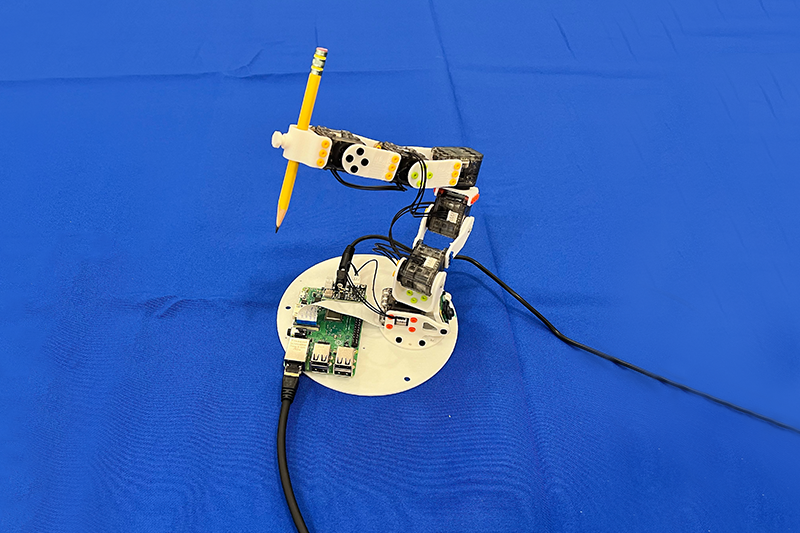
Robot, know thyself: New vision-based system teaches machines to understand their bodies
A vision-based control system called Neural Jacobian Fields enables soft and rigid robots to learn self-supervised motion control using only a monocular camera. The system, developed by MIT CSAIL researchers, combines 3D scene reconstruction with embodied representation and closed-loop control.

[PDF] Humanoid Robots: A New Kind of Tool
In 1993, we began a project aimed at con-structing a humanoid robot for use in explor-ing theories of human intelligence.1,2 In addi-tion to the relevant engineering, computer architecture, and real-time-control issues, we’ve had to address issues particular to inte-grated systems:What types of sens
Robots that use these skills
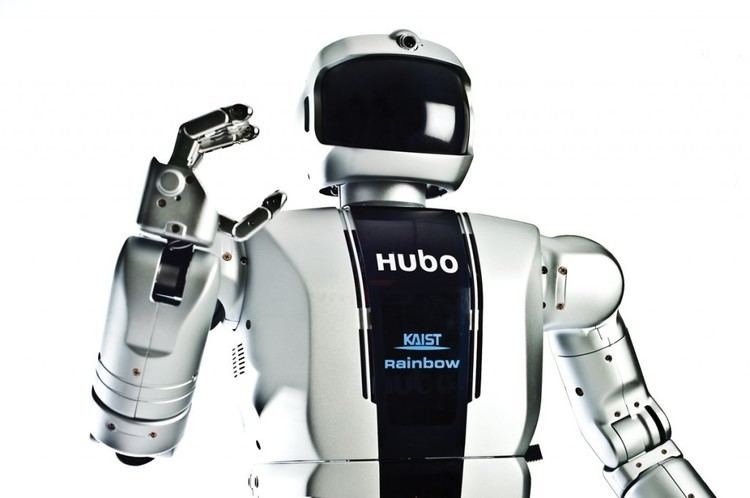
Hubo 2
HUBO
HUBO 2 is a KAIST Hubo Lab humanoid research robot focused on bipedal locomotion for walking and stair traversal studies.

Hubo (KHR-2 based platform)
HUBO
HUBO (KHR-2 based) is a full-size biped humanoid research platform developed at KAIST. It is reported at 41 DOF, ~125 cm tall, and ~55 kg.
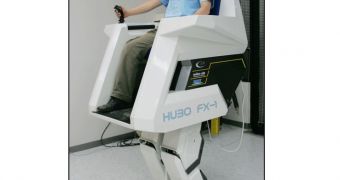
Hubo FX-1
HUBO
HUBO FX-1 is an early HUBO humanoid robot platform from KAIST used for biped locomotion and human-carrying mobility research.
Refer a learner and get early access to our paid pathways and 1:1 mentorship pilot.
Join referral listNew robots, industry moves, and funding in your weekly robotics briefing.
Unsubscribe anytime.